10 hr
Nikko Private Full-Day Tour from Tokyo
- Private experience
- Personal attention
- Premium amenities
- Free cancellation
Private Nikko Tour — Guided Entry to Toshogu & the Sannai Sanctuary
Cedar avenues open at dawn, gilded gates hold their silence.
Compare fares, pick the fit — all bookings are mobile-voucher and eligible for free cancellation where shown.
10 hr
10 hr
6 hr
A private nikko tour usually starts at the same ticket counter as everyone else, so knowing which of the four official passes to buy makes the morning smoother. This ticket-type guide compares Entry-only, Combo, Museum-only, and Art Museum options so you book the right one before joining any skip-the-line Nikko excursion.
| Entry-Only Shrine grounds only |
Top pick Combo Ticket Shrine + Museum |
Museum-Only Treasure Museum only | Art Museum Separate building | |
|---|---|---|---|---|
| What it includes | Shrine grounds, Yomeimon Gate, Sleeping Cat, pagoda | All Entry-Only areas plus Toshogu Museum exhibits | Toshogu Museum treasures only, no shrine grounds | Nikko Toshogu Art Museum paintings only |
| Price | 1,600 JPY | 2,400 JPY | 1,000 JPY | 800 JPY |
| Best for | Budget visitors wanting shrine highlights only | First-timers wanting the fuller Toshogu story | Museum-focused visitors skipping the grounds | Art enthusiasts adding a short extra stop |
| Time needed | 60–90 minutes | 90–120 minutes | 30–40 minutes | 20–30 minutes |
| Where to buy | Main gate ticket counter, cash only | Main gate ticket counter, cash only | Museum entrance near shrine | Art Museum entrance, separate building |
| Best for | First-timers on a tight budget | Most first-time visitors | Return visitors or history researchers | Add-on for art lovers with extra time |
| See tickets & prices |
Verdict: Most first-timers on any nikko toshogu tour tickets decision should choose the Combo Ticket, saving the Museum-only or Art Museum passes for a return trip or extra time.
Worth it for first-time visitors valuing craft
A private nikko tour builds on a modest ¥1,600 entry-only ticket, and that base fee is the easy part of the value math. For that gate price you get access to a compound holding eight National Treasures and dozens of Important Cultural Properties, from the gilded Yomeimon gate to the sleeping cat and cedar-lined approach. The Nikko Toshogu shrine tour premium sits in the guiding, not the admission: a good guide decodes the carvings, sequences the grounds, and handles logistics so ¥1,600 of access converts into real understanding. Skip-the-line Toshogu access and a fixed guide pay off most for first-timers, history-minded travelers, and anyone visiting once. Independent, budget, or repeat visitors fluent in the site can pocket the guiding fee and simply pay the gate. The craftsmanship justifies the entry easily; whether guided private nikko tour tours justify their added cost depends squarely on how much interpretation you want.
Bottom line: The ¥1,600 entry is worth it outright, and a private nikko tour tour earns its premium only if you want the carvings explained rather than merely seen.
Hand-picked experiences loved by thousands of travelers
10 hours (full day)
Free Cancellation
Explore UNESCO-listed Nikko's shrines, waterfalls & highland lakes on a luxury private day trip from Tokyo.
10 hours
Free Cancellation
Explore Nikko's shrines, alpine lake, and thundering waterfall on a fully customizable 10-hour private tour.
2.5 hours
Free Cancellation
Uncover the secrets of Nikko's UNESCO World Heritage shrine on a personalized 2.5-hour guided walk.
Purchase the 1,600 JPY entry-only ticket in cash and pass through the main torii approach
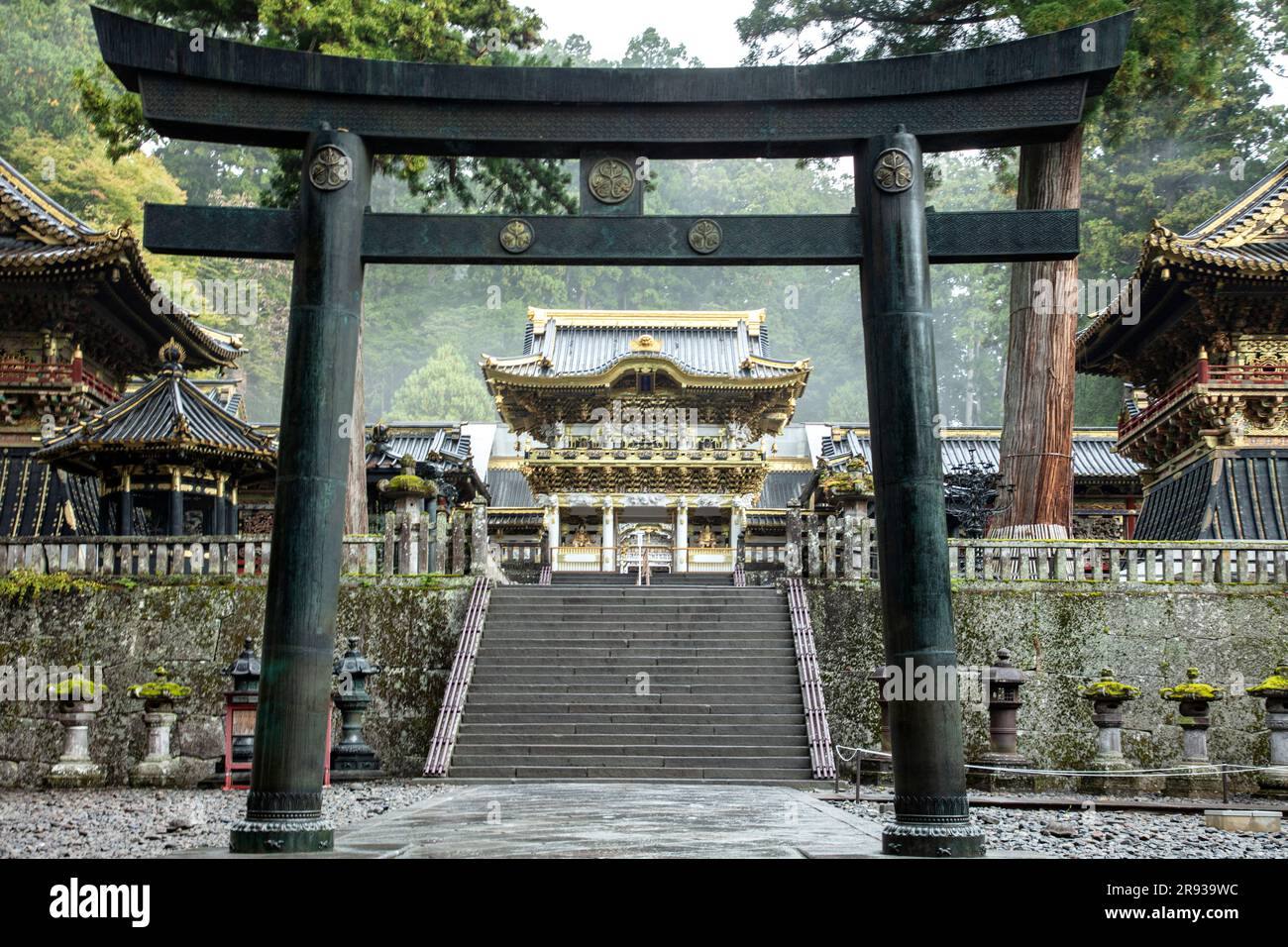
A two-story gate covered in more than 500 carvings of animals, flowers, and mythical figures, often called the "Gate of Sunlight." Craftsmen reportedly left one supporting pillar carved upside down to avoid the arrogance of claiming perfection.
A small wooden carving above a low passageway near the Inner Sanctuary, traditionally attributed to the sculptor Hidari Jingoro. Despite its tiny size, it draws long queues of visitors angling for a photo through the narrow corridor.
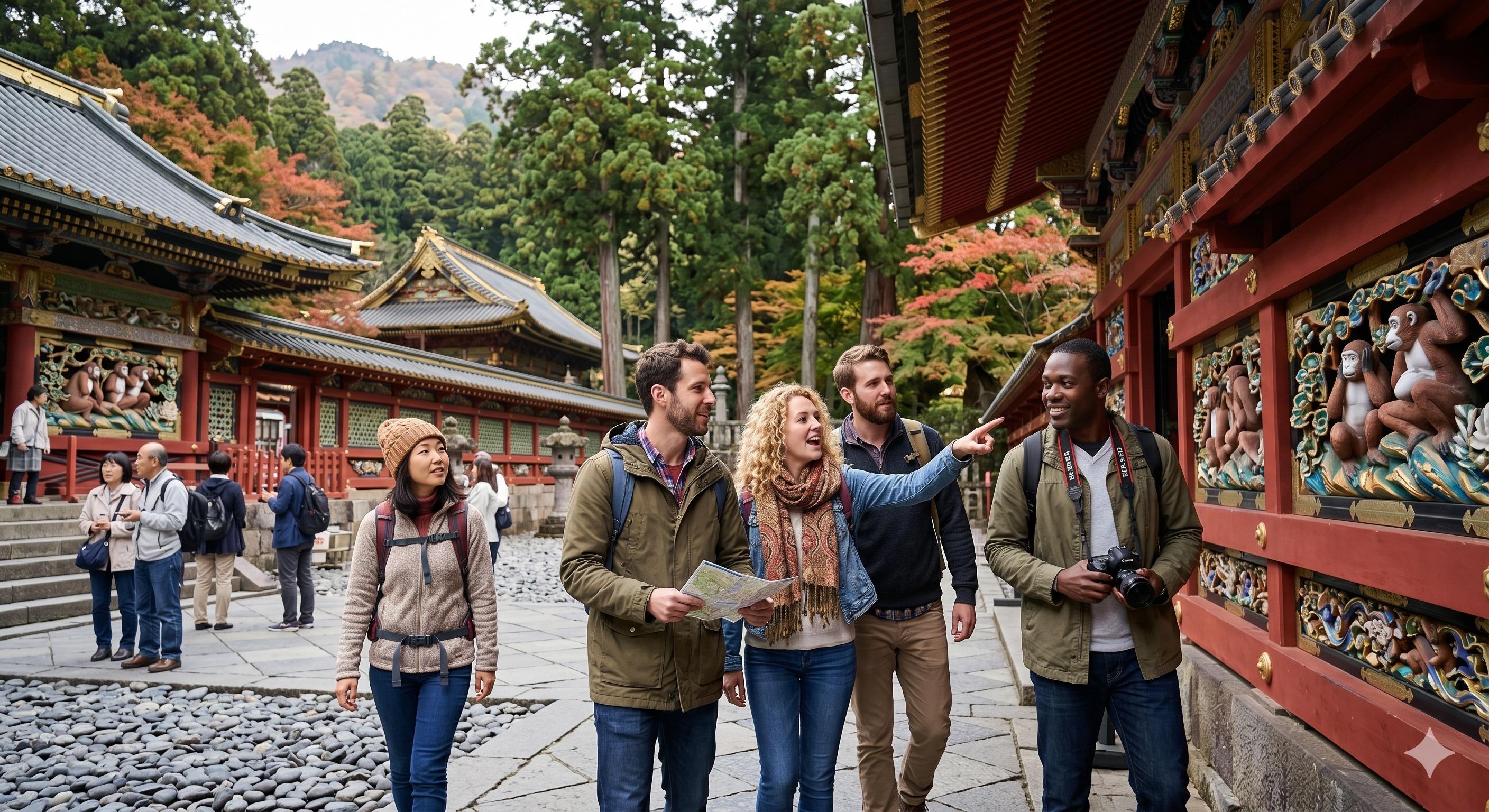
A carved panel on the Sacred Stable depicting monkeys covering their eyes, ears, and mouth, illustrating the proverb "see no evil, hear no evil, speak no evil." It is one of the earliest known depictions of this now globally recognized motif.
A 35-meter pagoda near the entrance rebuilt in 1818 after a fire destroyed the original 17th-century structure. Its central pillar hangs suspended rather than touching the ground, an early earthquake-damping technique.
A ceiling painting of a dragon inside Honji-do Hall that produces a distinctive echo when clappers are struck directly beneath its mouth. Guides demonstrate the effect, which disappears just a few steps away from that exact spot.
A quiet upper precinct reached by 207 stone steps, containing the bronze mausoleum of Tokugawa Ieyasu who died in 1616. The climb marks a deliberate shift from the gate's opulence to a stark, forested resting place.
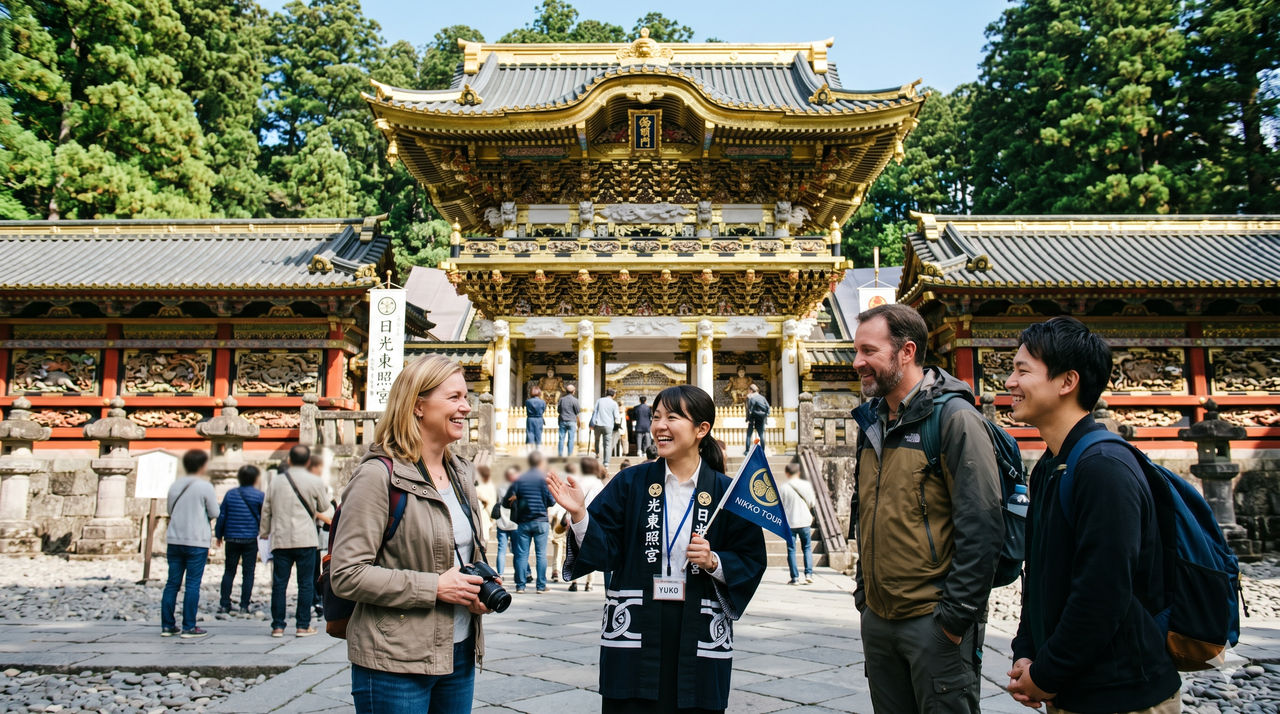
You arrive at the main gate between 08:00 and 09:30, when the tour buses are still climbing the switchbacks and the morning air off the Daiya River holds its chill. Your entry ticket runs 1,600 JPY for adults, and the gates stay open until 17:00, so the early start buys you empty stone steps. You cross beneath the granite torii and the cedars close overhead, the light dropping to a green half-dark. You climb toward the Yomeimon Gate first, before the queues form beneath it, and your guide points out the inverted column most people miss. You pause at the sacred stable to find the Three Wise Monkeys, then trace the path to the Nemuri-neko, the sleeping cat, before the two hundred-odd steps up to Ieyasu's tomb. You catch your breath at the top where the forest opens. By late morning you drift toward Rinnoji and Futarasan, the crowds now thick at Toshogu behind you. On a private nikko tour tours group of one or two, you set the pace — lingering where a carving rewards it, moving on where it doesn't. You end near the vermilion Shinkyo bridge, the river loud below, the whole sanctuary already warming under the summer sun.
All the details about your upcoming adventure in one place
A private nikko tour pairs you with a dedicated guide and driver to reach the ornate Toshogu Shrine, the cedar-lined avenues, and the Shinkyo Bridge at your own pace. These private nikko tour tours give you the flexibility to linger at the Kanmangafuchi Abyss or press on toward Lake Chuzenji and Kegon Falls. With a driver handling the winding Irohazaka road, you spend your energy on the UNESCO World Heritage sites rather than logistics.
The Yomeimon Gate at Toshogu carries more than five hundred carved figures, so dense with sages, dragons, and peonies that one of its columns was set upside down on purpose, lest perfection invite the envy of the gods. This deliberate flaw sits at the heart of Nikko's sacred quarter, a cedar-shadowed complex at 2301 Sannai that has drawn pilgrims since the seventeenth century. The shrine was raised to enshrine Tokugawa Ieyasu, the warlord who unified Japan and founded the shogunate that governed the country for more than two hundred and fifty years. His grandson Iemitsu expanded the mausoleum into the lacquered, gold-leafed spectacle standing today, employing thousands of craftsmen whose chisels and brushes turned a mountain hollow into a statement of dynastic power. The wider Sannai district — where Toshogu stands beside Rinnoji temple and Futarasan shrine — was inscribed as a UNESCO World Heritage Site in 1999, and remains one of the most complete surviving ensembles of Edo-period religious architecture. A private nikko tour threads these three sanctuaries into a single morning, reading the iconography that casual visitors walk past. Architecture here rewards slow looking. The Three Wise Monkeys, carved above the sacred stable, illustrate a Confucian maxim in eight panels tracing a life from infancy to parenthood. The Nemuri-neko, the sleeping cat attributed to the sculptor Hidari Jingoro, guards the passage toward Ieyasu's tomb, its calm read as a symbol of peace under Tokugawa rule. Vermilion, black lacquer, and gilt cover almost every surface, restored across long conservation campaigns that keep the pigments vivid against the surrounding forest of towering Japanese cedars, some planted nearly four centuries ago along the approach avenues. The setting matters as much as the buildings. Nikko sits in the mountains of Tochigi Prefecture, where mist gathers in the ravines and the Daiya River runs cold below the red Shinkyo bridge. The old proverb — never say 'splendid' until you have seen Nikko — speaks to how the natural theatre amplifies the human craft. Guided interpretation turns ornament into narrative: the carvings encode political messaging, Buddhist and Shinto syncretism, and Chinese cosmology layered across the gates. This is where the nikko toshogu shrine tour earns its length, and why many visitors choose a private nikko tour tour over a rushed group circuit. For travellers weighing skip-the-line nikko shrine access against a slower, contextual reading of Nikko's landmarks, the private nikko tour tickets buy time, quiet, and a guide who can name what the crowds only photograph.
Never say 'splendid' until you have seen Nikko.
Casual, weather-appropriate clothing is fine, but visitors should be prepared to remove shoes when entering certain shrine buildings along the approach to the Inner Sanctuary. Comfortable walking shoes are recommended for the stone steps and gravel paths connecting the gates.
Bags are hand-checked visually at the main gate ticket counter rather than run through metal detectors, and large luggage or suitcases should be left at hotel storage or station lockers before arrival. Staff may ask visitors to open bags briefly near the Yomeimon Gate during peak hours.
Personal photography is permitted throughout most of the outdoor shrine grounds, but photography and video are prohibited inside certain interior halls and near the Sleeping Cat carving and Inner Sanctuary. Tripods and selfie sticks are discouraged on the narrow stone-step sections near Yomeimon Gate.
Strollers can be used on the lower paved approach but must be folded or left behind before the steeper stone steps near the Inner Sanctuary. Children under a certain age are often admitted free or at a reduced rate at the ticket counter, though the standard 1,600 JPY adult entry-only fee applies to older children and adults.
The complex includes numerous stone staircases and uneven gravel paths between the main gate, Yomeimon Gate, and the Inner Sanctuary, which limits full wheelchair access to some upper sections. Level paved sections nearer the entrance and museum area are more manageable, and staff can advise on the least strenuous route on arrival.
Eating and drinking are not permitted inside the shrine buildings or immediately around the Yomeimon Gate and Inner Sanctuary. Bottled water is generally allowed on the outdoor approach paths, and food should be consumed only at designated rest areas outside the main shrine precinct.
Quiet mornings before tour buses arrive
Typically the lightest weekday
Moderate midweek crowds
Crowds build ahead of weekend
Heaviest day, tour groups peak
Hours
Daily 08:00–17:00, every day of the week
Public transport · About 2h from Tokyo plus a 30-minute walk or 10-minute bus · Around 1,400–2,700 JPY one-way depending on train type
Take the Tobu Nikko Line from Asakusa (Tokyo) to Tobu Nikko Station, then walk or take a short local bus toward the shrine precinct.
Car · About 2h from central Tokyo · Parking typically 500–1,000 JPY per visit
Drive via the Tohoku and Nikko-Utsunomiya expressways; several paid parking lots serve the shrine area near the approach road.
Taxi · About 10 minutes from the station · Roughly 1,000–1,500 JPY one-way
Taxis run directly from Tobu Nikko or JR Nikko Station to the shrine entrance along the temple approach road.
Walk · About 30 minutes · No cost
On foot from Tobu Nikko or JR Nikko Station along the temple approach street past Shinkyo Bridge.
Entry-only tickets (1,600 JPY per adult at the main gate) are pay-on-arrival and non-refundable once purchased at the counter. Advance online vouchers for a private Nikko tour are typically cancellable up to 24–48 hours before the visit date, subject to the specific operator's terms.
Weather · crowds · average price — dots go green to amber to red as each metric rises.
March through May brings mild temperatures and fresh greenery, though cherry blossom weekends draw larger weekend crowds. Weekday mornings remain the quietest option.
June through August is warm and humid with occasional heavy rain; arriving at 08:00–09:30 helps beat both the heat and midday tour groups.
Late October through November brings peak foliage crowds, especially on weekends, making early arrival essential for a private Nikko tour.
December through February is cold with occasional snow but offers the lightest crowds of the year and clear mountain views.
Arriving at 08:00 gives roughly 90 minutes before tour buses fill the approach path, making it the best window for a quieter private Nikko tour.
The ticket counter is cash-only, so bring yen in advance even if a private Nikko tour ticket was booked online.
The stone steps near Yomeimon Gate and the Inner Sanctuary can be uneven and slick after rain, so flat, grippy footwear helps.
Taiyuinbyo mausoleum is a short walk away and pairs well with Toshogu on the same morning for a fuller private Nikko tour itinerary.
Confirm current hours before travel since access to certain halls or the museum can shift around festivals and illuminations.
Store luggage at Tobu Nikko or JR Nikko Station lockers, since no bag storage exists on the shrine grounds.
The 1,600 JPY entry-only ticket covers the main grounds only; the Treasure Museum and Art Museum require separate tickets.
2301 Sannai, Nikko, Tochigi 321-1431, Japan
Ticket counter and torii entrance, common start point for a private Nikko tour
Get directionsNikko, Tochigi, Japan
Common pickup point about 10 minutes on foot from the shrine
Get directionsIn 1616, Tokugawa Ieyasu died at Sunpu Castle. His remains rested briefly at Kunozan before a modest shrine rose at Nikko in 1617. The court granted him a divine title, Tosho Daigongen, the Great Deity of the East Shining Light. A curious visitor on a private nikko tour still confronts that founding paradox: a warlord enshrined as a Buddhist avatar and a Shinto kami at once. The complex seen today is not the founder's work but his grandson's ambition. In 1636, Tokugawa Iemitsu ordered a total reconstruction. Records name a workforce of 127,000 craftsmen, drawn from across the country, who labored on the Yomeimon gate, the pagoda, and the carved friezes within roughly a year and a half. Iemitsu spent lavishly, and the result fused Buddhist and Shinto forms in a single sacred plan. The three wise monkeys and the sleeping cat trace to this campaign. Any Nikko Toshogu tour that skips these dates skips the point. The Shinto-Buddhist fusion held for two centuries. The Meiji separation edicts of 1868 forced a division, stripping Buddhist elements and reassigning halls. Neighboring Rinnoji temple absorbed what Toshogu shed. That rupture shaped the boundaries a modern skip-the-line Toshogu itinerary now crosses, where shrine and temple stand as legal neighbors rather than one body. Recognition came late. In December 1999, UNESCO inscribed the Shrines and Temples of Nikko as a World Heritage Site, citing 103 buildings and their mountain setting. Visitors weighing private nikko tour tickets are buying passage into that inscribed ensemble, not a single monument. A private nikko tour tour of the Nikko landmarks reveals how deification, dynastic pride, and Meiji reform layered upon one another. The best private nikko tour tours read the buildings as documents. Ieyasu's cedar-lined avenue, planted from 1625, still frames the approach. What survives at 2301 Sannai is a negotiated history in cedar and gold leaf.
Tokugawa Ieyasu died at Sunpu Castle in the fourth month.
A first modest shrine was consecrated at Nikko and Ieyasu deified as Tosho Daigongen.
Iemitsu launched a full reconstruction employing 127,000 craftsmen.
Meiji separation edicts split the Shinto and Buddhist elements apart.
UNESCO inscribed Nikko's shrines and temples, citing 103 buildings.
The gate's 500-plus gilded carvings catch direct, even light when you arrive during the 08:00-09:30 window on a private nikko tour, well before tour buses crowd the courtyard. Stand at the base of the stone steps facing the gate straight-on to frame its full three-tiered roofline, then move right for an angled shot of the white columns and dragon pillars.
The Shinkyusha, or Sacred Stable, sits just inside the paid precinct and holds all eight monkey panels, with the famous see-no-evil, hear-no-evil, speak-no-evil trio on the second panel. Shoot straight-on and slightly low to keep the frieze level, since the building is unpainted plain wood and photographs best without harsh side glare.
This small, National Treasure carving sits above the crawl-through beam of Sakashita-mon at the far end of the East Corridor (Higashi-kairo), marking the entrance toward Ieyasu's tomb stairway. The corridor is narrow, so a tight shot straight up at the transom, cat and peony blossoms centered, works better than trying to back away.
Just past the stone torii (Ishidorii), the crimson five-storied pagoda rises to the left of the main path, giving a strong establishing shot as you enter the shrine grounds. Frame it from the torii itself so both the stone gate and pagoda read in one composition.
This covered corridor runs along the Honden's east and west sides, its carved transoms and lattice work creating a repeating-pattern shot down the walkway. Photography is welcome here, unlike inside the Honden (Main Hall) itself, where interior photography is prohibited.
A private nikko tour with children works best as a treasure hunt: monkey carvings and a hidden sleeping cat keep young attention far more reliably than the shrine's ornate architecture alone. The 207-step climb to Okumiya is the one section that needs a real plan rather than improvisation.
Strollers cannot manage the gravel entrance path or the stone stairs, and are useless on the 207-step Okumiya climb; a soft carrier for under-4s and confident little legs for older kids works far better. Park the stroller near the entrance and switch to carrying once inside.
Save the Okumiya stairs for when kids still have energy, since the round trip runs about 30 minutes and the steps are steep, uneven single-cut stone. Treat it as optional: turning back partway is a normal choice, not a failure, and this Nikko shrine tour still delivers plenty without reaching the top.
Elementary-age kids handle the climb, though it's tiring even for a third-grader, while toddlers should be carried throughout. Kids around 6-10 tend to stay engaged longest, hunting for the eight monkey panels and the sleeping cat carving.
The Sacred Stable's monkey carvings and the small sleeping cat above a doorway consistently outlast the gold gates for keeping kids interested, since both work well as spot-the-detail games. Save the higher, quieter Okumiya climb for after these easier wins.
Benches sit near the entrance and under shaded trees for rest breaks, but there's nothing to eat on the shrine grounds itself, so plan snack stops before or after. Shoes come off twice inside, so pack footwear kids can manage without laces.
There is no dining inside Toshogu itself, so most people eat before or after their visit along the approach roads near Shinkyo Bridge, where a private nikko tour naturally winds down into lunch. Expect yuba (tofu skin) specialties and soba noodles rather than a food court.
Second-floor dining room facing Shinkyo Bridge; order the colorful yuba lunch plate, soy-milk ramen, or yuba sashimi. Tables fill fast around midday, so it suits an early lunch better than a rushed stop before joining private nikko tour tours in the afternoon.
Tucked between Toshogu and Futarasan Shrine, this is the closest sit-down option to the main gate. The yuba udon set is the draw, alongside soba, ramen, and a small souvenir counter; good for a fast bowl between shrine stops.
A calmer, reservation-friendly choice for a proper sit-down meal after finishing a private nikko tour of the shrine complex. The multi-course Yuba Hakozen box and shabu-shabu-style courses show off Nikko yuba in several textures; quieter than the riverside spots at peak hours.
Real experiences from real travelers
Our private nikko tour started early so we reached Toshogu before the coach crowds, and standing under the cryptomeria giants in the cool morning air was worth the wake-up call. The guide pointed out the sleeping cat and the three wise monkeys we would have walked straight past. Everything ran at our own pace.
We booked a Nikko shrines and lake tour and the timing up the Irohazaka curves was perfect, with fog lifting off the water just as we arrived. Kegon Falls was thundering after the spring melt. Having a car meant we skipped the bus transfers entirely.
The private nikko tour tickets covered entry to the main sites so we never queued at a single gate. Our driver was patient while we lingered at the Daiya River and the Shinkyo Bridge for photos in the late light. A calm, well-paced day out from Tokyo.
A full private nikko tour tour packs in a lot, and the drive from the city is around two hours each way, so know that going in. The Yomeimon gate carvings were the highlight for me, gilded and impossibly detailed. I would have liked a touch more free time at the pagoda.
Visiting in late winter meant patches of snow on the cedar path and hardly anyone around. The private guide adjusted our route when one road was icy, which a group bus never could. Standing before the Yomeimon gate in the quiet was the memory I kept.
What sold me on the private nikko tour was being able to swap the order around when rain came in over Lake Chuzenji. We ducked into Rinnoji first and saved the falls for the clearing sky. Our guide's history of the Tokugawa shogunate brought the shrines alive.
Pickup in Tokyo was on time and the whole private nikko tours experience felt effortless with a driver handling the winding roads. The vermilion of the Shinkyo Bridge against the grey river stayed with me. Bring warm layers, the mountain air is cold even when the city is mild.
The Nikko landmarks tour delivered on the big three, Toshogu, the bridge and Kegon Falls, all in one comfortable loop. February was bitter so the falls had icicles along its edges, which was its own reward. Lunch stop could have been a little longer.
Late autumn on our Nikko temples tour meant the Irohazaka valley was on fire with red and gold. The guide knew exactly which pullouts caught the best light for photos. Skip-the-line entry at Toshogu let us wander the inner precinct without the wait.
Having a private car meant my parents could rest between the shrine and the lake, something a fixed itinerary would not allow. The moss and stone of the old cedar avenue felt ancient and still. A relaxed, personal way to see Nikko in a single day.
Everything you need to know for your journey
Toshogu Shrine is open daily from 08:00 to 17:00, seven days a week, which applies whether visiting independently or on a private Nikko tour.
The standard entry-only ticket costs 1,600 JPY per adult, purchased in cash at the main gate ticket counter.
Full wheelchair access is limited by stone steps and gravel paths between the main gate and Inner Sanctuary, though lower paved sections are more manageable and staff can suggest the least strenuous route.
Prohibited items include drones, tripods in restricted zones, flash photography inside halls, large suitcases, and open flames, among others listed in the visitor guidelines.
Photography is permitted across most outdoor areas, but it is restricted inside certain interior halls and near the Sleeping Cat carving and Inner Sanctuary.
Arriving between 08:00 and 09:30 on a weekday helps beat tour bus groups and midday heat, making early morning the best booking window for a private Nikko tour.
There is no strict dress code, but visitors should wear comfortable shoes suited to stone steps and be ready to remove footwear at certain shrine buildings.
Eating and drinking are not allowed inside shrine buildings or near the Inner Sanctuary, though bottled water is generally fine on the outdoor approach paths.
From Tokyo, the Tobu Nikko Line reaches Tobu Nikko Station in about two hours, followed by a 10-minute bus ride or 30-minute walk to the shrine.
Yes, strollers can be used on the lower paved approach, though they must be left behind before the steeper stone steps, and reduced admission often applies to children.
Advance vouchers for a private Nikko tour are typically cancellable up to 24-48 hours before the visit, while same-day cash tickets purchased at the gate are non-refundable.
Rinno-ji Temple, Futarasan Shrine, and Taiyuinbyo mausoleum are all within a short walk and commonly combined with a visit to Toshogu Shrine.
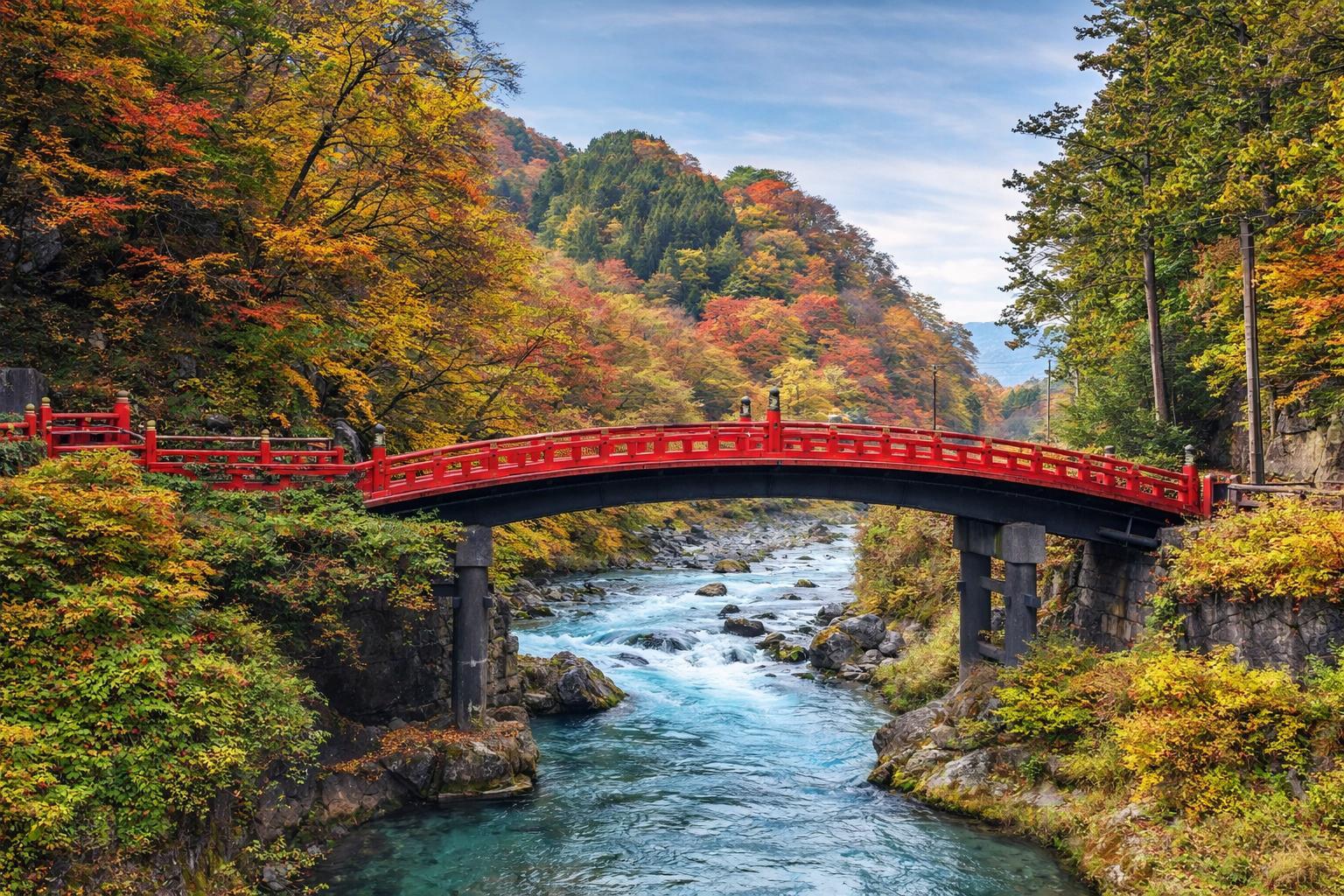
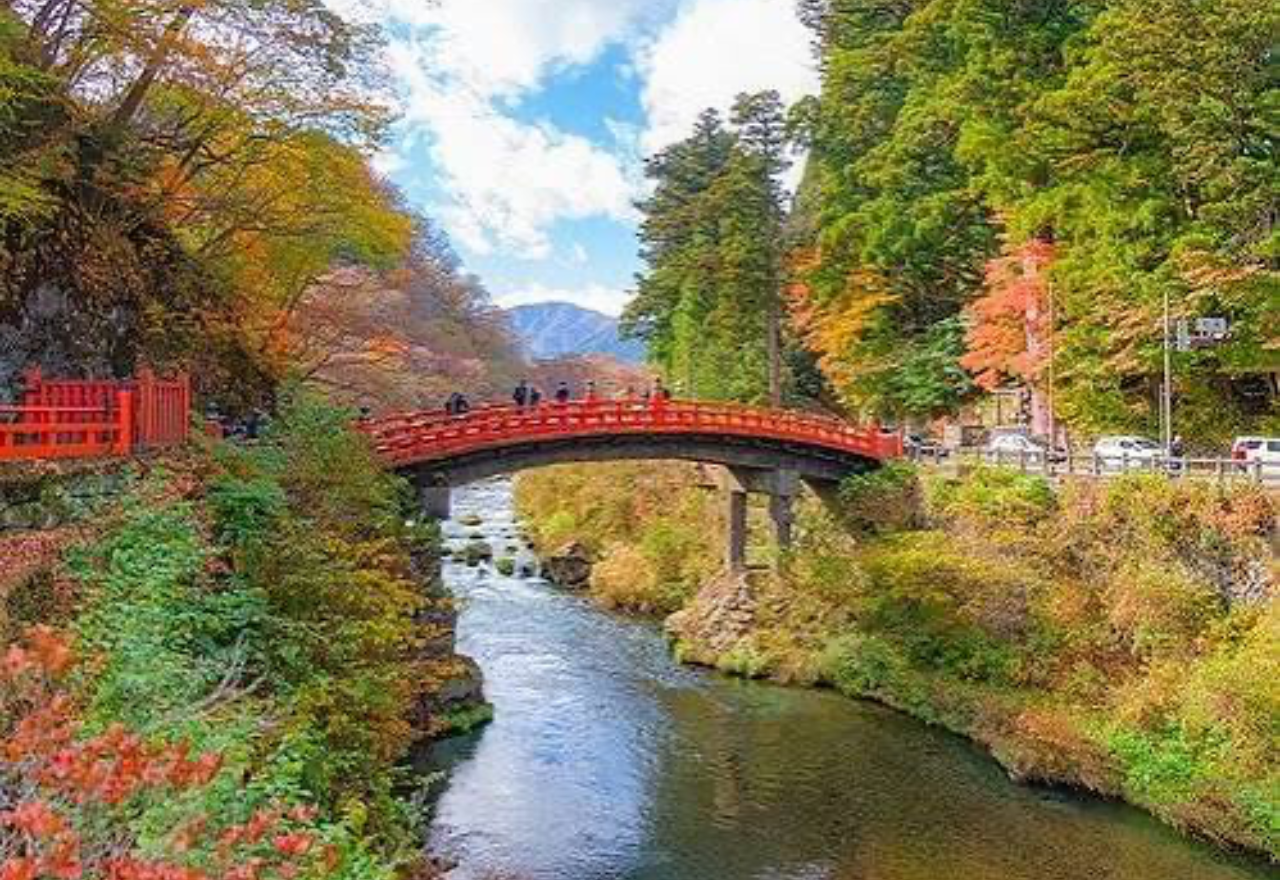
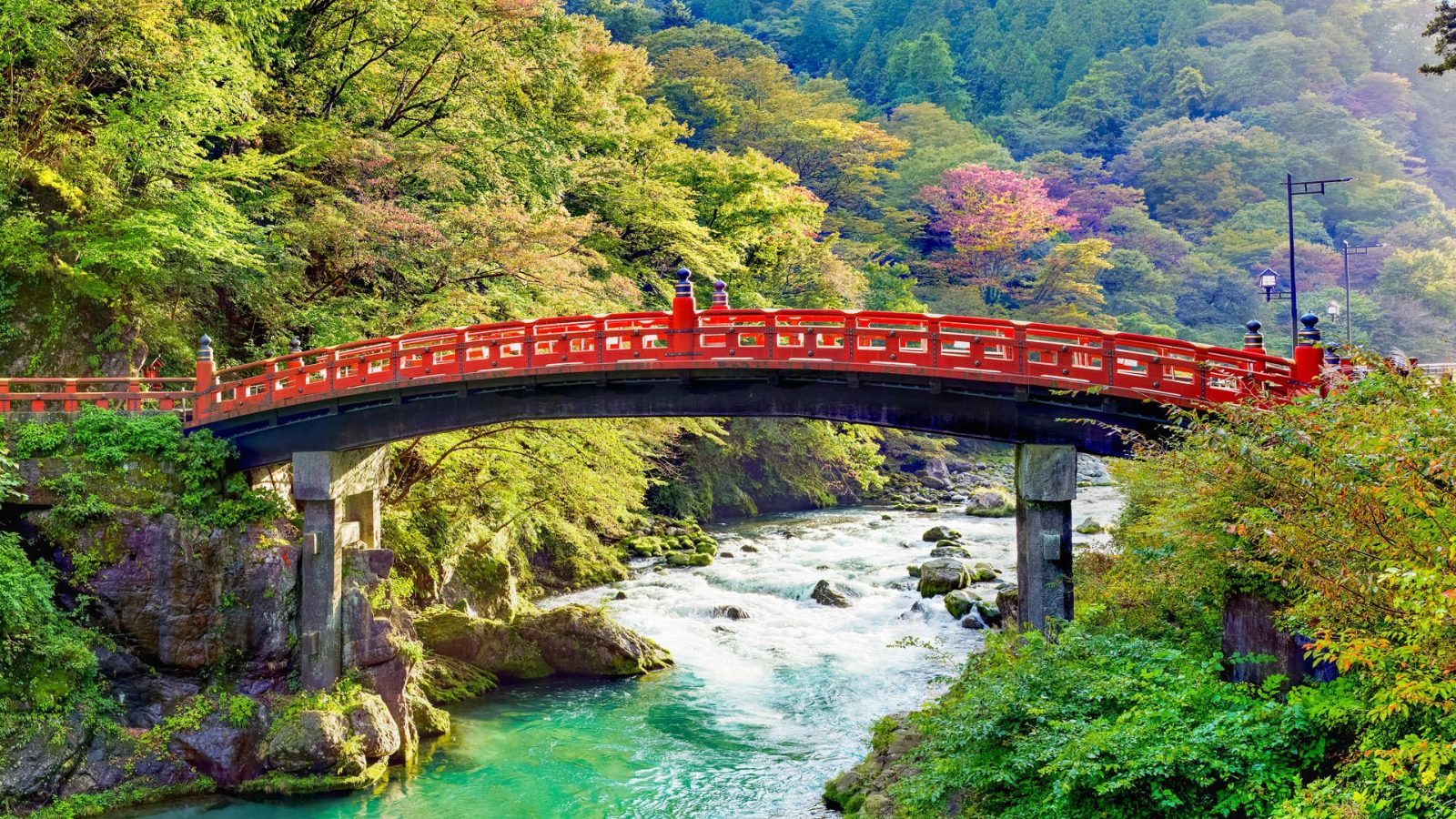
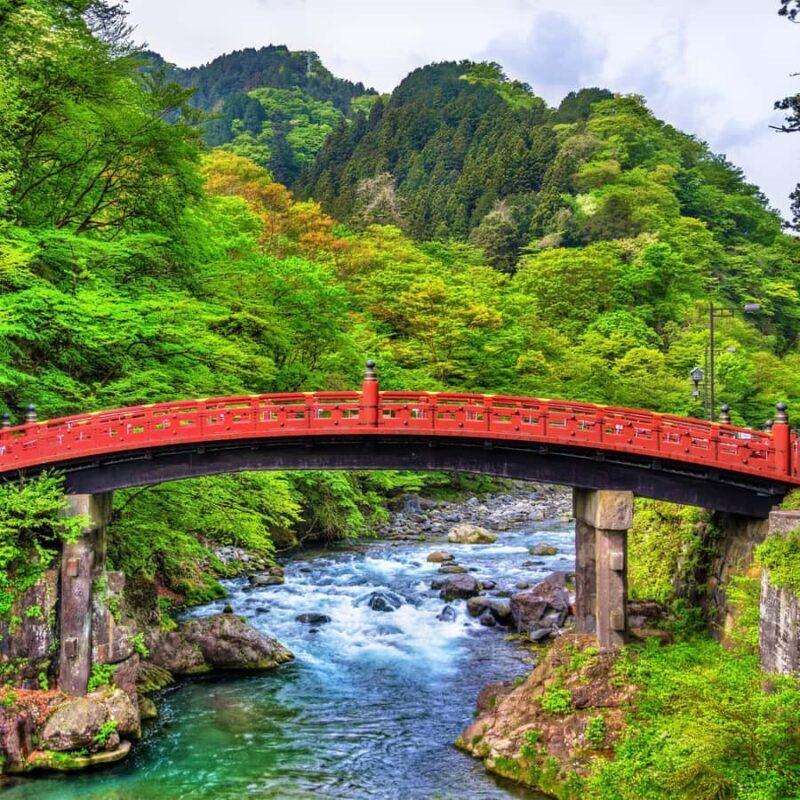
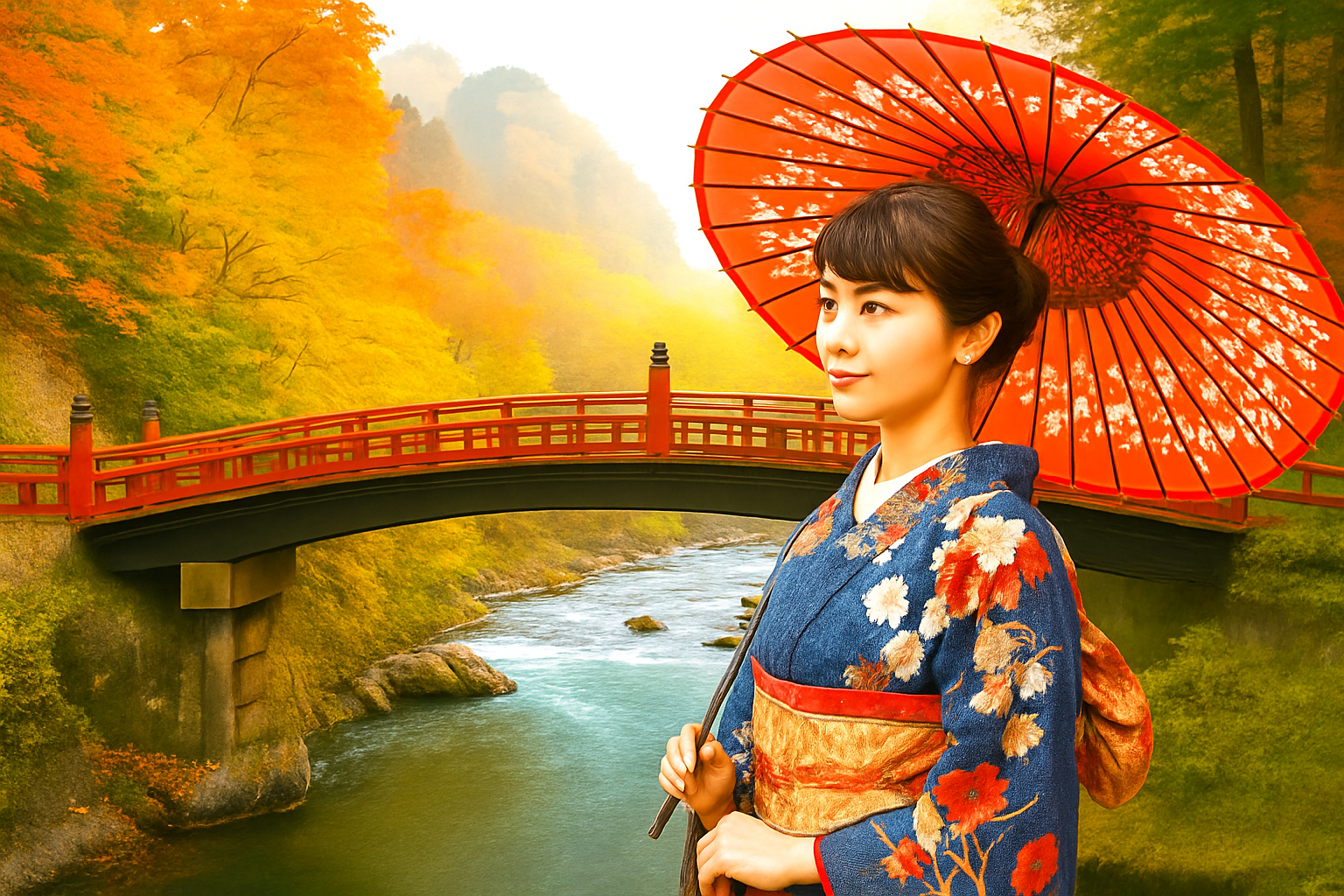
A vermillion sacred bridge marking the traditional entrance to Nikko's shrine and temple area, spanning the Daiya River.
A Tendai Buddhist temple complex adjacent to Toshogu, part of the same UNESCO World Heritage listing.
An older Shinto shrine dedicated to the mountain deities of Nikko, predating Toshogu's construction.
The mausoleum of shogun Tokugawa Iemitsu, built in a more subdued style than Toshogu.
A modern museum displaying artifacts and history related to Tokugawa Ieyasu and the shrine's construction.
One of Japan's oldest Western-style hotels, operating since the late 1800s near Shinkyo Bridge.
A cluster of ryokan and guesthouses along the approach road near the shrine precinct.
Hotels and inns clustered around Tobu Nikko and JR Nikko stations with easy rail access.
Join thousands of happy travelers who have discovered this incredible experience
Book Your Experience Now