10 hr 30 min
Nikko Day Trip: Toshogu Shrine, Kegon Falls & Lake Chuzenji from Tokyo
- Expert local guide
- Small group
- Skip-the-line access
- Free cancellation
Nikko Day Trip From Tokyo — Toshogu Shrine Entry & Guided Routes
Cedar avenues climb toward gold, mountain light through carved gates.
Compare fares, pick the fit — all bookings are mobile-voucher and eligible for free cancellation where shown.
10 hr 30 min
10 hr 30 min
10 hr
Planning a nikko day trip from tokyo means choosing between entry-only admission and the Treasure Museum combo before you reach the gate. Both unlock Okumiya and Ieyasu's tomb, but only the combo or a separate museum pass gets you inside the Treasure Museum itself.
| Entry Only (Okumiya + Tomb Access) |
Top pick Combo Ticket (Shrine + Treasure Museum) |
Museum Only (Standalone Ticket) | |
|---|---|---|---|
| What's included | Shrine grounds, Yomeimon Gate, Okumiya, Ieyasu's tomb | Everything in Entry Only plus Treasure Museum | Treasure Museum building only, no shrine grounds |
| Museum access | — | ||
| Typical add-on cost | +800 JPY for museum later | None, bundled at purchase | Skip if pairing with entry-only same day |
| Best for | First-timers focused on architecture and the tomb climb | Visitors wanting Tokugawa artifacts too | Return visitors revisiting only the museum |
| See tickets & prices |
Verdict: Most first-timers on a Nikko day trip from Tokyo should book the Combo Ticket, since it adds full museum access for a modest premium over entry-only admission.
Worth it for shrine and history lovers
A nikko day trip from tokyo asks 1,600 JPY for Toshogu Shrine entry, and the value math holds up. That fee buys entry to a compound dense with National Treasure carvings, the gilded Yomeimon Gate, and the 207-step climb to Ieyasu's tomb — a payoff few Nikko landmarks match for the money. Compared to the transport cost of reaching Tochigi, the entrance itself is minor. Nikko day trip from tokyo tours often bundle guides who decode the carvings, though independent visitors do fine with a leaflet. The catch: arrive by 08:00–09:30, before tour bus groups turn the grounds into a queue. This pays off for anyone who values craftsmanship and mausoleum-scale Edo design; it underwhelms travelers who prefer nature over ornamentation. For a nikko day trip from tokyo tour weighing culture against cost, the carving density alone justifies the ticket.
Bottom line: For culture-minded travelers, nikko day trip from tokyo tickets earn their keep on carvings alone — nature purists should look elsewhere.
Hand-picked experiences loved by thousands of travelers
10–11 hours
Free Cancellation
Explore Nikko's UNESCO shrines, alpine lakes, and cascading waterfalls on a luxury private day trip from Tokyo.
10 hours (including travel time from Tokyo)
Free Cancellation
Explore UNESCO shrines, volcanic lakes & thundering waterfalls on a private 10-hour escape from Tokyo.
10 hours
Free Cancellation
Explore Nikko's UNESCO shrines, cascading falls & mountain lake on a fully private, customizable day trip.
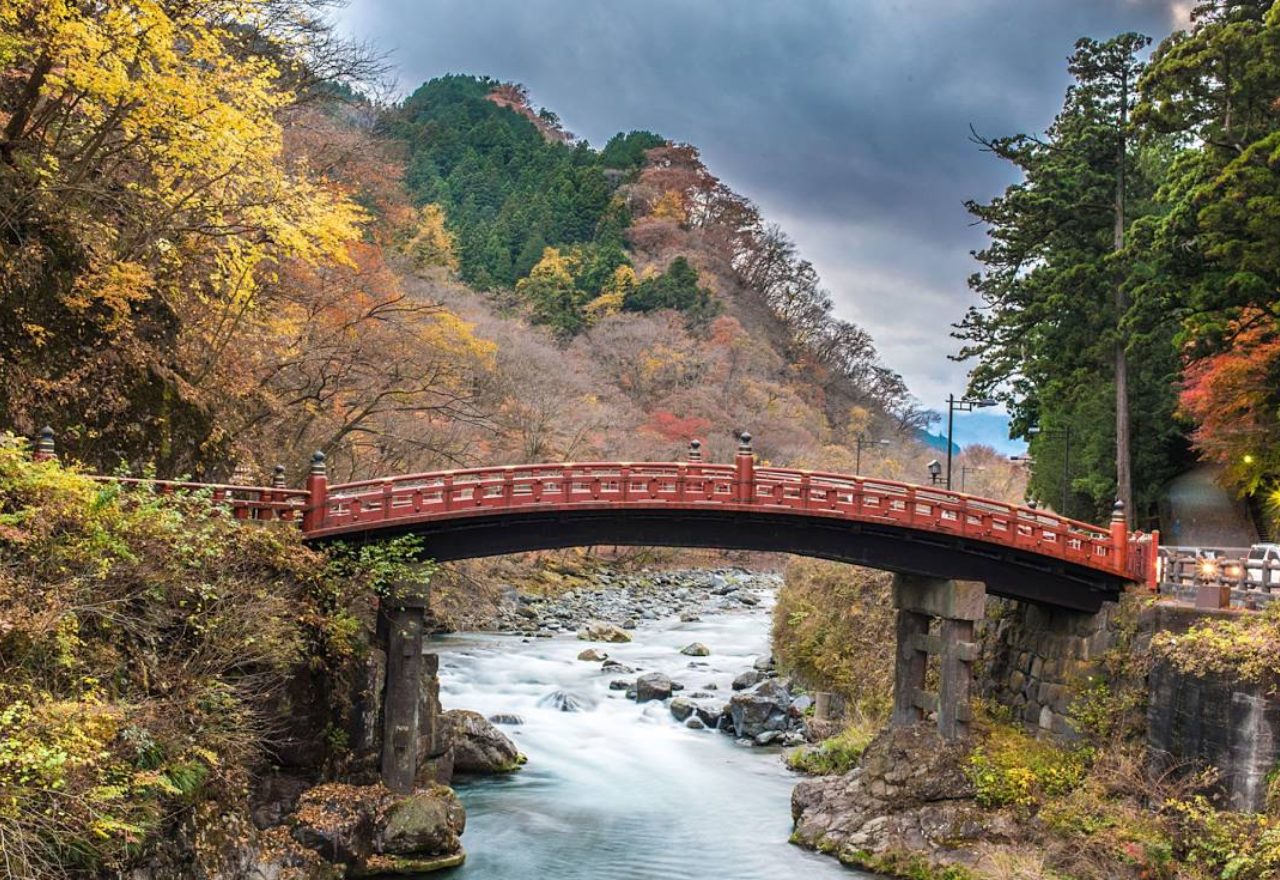
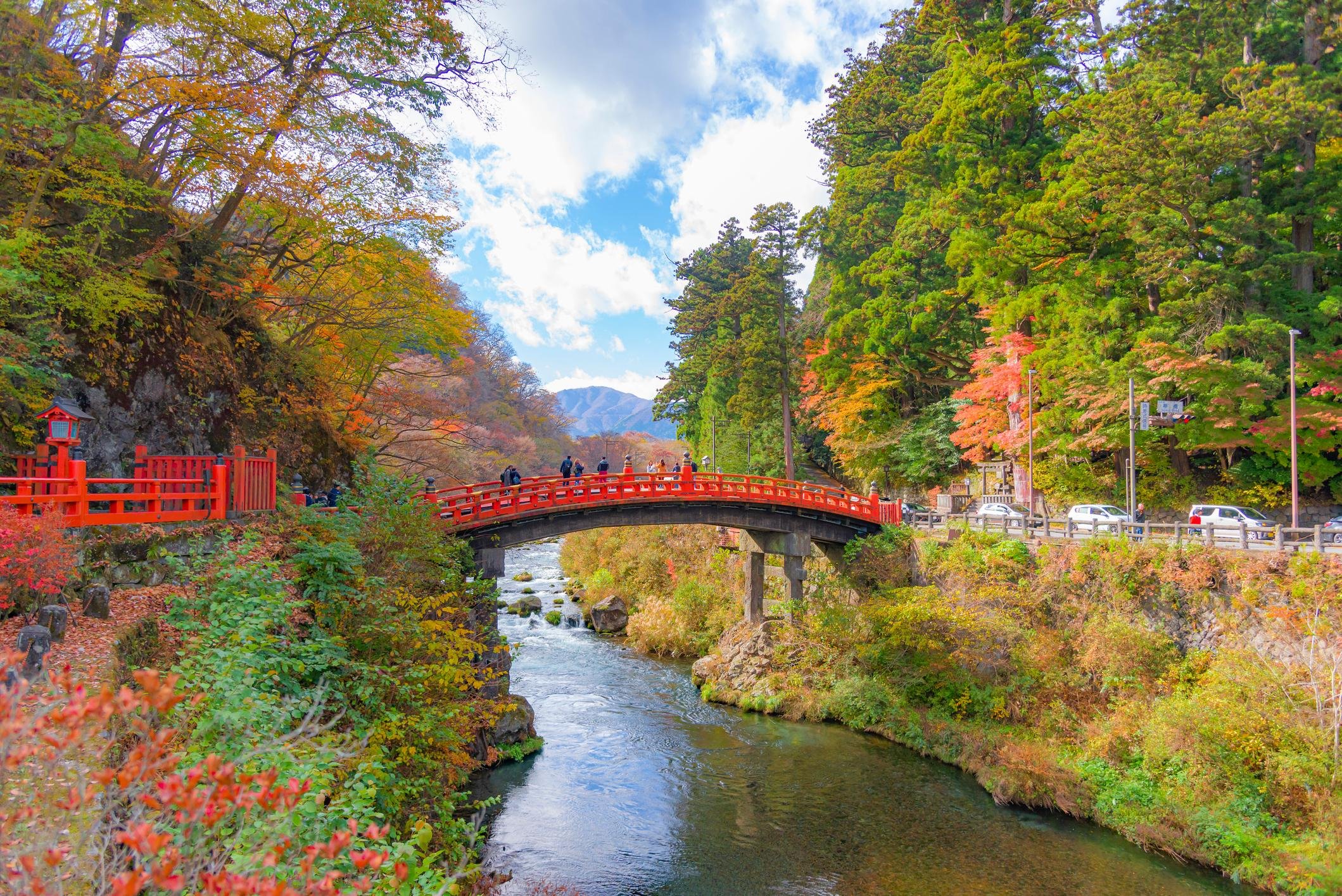
Start at the sacred red-lacquered bridge near the shrine entrance before heading uphill toward the main approach
Pass beneath the stone torii gate and five-story pagoda that mark the formal entrance to the Toshogu Shrine grounds
See the carved Three Wise Monkeys panel on the Shinkyusha stable building, one of the shrine's most photographed details
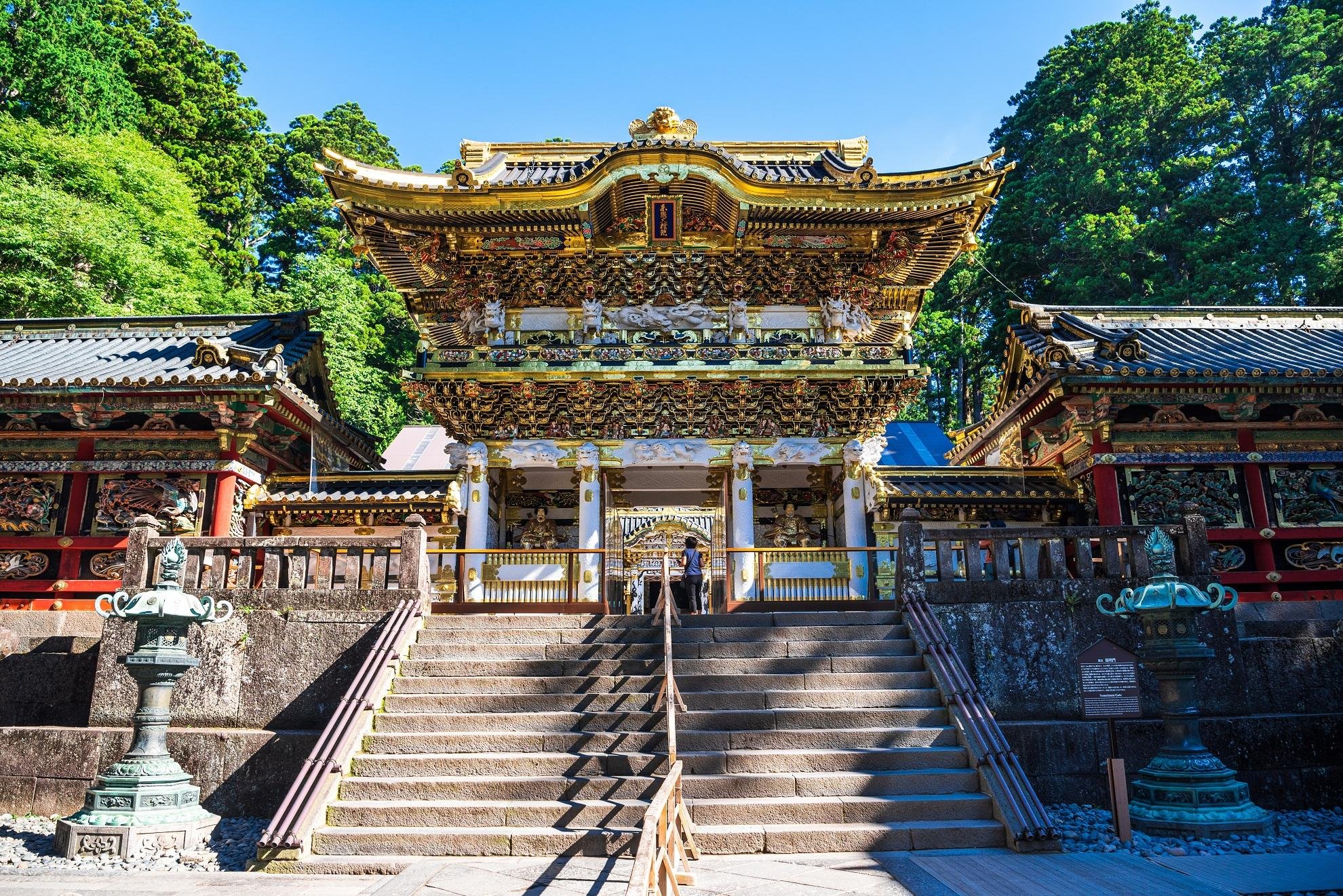
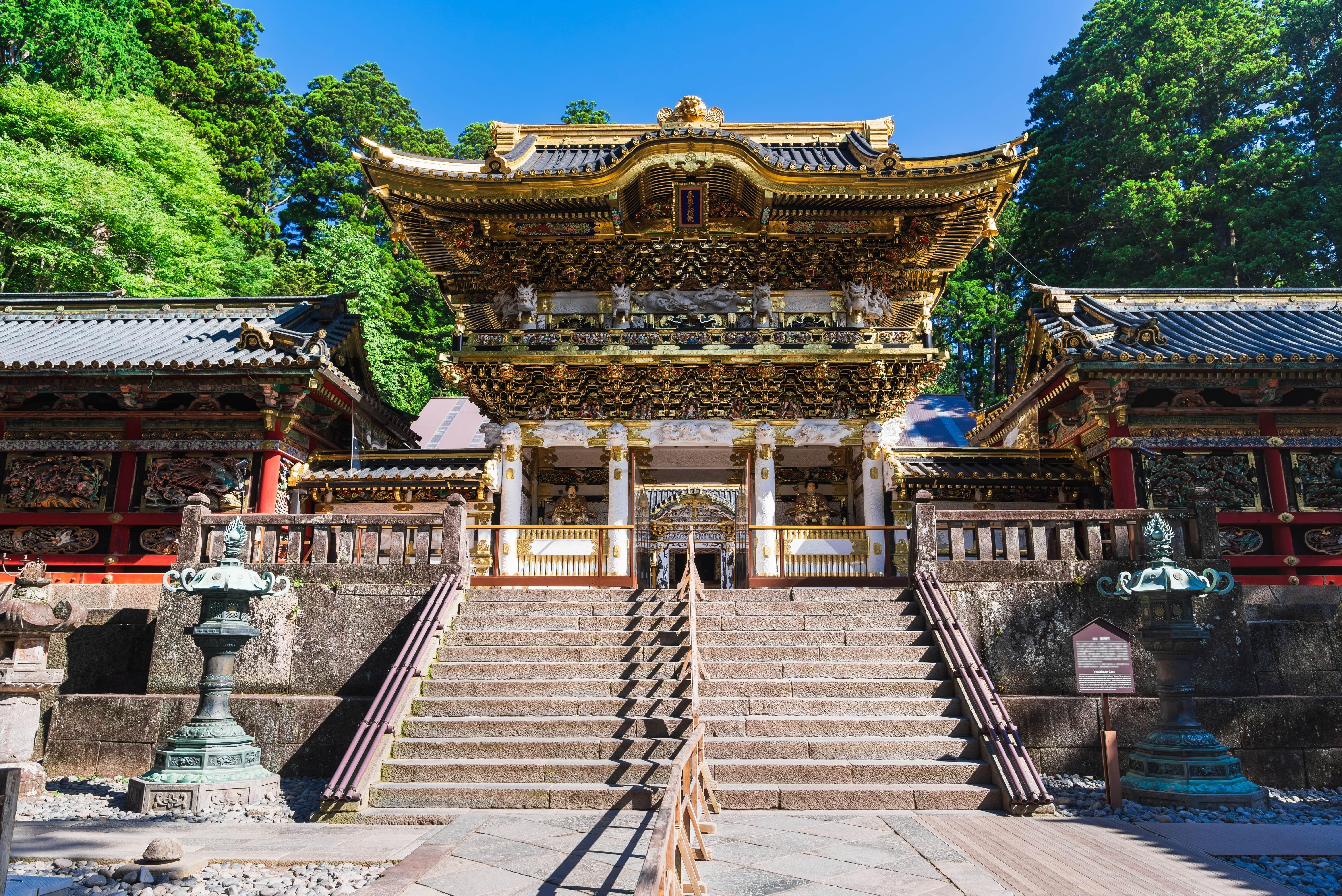
Study the gilded, sun-lit Yomeimon Gate, decorated with hundreds of carvings of animals, plants, and mythical figures
Ascend the 207-stone-step staircase through the Sakashitamon Gate to reach Tokugawa Ieyasu's mausoleum in the cedar forest above
Hear the echo effect beneath the painted dragon ceiling, demonstrated by shrine staff clapping wooden blocks
Known as the 'Gate of Sunlight,' this two-story gate is covered in more than 500 carvings of animals, sages, and mythical creatures, gilded with gold leaf and lacquer. It marks the ceremonial threshold to the inner shrine precincts and remains one of the most photographed structures at Toshogu.
A modest wooden stable building carries a famous carved panel of three monkeys covering their eyes, ears, and mouths, illustrating the Confucian principle of avoiding evil. The stable once housed a sacred horse dedicated to the shrine's deities.
A small, delicately carved wooden cat sits above the Sakashitamon Gate at the base of the stairway leading to Ieyasu's tomb, traditionally interpreted as a symbol of peace and protection during the Edo period. Despite its diminutive size, it is one of the shrine's most sought-out details.
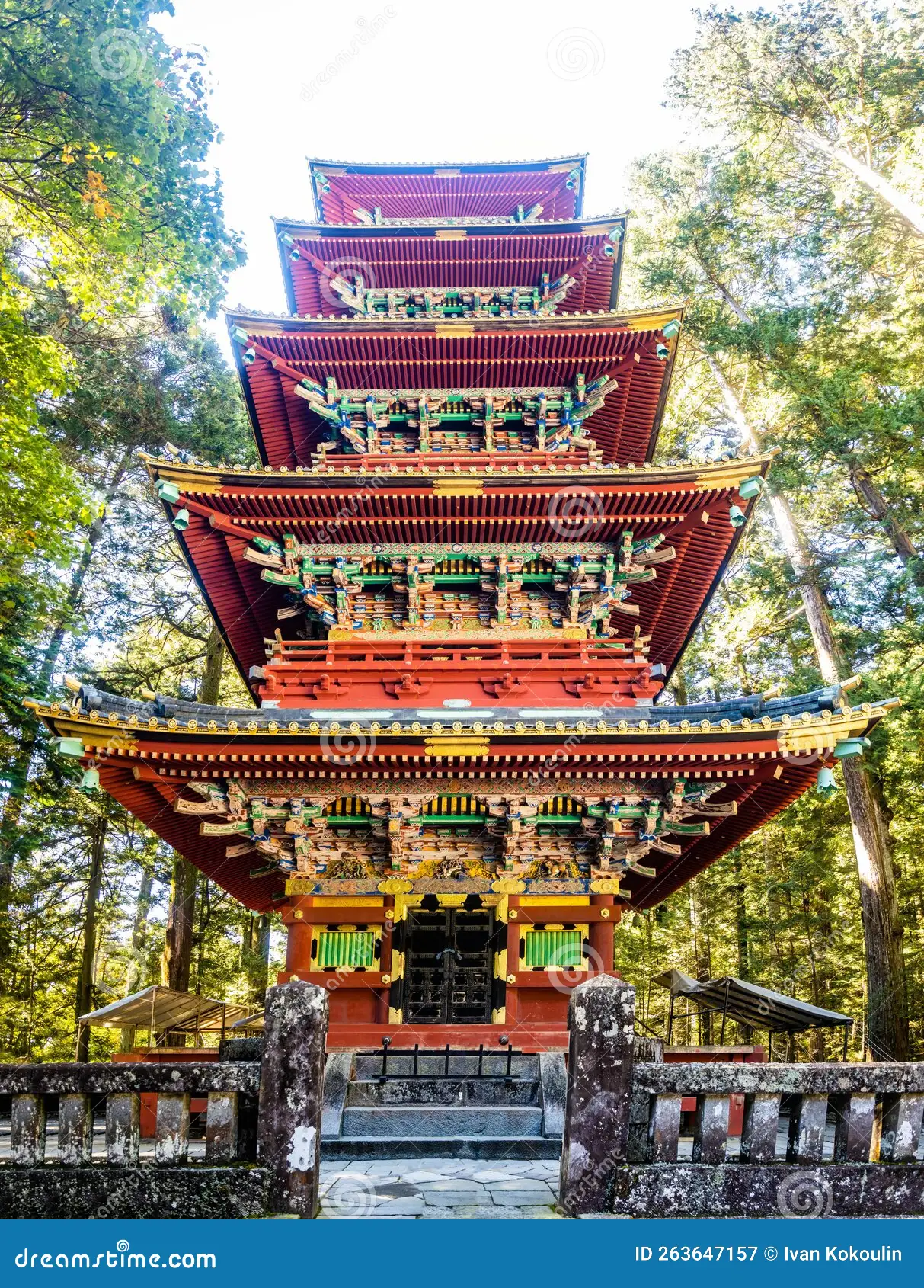
Standing near the shrine's outer entrance, this pagoda represents the five elements of earth, water, fire, wind, and void in traditional Buddhist cosmology. Its interior contains a suspended central pillar designed to counteract earthquake sway, a technique later referenced in modern skyscraper design.
Inside this hall, a large dragon painted on the ceiling produces a distinctive echoing resonance when wooden clappers are struck beneath its head, a phenomenon shrine guides demonstrate for visitors. The effect disappears entirely when the same clappers are struck elsewhere in the room.
Reached by climbing 207 stone steps through cedar forest above the main shrine buildings, this bronze urn marks the resting place of the Tokugawa shogunate's founder, who died in 1616. The climb and simpler architecture here contrast deliberately with the ornate lower shrine complex.
You board an early train at Asakusa or Shinjuku, and roughly two hours later the platform opens onto mountain air noticeably cooler than the city you left. From Nikko station you follow the main road uphill, crossing toward the vermilion Shinkyo bridge that arches over the Daiya River before the shrine precinct begins. You pass beneath the granite torii and the five-storey pagoda, then present your 1,600 JPY ticket for entry to Toshogu Shrine. Inside, you slow down. You find the three wise monkeys carved above the sacred stable, then move to the Yomeimon gate, where you tilt your head back to trace dragons and sages worked into every panel. You search the eaves for the sleeping cat, small and easy to miss above a side passage. Behind the main hall you climb the 207 stone steps, breathing harder as the cedars close in, until you reach Ieyasu's quiet bronze tomb. You descend the same way, pausing where the light falls through the cryptomeria. Arriving between 08:00 and 09:30 puts you ahead of the tour coaches, so the carvings are yours for a while. A well-timed nikko day trip from tokyo lets you unwind the whole sequence — bridge, gate, tomb — and still catch an afternoon train back with the mountains behind you.
All the details about your upcoming adventure in one place
A nikko day trip from tokyo carries you north into the forested Nikko mountains, where the ornate Toshogu Shrine and the surrounding UNESCO World Heritage complex sit among towering cedar avenues. Guided nikko day trip from tokyo tours pair rail or coach transfers with time at Rinnoji Temple, the sacred Shinkyo Bridge, and the Kanmangafuchi Abyss. It brings a full stretch of Tochigi's shrine-and-shrine landscape within easy reach of the capital for a single day away.
Toshogu Shrine holds the remains of Tokugawa Ieyasu, the warlord who unified Japan and whose descendants ruled for 250 years from Edo. A nikko day trip from tokyo carries travelers roughly 140 kilometres north into the cedar-forested mountains of Tochigi, where a mausoleum complex of more than a dozen structures rises across terraced slopes at 2301 Sannai. The contrast defines the place: the shogunate imposed austerity on its subjects, yet reserved for its founder a display of lacquer, gold leaf, and polychrome carving unmatched anywhere in the country. Completed in 1636 under the third shogun, Iemitsu, the shrine departed sharply from the restrained Shinto architecture that preceded it. Some 15,000 artisans worked the site, and their hands survive in over 5,000 carved figures scattered across the beams and gates. The Yomeimon, the central gate, carries so much ornament — dragons, sages, children at play, mythical qilin — that it earned the name Higurashi-mon, the gate one could study until dusk without exhausting its detail. Nearby, the sleeping cat attributed to sculptor Hidari Jingoro and the three wise monkeys carved above the sacred stable have become the enduring emblems of a nikko day trip from tokyo. The setting is inseparable from the architecture. An avenue of towering cryptomeria, planted over two decades in the seventeenth century, still shades the approach; thousands of these cedars remain, forming one of the longest tree-lined avenues on earth. The shrines share the mountainside with the older Rinnoji temple and Futarasan Shrine, and together the three were inscribed as a UNESCO World Heritage site in 1999 under the designation Shrines and Temples of Nikko. Why the complex still commands attention has less to do with any single carving than with its density of meaning. Every surface argues a point — Confucian virtue, Buddhist cosmology, the divine status conferred on Ieyasu as the deity Tosho Daigongen. Pilgrims once climbed the 207 stone steps behind the main hall to reach his tomb, a plain bronze urn that closes the lavish sequence on a note of deliberate simplicity. The mountains themselves drew worship long before the Tokugawa arrived; the priest Shodo established religious practice here in the eighth century, and Nikko's name — often glossed as sunlight — attached to the region for more than a millennium. Popular nikko toshogu shrine tours now trace that layered history in a single afternoon, moving from stable to gate to tomb. For visitors weighing skip-the-line nikko shrine options, the mountain town rewards those who read its surfaces slowly, and the enduring appeal of these nikko landmarks lies in how much they compress into one wooded hillside north of the capital.
Every surface argues a point — Confucian virtue, Buddhist cosmology, and the divine status conferred on a single warlord.
There is no strict dress code for Toshogu Shrine, but this is an active place of worship, so modest, respectful clothing is appropriate. Visitors climbing toward Ieyasu's tomb via the Sakashitamon Gate should wear closed-toe shoes suited to the 207 stone steps, which can be uneven and slippery after rain.
Bags are permitted throughout the shrine grounds and there are no metal detectors at the entrance gates. Large suitcases are impractical given the stone steps and gravel paths, so travelers doing a nikko day trip from tokyo should use coin lockers at Tobu-Nikko or JR Nikko Station before heading up to the shrine complex.
Photography is permitted in most outdoor areas of the Toshogu Shrine complex, including around the Yomeimon Gate and pagoda. Interior photography is prohibited inside the Honjido Hall (the Crying Dragon room) and inside the Nikko Toshogu Museum, where staff enforce a strict no-flash, no-photo policy.
Children are welcome throughout the shrine grounds, and elementary and junior high students receive discounted admission at 550 JPY versus the 1,600 JPY adult rate. Strollers can be used on the main gravel approach but not on the stone stairways leading to the inner sanctuary.
The shrine's UNESCO World Heritage designation means the 207-step stone approach and uneven Edo-period pathways cannot be modified, making full wheelchair access difficult in several inner sections. Wheelchair users can view the Yomeimon Gate and outer courtyards, but the climb to Ieyasu's tomb involves stairs with no ramp alternative.
Eating and drinking are not permitted inside the shrine buildings or directly in front of the Yomeimon Gate and other carved structures. Bottled water is allowed on the outdoor approach paths, and a small cafe operates inside the adjacent Nikko Toshogu Museum for visitors who purchase the combination ticket.
Quietest weekday morning
Local school-trip groups common
Tour buses increase
Heaviest weekend crowds
Hours
Daily 08:00–17:00, year-round
Public transport · About 1 hour 50 minutes from Asakusa · Around 2,800-3,000 JPY one-way with limited express surcharge
Take the Tobu Skytree Line limited express (Spacia Kegon or Revaty Kegon) from Tobu Asakusa Station directly to Tobu-Nikko Station, then walk or take a local bus toward the shrine complex.
Walk · Approximately 30 minutes · Free
From Tobu-Nikko or JR Nikko Station, walk uphill along the main approach road past Shinkyo Bridge to reach the shrine's Ishidorii Torii Gate.
Taxi · About 10 minutes · Roughly 1,000-1,500 JPY
Taxis wait outside both Tobu-Nikko and JR Nikko Stations and can reach the shrine parking area directly.
Car · About 2.5 hours from central Tokyo · Toll fees plus 500-1,000 JPY parking
Drivers can take the Nikko-Utsunomiya Doro toll road from central Tokyo and park at one of the paid lots near the shrine's Ishidorii Torii Gate.
Tickets for Toshogu Shrine are sold on-site and generally non-refundable once issued; the 1,600 JPY adult entrance fee is only refunded if the shrine closes unexpectedly for weather or maintenance. Pre-booked nikko day trip from tokyo tours through third-party operators typically allow free cancellation up to 24-48 hours before departure, subject to the operator's own terms.
Weather · crowds · average price — dots go green to amber to red as each metric rises.
Cherry blossoms bloom in early April and cedar forests turn vivid green; mild 10-18°C days draw moderate crowds, especially around Golden Week in early May.
Humid with temperatures often reaching 28-32°C in July and August; a nikko day trip from tokyo in summer benefits from the 08:00-09:30 arrival window before midday heat and tour groups peak.
Peak season for foliage, especially mid-to-late November, when the cedar-lined approach and mountainside turn red and gold; this is the busiest period of the year with significant crowds.
Cold with occasional snow, temperatures near freezing; the shrine sees the fewest visitors of the year, offering quieter viewing of the Yomeimon Gate and inner sanctuary.
Arriving at 08:00-09:30 lets visitors reach the Yomeimon Gate and inner sanctuary before large tour bus groups arrive mid-morning, making this the best window for a nikko day trip from tokyo.
On-site ticket counters at Toshogu Shrine are cash-only, so withdraw Japanese yen in Tokyo or at a convenience store near Tobu-Nikko Station before arriving.
The 207-step climb to Tokugawa Ieyasu's tomb is uneven in places, so wear supportive shoes and take breaks in the cedar forest shade along the way.
The World Heritage loop bus connects Tobu-Nikko Station with Rinnoji Temple, Futarasan Shrine, and Toshogu, useful for visitors covering multiple sites in one nikko day trip from tokyo itinerary.
While the shrine keeps 08:00-17:00 hours, plan the return train from Tobu-Nikko Station in advance, since evening limited express departures are limited on weekdays.
Seats on the Spacia Kegon and Revaty Kegon limited express trains from Asakusa can sell out on weekends, so reserve in advance for a smoother nikko day trip from tokyo.
2301 Sannai, Nikko City, Tochigi 321-1431, Japan
Common meeting point for guided nikko day trip from tokyo tours before the main climb
Get directionsTobu Nikko Station, Nikko, Tochigi, Japan
Standard gathering point for bus and walking tour groups arriving from Tokyo
Get directionsIn 1616, Tokugawa Ieyasu died at Sunpu. The founder of the shogunate that would rule Japan for over 250 years was first buried at Kunozan. A year later, in 1617, his remains were moved north to Nikko and enshrined under the posthumous name Tosho Daigongen. The modest original shrine reflected Ieyasu's own stated wish for restraint. That wish did not survive his grandson. Iemitsu, the third shogun, revered Ieyasu with near-religious devotion. Between 1634 and 1636 he ordered the Kan-ei reconstruction, a campaign that dismantled the earlier structures and raised the ornate complex visitors climb the 207 steps to reach today. Records credit roughly 15,000 craftsmen with the work, completed in a compressed span of about seventeen months. Carvers, lacquerers, and metalworkers covered the buildings in gold leaf and polychrome relief, producing the Yomeimon gate and the celebrated carvings of the three wise monkeys and the sleeping cat. The cost drained a substantial share of Tokugawa reserves. Any nikko day trip from tokyo now traces the ambitions of a single grandson's grief. The shrine survived where others fell. Nikko escaped the destruction of the Meiji anti-Buddhist purges and the fire-bombing that flattened much of wartime Japan. Its greatest ongoing threat has been the mountain climate itself. Cycles of snow, damp, and ultraviolet light degrade the lacquer and pigment, requiring continuous restoration. The Yomeimon gate underwent a major four-year conservation completed in 2017, when scaffolding finally came down to reveal repainted phoenixes and dragons. Skip-the-line Toshogu access schemes and guided nikko day trip from tokyo tours now route thousands past surfaces that specialists still monitor season by season. In 1999, UNESCO inscribed the Shrines and Temples of Nikko on the World Heritage list, recognizing 103 structures and the surrounding sacred cryptomeria forest as a unified cultural landscape. That designation formalized what the Tokugawa had built as political theater: a mausoleum engineered to project dynastic permanence. Modern nikko day trip from tokyo tickets fund the preservation of that theater. Booking nikko day trip from tokyo tours in advance smooths the journey, but the deeper reward lies in reading the carvings as Iemitsu intended — a grandson's argument, in gold and cedar, that his grandfather's line would endure. Among Nikko landmarks, few carry so literal a message.
Tokugawa Ieyasu dies at Sunpu and is first interred at Kunozan.
Ieyasu's remains are enshrined at Nikko as the deity Tosho Daigongen.
Iemitsu launches the Kan-ei reconstruction, employing roughly 15,000 craftsmen.
The rebuilt complex, including the Yomeimon gate, is completed in about seventeen months.
UNESCO inscribes the Shrines and Temples of Nikko as a World Heritage Site.
A four-year conservation of the Yomeimon gate is completed, restoring its painted reliefs.
The white, gold, and lacquer-red gate is the signature shot of any nikko day trip from tokyo, packed with over 500 carved figures across two stories. Stand back at the base of the stone steps facing the gate to fit the full structure in frame, since the courtyard is narrow.
Found on the Sacred Stable (Shinkyusha), this carved panel showing "see no evil, hear no evil, speak no evil" is one of the most photographed reliefs at Toshogu. Shoot from directly in front at eye level, a few steps back from the stable building, to avoid angled distortion.
This small sleeping cat carving sits on the transom above the Sakashitamon Gate, marking the start of the stone stairway toward Ieyasu's tomb. It's carved high up and easy to miss, so look up just before passing through the gate; a zoom lens helps since standing directly underneath limits the angle.
The vermilion five-storey pagoda stands near the entrance path before the main shrine buildings, offering a clean vertical composition against the cedar forest backdrop. Photograph it from the open gravel area facing its base, where all five tiers fit without obstruction.
Photography is prohibited inside the main hall, so the best available shot is the exterior facade and roofline from the courtyard just beyond the Yomeimon Gate. Frame the ornate eaves and gilded details from ground level without entering the building itself.
A nikko day trip from tokyo with young children works best if you plan around uneven stone paths rather than pushing a stroller through them. Kids tend to stay engaged thanks to the carved animals, but the Okumiya climb calls for a slower pace than an adult-only visit would need.
The approach paths and shrine grounds mix gravel and stone, and the 207-step Okumiya climb is impossible with wheels, so a soft-structured baby carrier is the practical choice for anyone under about age 4. Older kids who can climb stairs on their own can walk most of the lower complex fine.
The Three Wise Monkeys panel usually gets the fastest reaction since it is easy to spot and explain, while the Imaginary Elephants carving above the Sacred Storehouses works well as a simple counting or spotting game. The sleeping cat carving near the Okumiya passage is smaller and rewards kids who are told in advance to look for it.
Treat the Okumiya stairs as their own activity rather than an add-on, with a rest stop partway up and another at the top before heading back down. Younger children slow down noticeably on the uneven lower steps, so build in extra time there rather than at the main hall.
Children around 6 and up generally manage the stairs and stay interested in the carvings longest, while toddlers do better carried than walked. This is worth factoring into any nikko toshogu shrine tour with grade-schoolers versus a visit with a baby.
Benches are scattered near the entrance and under tree cover partway through the grounds, giving carrying parents a place to swap off or rest before continuing to the Okumiya stairway.
Toshogu Shrine sells no food on its grounds, so a nikko day trip from tokyo means planning lunch around Shinkyo Bridge and the streets leading toward the shrine complex, where yuba (tofu skin) and handmade soba dominate the menus.
Set courses built around yuba tofu skin in a quiet two-story building near Shinkyo Bridge; English menu available. Good for a sit-down lunch before or after shrine touring, and rarely has the long lines other spots draw.
Right in front of the bridge, serving colorful yuba lunch sets with generous portions. Convenient for anyone doing back-to-back Nikko landmarks tours on a tight schedule.
Hand-made soba with flavorful dashi; kakiage soba with fried seafood and vegetables is the draw. Casual and quick, suited to travelers moving fast through a nikko day trip from tokyo tour itinerary.
Ground-floor counter by the bridge known for soba and yuba dishes; can get hectic at midday and is cash-only, so plan accordingly.
Known for the yuba-and-roast-beef NIKKO Don alongside hamburg steak and curry lunches; popular with locals, a solid stop after booking nikko day trip from tokyo tickets and finishing the shrine visit.
A 300-year-old former house near Shinkyo Bridge serving clam chowder with yuba and other light dishes; a relaxed option for coffee or a snack rather than a full meal.
Real experiences from real travelers
Our nikko day trip from tokyo left Asakusa a little after seven and we were standing under the cedars at Toshogu by mid-morning. The gold-leaf carvings on Yomeimon gate glowed once the sun cleared the trees. Bring layers, the mountain air was cooler than the city by a good margin.
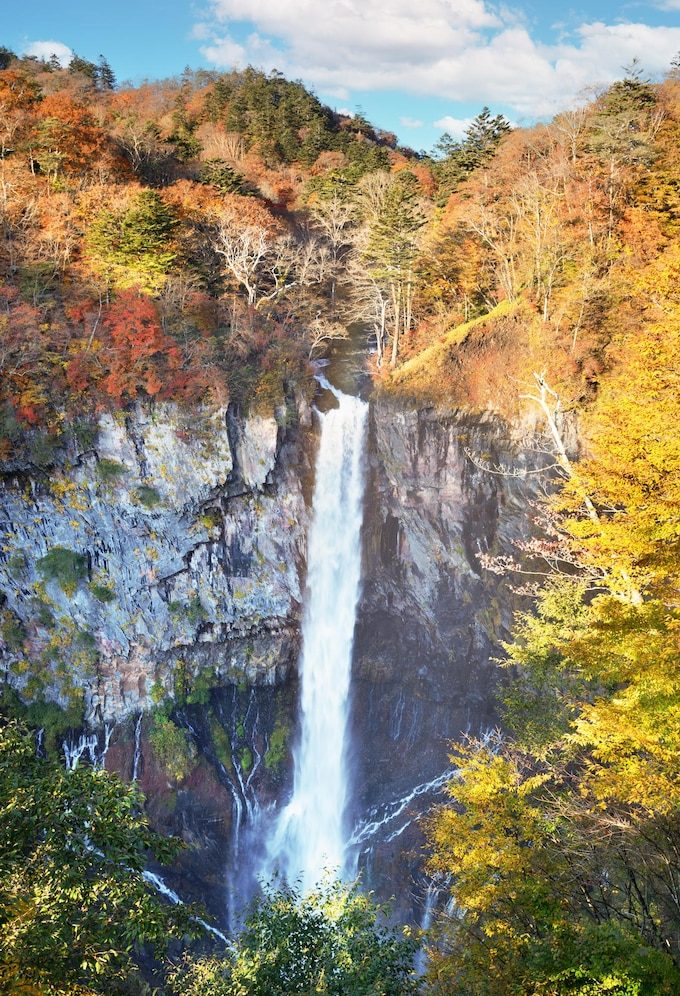
We booked one of the nikko day trip from tokyo tours mostly for Kegon Falls and it did not disappoint, the roar carries up the whole gorge. The Irohazaka hairpin road up to Lake Chuzenji is a ride in itself. Guide handled the Tobu train tickets so we just followed along.
As a local I still find the Nikko Toshogu shrine tour worth doing with visiting friends. We reached the Shinkyo bridge just as tour buses thinned out around noon. The Daiya river was running high and loud from summer rain.
Honest note, the day is long and the drive up the mountain switchbacks made one of us queasy. Still, walking the stone approach through those giant cryptomeria trees felt like stepping back centuries. A Nikko landmarks itinerary packs a lot into limited hours.
The nikko day trip from tokyo we joined timed the Shinkyo bridge for soft morning light, vermilion against green water. Kegon Falls later had a fine mist drifting over the platform. Wear proper shoes, the shrine steps are uneven and worn smooth.
Went in February and had frost on the pagoda roofs, far fewer crowds. Booking the nikko day trip from tokyo tickets ahead saved us fussing with the Tobu Limited Express schedule. Lake Chuzenji was near frozen and the wind bit hard.
The cedar forest around the Futarasan shrine was deep green and dripping after a light rain when we arrived midday. Our nikko day trip from tokyo tour kept a relaxed pace so we lingered at the carvings. The sleeping cat carving is smaller than photos suggest.
What sold me on this Tokyo to Nikko excursion was not having to work out train changes myself. Kegon Falls in the low winter sun looked almost silver. The guide pointed out the crying dragon ceiling acoustics at Yakushido, which most people rush past.
Toshogu was busier than expected on a weekend, elbow room was tight near Yomeimon. That said, the scale of the cryptomeria avenue is something photos flatten. A skip-the-line Nikko shrine entry would have helped on the ticket queue.
We compared a few nikko day trip from tokyo tours before choosing and were glad for the small group size. Standing at the Kegon Falls overlook with cold spray on my face was the highlight. Lake Chuzenji at dusk was still and mirror-flat.
Everything you need to know for your journey
Toshogu Shrine is open daily from 08:00 to 17:00, and arriving between 08:00 and 09:30 helps travelers on a nikko day trip from tokyo beat tour bus groups and midday crowds.
Wheelchair access is limited because the shrine's UNESCO World Heritage status means the historic stone stairways and uneven paths cannot be modified, though outer courtyards and the Yomeimon Gate area remain viewable.
Yes, bags and backpacks are permitted throughout the grounds, though large suitcases are impractical given the 207 stone steps, so lockers at Tobu-Nikko Station are recommended.
Outdoor photography is allowed around most of the complex, but photography is prohibited inside the Honjido Hall and inside the Nikko Toshogu Museum.
Weekday mornings, particularly outside the November foliage peak and Golden Week in early May, offer the lightest crowds for a nikko day trip from tokyo.
There is no formal dress code, but modest clothing and closed-toe shoes suited to stone stairways are recommended since this remains an active place of worship.
Food and drink are not permitted inside shrine buildings or directly in front of carved structures, though water is fine on the outdoor approach paths.
Most travelers take the Tobu limited express train from Asakusa Station to Tobu-Nikko Station, a journey of about 1 hour 50 minutes, then walk or bus the remaining distance to the shrine.
Yes, children are welcome and receive discounted admission, though strollers work only on the main gravel approach rather than the stone stairways to the inner sanctuary.
Pre-booked nikko day trip from tokyo tours typically allow free cancellation 24-48 hours before departure, while the shrine's own 1,600 JPY entrance ticket is generally non-refundable once purchased.
Rinnoji Temple, Futarasan Shrine, Taiyuinbyo Shrine, and Shinkyo Bridge all sit within a 5-10 minute walk and pair naturally with a Toshogu Shrine visit.
Reaching Tokugawa Ieyasu's mausoleum above the shrine involves climbing 207 stone steps through the Sakashitamon Gate.
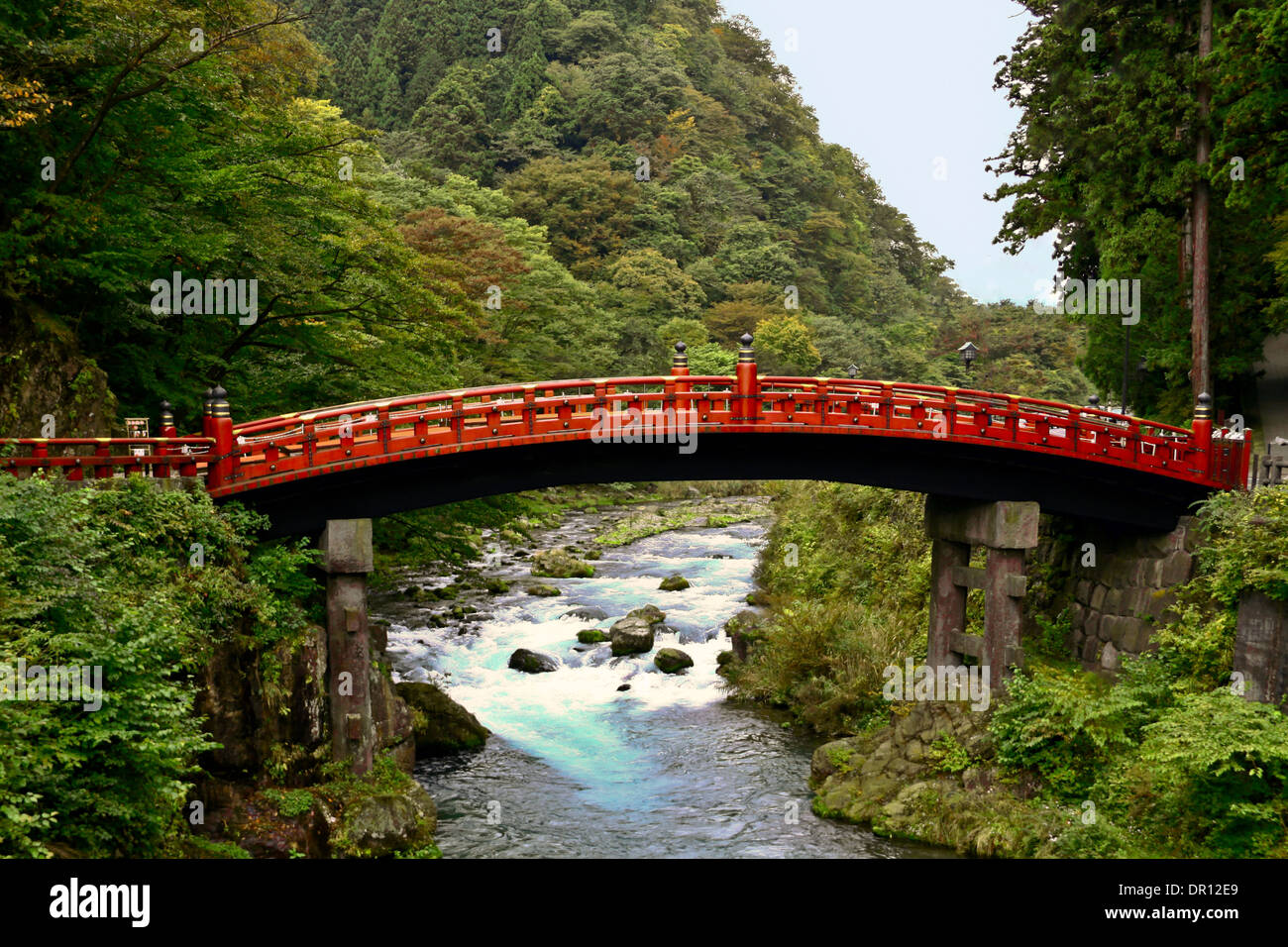
A vermilion-lacquered sacred bridge spanning the Daiya River, traditionally used only by shoguns and imperial messengers. It marks the historic entrance to Nikko's shrine and temple district.
A Tendai Buddhist temple founded over 1,200 years ago, home to the Sanbutsudo Hall with three large gilded Buddha statues. It forms part of the same UNESCO World Heritage listing as Toshogu.
One of Nikko's oldest shrines, dedicated to the deities of three sacred mountains, with a quieter atmosphere than the adjacent Toshogu complex.
The mausoleum of shogun Tokugawa Iemitsu, built in a more subdued style than Toshogu but sharing similar carved gate architecture.
A museum opened in 2015 displaying Tokugawa Ieyasu's personal effects and shrine artifacts, accessible with a combination ticket.
One of Japan's oldest Western-style hotels, operating since the 1870s near the Shinkyo Bridge approach to the shrine district.
A hostel-style guesthouse near JR Nikko Station popular with backpackers doing a nikko day trip from tokyo or an overnight stay.
A cluster of small ryokan and guesthouses along the old temple approach road, offering traditional tatami-style rooms near the shrine entrance.
Join thousands of happy travelers who have discovered this incredible experience
Book Your Experience Now