10 hr 30 min
Nikko Full-Day Tour: Toshogu Shrine, Kegon Falls & Lake Chuzenji from Tokyo
- Expert local guide
- Small group
- Skip-the-line access
- Free cancellation
Nikko Waterfall Tour — Kegon Falls Elevator & Lake Chuzenji Access
Water falls ninety-seven metres, mist rises to meet you.
Compare fares, pick the fit — all bookings are mobile-voucher and eligible for free cancellation where shown.
10 hr 30 min
10 hr 30 min
11 hr
Worth it for most first-time visitors
The nikko waterfall tour elevator costs 570 JPY round trip, and the honest question is what that buys over the free upper observation deck. The free platform gives you a full head-on view of Kegon Falls plunging nearly 100 metres into the gorge below — solid for a first look and fine for casual snaps. The paid lower deck is where the value sits: the elevator drops you to a viewing gallery near the base, putting you close to the spray, the mist, and the thunder of the water hitting the basin. Photos gain scale, foreground rock, and that vertical drama the top view flattens. For a skip-the-line Kegon Falls tour that respects your time, 570 yen is trivial against Nikko landmarks pricing. It pays off for photographers and first-timers; casual walkers content with the panorama can skip the descent and keep the cash.
Bottom line: For 570 yen, this nikko waterfall tour tour earns its fee for anyone chasing the close-up shot — skip it only if the free panorama is enough.
Most visitors doing a Nikko landmarks day trip should start with Kegon Falls, since the paid elevator ride down to the base delivers the dramatic close-up shot Ryuzu Falls simply can't match from its rest-house deck.
|
Top pick Kegon Falls |
Ryuzu Falls | |
|---|---|---|
| What you approach | A single 97m plunge into a rock basin | Twin cascades splitting around a central rock |
| How you get there | Elevator descent from the entrance building | Short walk from Ryuzu-no-taki bus stop or parking lot |
| Cost | 570 JPY adult round trip (elevator) | Free to view from the observation deck |
| How close you get to the water | Base-level platform beside the falls | Deck facing the cascade, no descent needed |
| Best for | Dramatic single-drop photos and skip-the-line elevator access | Relaxed twin-waterfall views with tea house on site |
| Typical time needed | 30–45 minutes including elevator wait | 20–30 minutes at the deck, longer with the riverside trail |
| See tickets & prices |
Verdict: Kegon rewards the entrance fee with a rare eye-level view of a 97-meter drop, while Ryuzu offers a free, quieter twin-cascade stop that pairs naturally with a Lake Chuzenji visit.
Hand-picked experiences loved by thousands of travelers
Full day (approx. 10–11 hours including transit)
Free Cancellation
Explore Nikko's sacred shrines, volcanic lake, and thundering waterfalls on a private guided day trip from Tokyo.
10 hours (including travel time from Tokyo)
Free Cancellation
Explore Nikko's waterfalls, shrines & alpine lakes on a flexible private day trip from Tokyo.
10 hours
Free Cancellation
Uncover Nikko's spiritual heart — ancient cedar paths, secret waterfalls, and sacred shrines in one immersive 10-hour journey.
Start at the no-charge observation area for a wide view down the gorge before committing to the paid deck
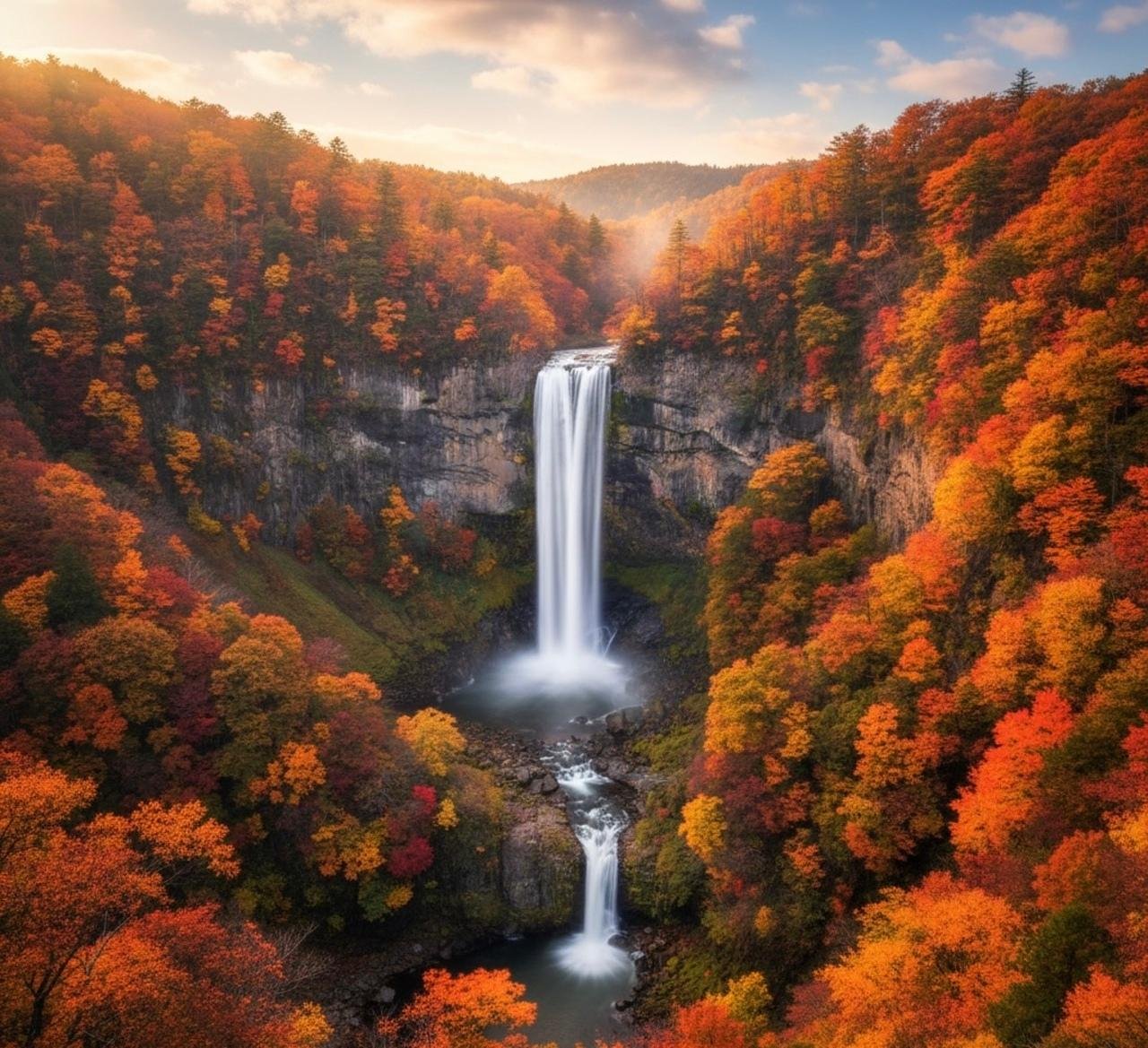
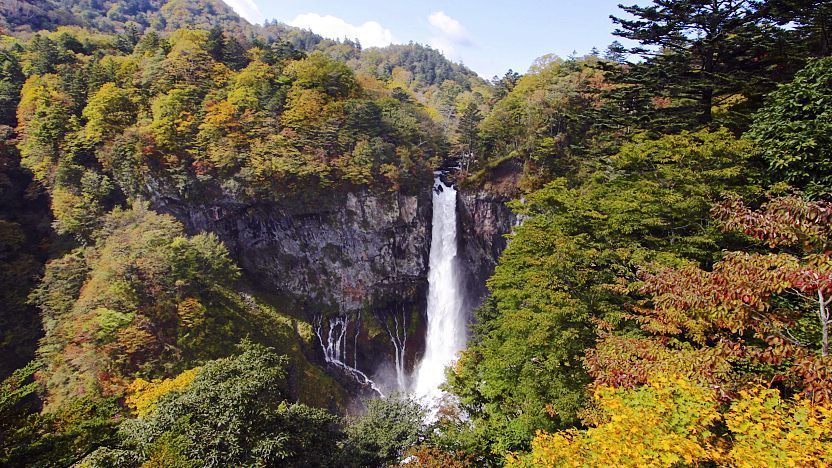
The primary drop plunges about 97 meters from Lake Chuzenji into the gorge below, formed when lava from Mount Nantai dammed the Daiya River centuries ago. It is ranked among Japan's three most celebrated waterfalls alongside Nachi and Fukuroda Falls.
Built in 1930, the elevator descends 100 meters through solid bedrock in about one minute, delivering visitors from the free upper deck to the ticketed lower platform. It remains one of the oldest continuously operating tourist elevators in the Nikko region.
This two-level platform at the base of the falls lets visitors feel spray from nearly 4 tonnes of water striking the pool each second. Basalt columnar joints are visible in the surrounding cliff face from this vantage point.
A no-charge viewpoint a short walk from the Chuzenji Onsen bus terminal, offering a wide-angle view down the gorge before descending further. It typically takes only 5 to 10 minutes to see.
Volcanic andesite cliffs beside the falls display distinctive hexagonal columnar joints, a geological feature that adds depth to the surrounding scenery. Geologists use the formation to study the area's volcanic history.
A small stone near the entrance marks the site where poet Misao Fujimura wrote a farewell poem in 1903, an event that became widely reported and linked the falls to Meiji-era literary history. The stone remains a quiet point of cultural interest for visitors passing through.
You climb out of the valley on the Irohazaka road, twenty tight hairpins lettered in the old Japanese syllabary, and the air cools as you gain altitude. At the top you park near Chuzenji and walk to the elevator building, where a fee of 570 JPY takes you down through the cliff. The car falls roughly one hundred metres in under a minute, doors opening onto a cool, damp corridor that leads to the lower platform. You step out and the noise is already there. Spray drifts across the railing, beading on your sleeves, and you look up the full ninety-seven-metre column to where Lake Chuzenji tips over the edge. You linger, then ride back up for the contrasting wide view from the free upper deck. From here a nikko waterfall tour opens outward. You follow the lakeshore path, watch the pleasure boats cross toward Shobugahama, and trace the smaller streams threading the rock beside the main drop. Arriving in the 08:00–10:00 window, you have the platform to yourself before the coaches unload, the light still low on the water and the mist yet to burn away.
All the details about your upcoming adventure in one place
A nikko waterfall tour traces the Daiya River gorge and the volcanic cliffs where Lake Chuzenji spills over the Kegon Falls escarpment, with guided stops shaped by Oku-Nikko's mountain terrain. Nikko cascade tours guide you along the Kanmangafuchi Abyss and the Irohazaka switchbacks toward the Nikko National Park highlands, where mist-fed forests frame each drop. Booking nikko waterfall tour tickets secures a small-group route through this UNESCO-listed corner of the Kanto region.
Kegon Falls drops ninety-seven metres in a single unbroken column, fed by the waters of Lake Chuzenji as they spill over a lava ledge left by the eruption of Mount Nantai some twenty thousand years ago. The lake sits at 1,269 metres above sea level, and the volcanic dam that formed it is the reason a well-known nikko waterfall tour begins not at a river but at a mountain lake, its outflow forced into open air. The cascade takes its name from the Avatamsaka Sutra, the Kegon-kyo, one of several falls in the area christened after Buddhist scriptures. That naming was no accident. Nikko has been a centre of mountain worship since the priest Shodo Shonin crossed the Daiya River in the eighth century, and the shrines and temples clustered below at Toshogu carry a UNESCO World Heritage inscription. The falls belong to that sacred geography, a natural counterpart to the lacquered halls downstream. What draws visitors today is engineering as much as scenery. A tunnel elevator, bored through the cliff, descends roughly one hundred metres to an observation platform set at the plunge pool, where the full height of the column reads as a wall of white water rather than a distant thread. From the free upper deck the view is framed by forested ridges; from the lower deck the sound arrives first, a steady percussion off the basalt. Above the main drop, a dozen smaller streams called the Twelve Falls seep through the rock face, most visible after snowmelt or heavy rain. Set within Nikko National Park, the site shifts character with the seasons: fresh green in the summer months, red and gold maples through October, and frozen filigree in deep winter when the surrounding streams ice over. Any thoughtful nikko waterfall tour treats Kegon as one anchor in a wider circuit that includes Lake Chuzenji, the Irohazaka switchbacks, and the marshlands of Senjogahara, all part of the same volcanic upland. Many nikko waterfall tour tours pair the elevator descent with a lake cruise or a walk to neighbouring cascades. Booking a Nikko Kegon Falls tour, or securing individual nikko waterfall tour tickets in advance, remains the surest way to reach the platform before the mist clears and the buses arrive.
The sound arrives first — a steady percussion off the basalt, ninety-seven metres below the lip of the lake.
No formal dress code applies for a nikko waterfall tour of Kegon Falls, but sturdy, non-slip shoes are recommended since the lower observation deck can be damp from spray. Bring a light rain layer even in summer, as mist off the 97-meter cliff drifts across the platform.
There is no bag scanner or security checkpoint at the elevator entrance, but the cabin is small and shared with other visitors, so daypacks are easier to manage than large suitcases. Large luggage is better left at a Nikko station coin locker before heading to Chuzenji Onsen.
Photography and tripods are permitted on both the free upper deck and the paid lower platform, though railings limit how close you can get to the water. Handheld shooting is easiest given the spray and the narrow footprint of the lower deck.
Strollers can manage the free upper deck easily, but the elevator queue and narrow lower platform are tighter for young children. Families with small kids sometimes skip the paid elevator on a first visit and rely on the upper deck alone.
The free upper observation deck is reached by a short, level walk from the Chuzenji Onsen bus terminal and is wheelchair-friendly. The lower deck is accessed via the elevator itself, which descends 100 meters through bedrock and can typically accommodate wheelchairs, though the platform space is narrow and can feel crowded when a tour bus arrives.
Eating and drinking are not permitted on the elevator or the observation platforms themselves, though bottled water is fine to carry. Food purchased from the stalls near the entrance should be consumed in the surrounding plaza area rather than on the viewing decks.
Quiet before 10am
Midweek, lighter crowds
Buses increase afternoon
Busiest day, expect queues
Hours
Daily 08:00–17:00 (elevator, hours may vary seasonally)
Public transport · About 50 minutes · Bus fare around 1,250 JPY one-way
From Tobu-Nikko or JR Nikko station, take a Tobu Bus bound for Chuzenji Onsen or Yumoto Onsen and get off at the Chuzenji Onsen stop, then walk about 5 minutes to the falls
Car · About 40 minutes · Parking around 500 JPY for standard cars
Drive from central Nikko via the one-way Irohazaka mountain road up to Lake Chuzenji, then park in one of two lots near the elevator entrance
Walk · About 5 minutes · Free
From the Chuzenji Onsen bus terminal it is a short, flat walk directly to the falls entrance
The Kegon Falls elevator fee of 570 JPY per adult (round trip) is paid on-site and is not a reservable or refundable advance ticket. There is no cancellation policy to manage since entry is pay-as-you-go at the elevator counter each visit.
Weather · crowds · average price — dots go green to amber to red as each metric rises.
April to May brings mild temperatures and fresh greenery around Lake Chuzenji, with lighter crowds than summer weekends. Snowmelt can boost the falls' water volume in early spring.
June to August is the busiest season, especially weekends and the Obon holiday in mid-August, so arriving between 08:00 and 10:00 helps beat tour bus crowds. Daytime temperatures stay comfortably cool given the elevation around Lake Chuzenji.
Mid-October to early November draws heavy crowds for fall foliage around Chuzenji and the Irohazaka road, making this the most congested period of the year. Reds and oranges peak in late October most years.
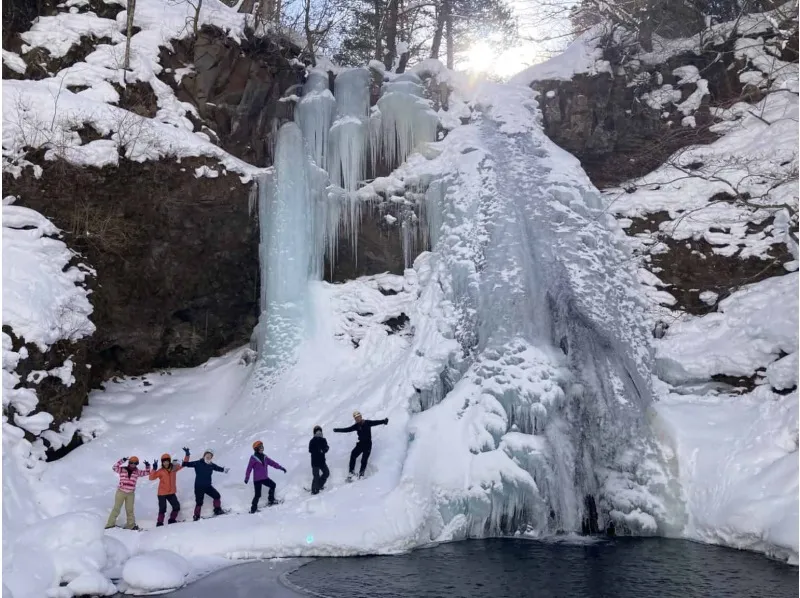
December to February sees reduced elevator hours and colder temperatures, but rewards visitors with the rare blue ice phenomenon on nearby frozen side falls. Roads can be icy, so public transport is often easier than driving.
Reaching the elevator between 08:00 and 10:00 avoids both the Irohazaka road congestion and the midday tour bus rush that fills the Chuzenji Onsen lot.
Viewing the falls from the free upper observation deck first sets the scale of the 97-meter drop before paying for the closer lower-deck perspective.
The 570 JPY elevator fee is collected on-site, so having coins or small notes ready speeds up the ticket line during busy periods.
Elevator operating hours shift slightly between the winter and summer months, so confirming the current schedule before a Nikko waterfall tour avoids arriving after closing.
Combining the falls with a short walk along Lake Chuzenji or a ride up the Akechidaira Ropeway makes efficient use of the long bus ride out from Nikko city.
Visiting in January or February can reveal the blue ice phenomenon on nearby frozen side falls, but roads can be slick, so public transport is often the safer choice.
Because Kegon Falls sits about 40-50 minutes from central Nikko by bus or car, plan a half-day rather than a quick stop when scheduling a waterfall tour.
2479-2 Chugushi, Nikko, Tochigi 321-1661, Japan
Ticket counter and entrance for the paid lower-deck elevator
Get directionsChuzenji Onsen, Nikko, Tochigi, Japan
About a 5-minute walk from Kegon Falls, main bus drop-off point
Get directionsThe story of Kegon Falls begins in geology. Thousands of years ago, Mount Nantai erupted. Lava flowed down its flanks and dammed the Daiya River. The rising water formed Lake Chuzenji. The lake, unable to hold, spilled over the volcanic barrier. That spillway became the ninety-seven-metre cascade travellers on a nikko waterfall tour still see today. The naming came later. In the eighth century, the monk Shodo Shonin travelled these mountains. He is credited with opening Nikko as a centre of Buddhist practice. He named the falls Kegon after the Kegon Sutra, the Flower Garland scripture central to his devotion. The name fixed the cascade within a sacred landscape, one that centuries afterward earned recognition among Japan's foremost Nikko landmarks and, eventually, UNESCO heritage listing for the wider shrine complex. For most of its history the falls could only be viewed from above. The gorge below stayed unreachable. That changed in 1930, when an elevator shaft was bored through solid rock to carry visitors to a lower observation platform at the plunge pool. The engineering was ambitious for its era. It transformed a distant spectacle into something one could stand beneath. The 570 JPY elevator fee charged today descends the same shaft, and most modern nikko waterfall tour tours build their itinerary around that descent. Controversy shadowed the site too. In 1903 a young student, Misao Fujimura, took his own life here, carving a philosophical poem into a nearby tree. His death drew national attention and a wave of imitators, marking the falls in the public imagination. Reached along the switchback Irohazaka road, the Kegon nikko waterfall tour and its skip-the-line Kegon Falls elevator now anchor most Nikko waterfall excursions. Visitors booking a nikko waterfall tour tour or securing nikko waterfall tour tickets are, knowingly or not, following a path shaped by lava, scripture, and rock-boring engineers.
Mount Nantai lava dammed the Daiya River, forming Lake Chuzenji and the Kegon spillway.
The monk Shodo Shonin opened Nikko and named the falls after the Kegon Sutra.
Student Misao Fujimura's death here inscribed the falls into national memory.
An elevator shaft bored through rock opened access to the lower observation deck.
A 570 JPY round-trip elevator fee carries visitors down the original 1930 shaft.
Free, ground-level platform near the parking area giving a wide, distant frontal view of the full 97-meter drop framed by cliff walls; a wide lens around 24mm captures both the cascade and surrounding gorge. Many stops on a nikko waterfall tour start here before the elevator descent.
Reached by the 100-meter cliff elevator, this platform sits almost level with the base, where rising mist regularly drifts across the frame and can wash out midday shots; stand toward the platform's right edge for the clearest sightline to the plunge pool.
The same base platform catches sunlit spray at an angle that forms short-lived rainbows on clear mornings; patience and a few extra minutes of waiting near the railing improve the odds of catching the arc against the falling water.
A ropeway-accessed lookout above the valley that pairs Kegon Falls with Lake Chuzenji in one panoramic frame, useful for a wider establishing shot distinct from the gorge-level views below.
A nikko waterfall tour here suits families well because the core loop is short: elevator down, look, mist, elevator up, done in about 30 minutes if kids don't dawdle at the rail. The lower deck has a few stair sections between its tiers, so it works best for kids who can manage steps on their own.
Budget 30 to 45 minutes for the elevator-and-viewing-deck loop itself; families who linger for the mist and photo-hunt often stretch it closer to an hour. Doing this as a quick Nikko waterfall tour stop before lunch keeps toddlers from melting down mid-visit.
The lower deck is split into three tiers connected by short staircases, not ramps, so carry younger kids on this stretch rather than pushing a stroller through it. Sturdy shoes help since the steps get misty and slick.
Elementary-age kids and up get the most out of it, since they can handle the stairs and appreciate the roar and spray up close. Toddlers do fine at the free upper deck but may find the lower stair sections tiring.
On sunny mornings, mist off the falls throws small rainbows near the lower platform rail, and turning it into a spotting game keeps kids engaged instead of rushing back to the elevator. Bring a phone or camera ready, since the rainbow shifts position as the sun moves.
Public restrooms sit near the elevator entrance and upper deck, so use them before heading down, as the lower deck itself has none. This is worth planning around given the brisk pace of a typical visit.
Most people planning a nikko waterfall tour eat right where they stand: a small cluster of cafes and stalls sits at the elevator building, with a few more options along the short walk toward Chuzenji Onsen if you want to sit down properly.
Right in front of the Kegon Falls elevator entrance, this is the easiest stop for the yuba croquette locals rave about, best eaten on the outdoor benches. It gets busy right as tour buses unload, so arriving in the early window helps you grab a seat.
A handful of outdoor stalls near the elevator office sell yuba croquettes and tamakonnyaku skewers grilled to order, ideal for a five-minute bite between viewpoints. Keep small notes on hand, since none of these take cards and lines form fast after a nikko waterfall tour group arrives.
Along the lake past the Natural Science Museum, a few small restaurants and ice cream windows offer yuba-based dishes and noodle sets for a proper sit-down meal. Quieter at midday than the falls-side stalls, this stretch suits visitors extending their nikko landmarks walk toward Lake Chuzenji.
Real experiences from real travelers
Our nikko waterfall tour started at Kegon Falls just after the morning fog lifted, and the elevator down to the lower deck put us right in the cold spray. The guide timed it so we beat the tour buses by about forty minutes. Bring a light layer because it stays chilly near the plunge pool even in June.
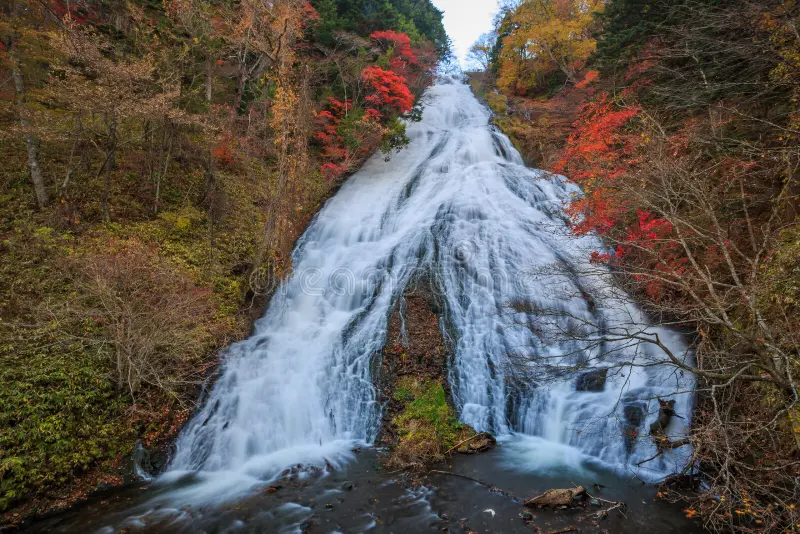
We saw Kegon, Ryuzu, and Yudaki without feeling rushed, and the driving between them gave the legs a rest. The Nikko waterfall tour tour felt well paced for someone like me who is not a strong hiker. Ryuzu Falls sounded like distant thunder before we even reached the viewpoint.
Late April meant fresh green on every slope and the water was running high from snowmelt. The Nikko cascades were louder than I expected and the mist reached the path in places. My only note is that the middle stretch had a lot of stone steps, so wear real shoes.
Coming up from the summer heat of the city, the gorge air near the falls was a relief. This nikko waterfall tour covered more ground than I could have managed on my own with the local buses. The Iroha-zaka switchback road up the mountain is an experience by itself.
Ryuzu Falls in early spring still had ice at the edges and the flow was heavy from the melt. Our small group meant we could linger at each Nikko waterfall viewpoint without waiting for others. The tea house at the base of Ryuzu had warm amazake that hit the spot.
We booked the nikko waterfall tour tickets for the first slot and I am glad we did, because by midday the Kegon deck was shoulder to shoulder. Lake Chuzenji sat perfectly still behind us while the falls thundered below. The lower elevator platform is the angle you want for photos.
February was cold and parts of the upper viewpoints were slick, so I would not recommend it for anyone unsteady on their feet. Still, seeing partly frozen water on the Nikko cliffs was something I had never witnessed before. The guide knew which platforms were safe underfoot.
Early November lined the gorge with red and orange maples and the Kegon Falls tour felt like walking through a painting without any of the marketing hype. We compared several nikko waterfall tour tours before booking and this one had the smallest group size. Lake Yunoko near Yudaki was mirror-flat at dusk.
The Nikko landmarks are spread out and the transport between Kegon and the Senjogahara falls saved us hours. As a local I have seen these cascades many times, but the guiding added history I never knew. September had comfortable temperatures and thinner crowds than summer.
August in Nikko was humid but the waterfall gorges stayed noticeably cooler, which made the walking pleasant. The skip-the-line Kegon elevator access meant we did not queue at the busiest hour. I wish we had a little more time at Ryuzu, but the overall pacing was fair.
Everything you need to know for your journey
Kegon Falls and its elevator operate daily from 08:00 to 17:00, though hours can shift slightly by season, so checking the current schedule before your Nikko waterfall tour is worthwhile.
The free upper deck is level and wheelchair-friendly, while the lower deck reached by elevator has a narrower platform that can feel tight during busy periods but generally accommodates wheelchairs.
There is no security scanner at the entrance, but the elevator cabin is small, so a daypack is easier to manage than a large suitcase on this Nikko waterfall tour stop.
Yes, photography is permitted on both the free upper deck and the paid lower observation platform, though railings limit how close you can get to the water.
Arriving between 08:00 and 10:00 on weekdays is the best way to beat tour bus crowds and Irohazaka road congestion during a Nikko waterfall tour.
There is no formal dress code, but non-slip shoes and a light rain layer are recommended since spray from the 97-meter falls can dampen the lower deck.
Eating and drinking are not allowed on the elevator or the viewing platforms themselves, though bottled water can be carried and food from nearby stalls can be eaten in the surrounding plaza.
Take a Tobu Bus from Tobu-Nikko or JR Nikko station bound for Chuzenji Onsen, ride about 50 minutes, then walk roughly 5 minutes to the falls entrance.
Yes, though families with very young children sometimes start at the free upper deck before deciding whether to add the paid elevator ride to the lower platform.
The 570 JPY per adult elevator fee is paid on-site at the counter and is not an advance or refundable ticket, since entry is pay-as-you-go each visit.
Lake Chuzenji, the Akechidaira Ropeway, and Chuzenji Temple all sit within a short walk and combine naturally with a Nikko waterfall tour tour of Kegon Falls.
The round-trip elevator fee is 570 JPY per adult, with reduced pricing for elementary school children and free entry for preschool-age children.
A large caldera lake formed by the same volcanic activity that created Kegon Falls, with walking paths and boat cruises along its shore. It sits at roughly 1,269 meters elevation and pairs naturally with a falls visit.
A cable car ascending to a viewpoint overlooking both Kegon Falls and Lake Chuzenji from above. The observation deck at the top offers a wider panorama than the falls-side decks.
A temple associated with Shodo Shonin, the historical founder credited with developing the Nikko area. It sits near the lake shore close to the bus terminal.
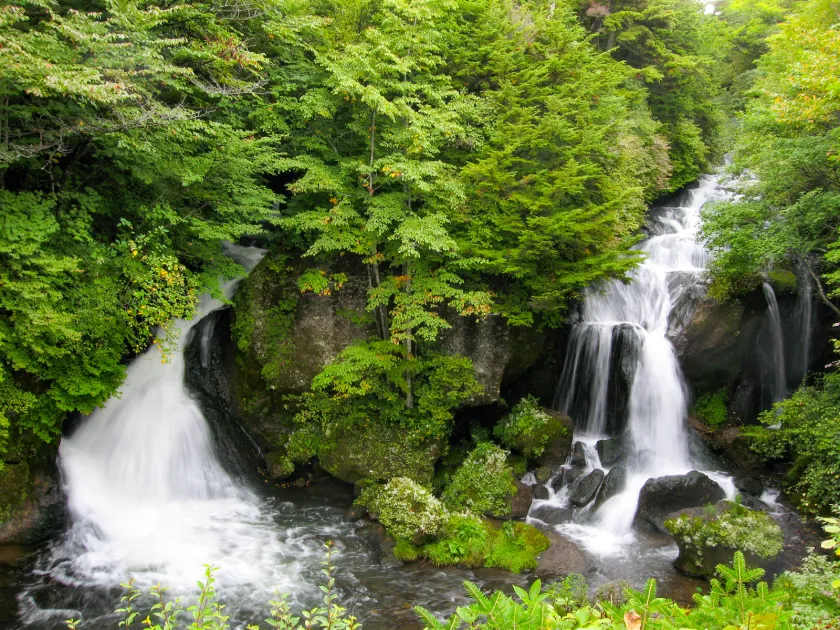
A smaller, twin-stream waterfall further along the lake shore, often visited as a contrast to Kegon Falls' single powerful drop.
A hot spring town directly beside Lake Chuzenji with a range of ryokan and hotels overlooking the water, convenient for an early start on a nikko waterfall tour.
A cluster of hotels and guesthouses near Tobu-Nikko station, useful for travelers combining the falls with Toshogu Shrine.
A larger hot spring resort town with more hotel variety, often used as an alternative overnight base for the Nikko region.
Join thousands of happy travelers who have discovered this incredible experience
Book Your Experience Now