Nikko Tours

A UNESCO shrine town of carved gates, waterfalls and forest trails, a short mountain journey north of Tokyo.

Explore Attractions
Destination guide

Why Visit Nikko?

Nikko holds a Japanese proverb of its own: "Never say kekko until you have seen Nikko" — never call anything splendid until you have seen this town. The line has clung to the place for centuries, and it explains why so many Nikko Tours begin at a gate rather than a viewpoint. This is a town built around reverence.

Read more Show less

The setting shaped everything. Nikko sits where the Kanto plain buckles into steep, cedar-dark mountains, and that terrain drew mountain ascetics long before it drew shoguns. When a great mausoleum was raised here in the seventeenth century, artisans answered the landscape with excess: gold leaf, lacquer, and thousands of carvings, among them the sleeping cat of Hidari Jingoro and the three wise monkeys. The forest and the workshop have argued ever since, and the town is their truce.

What defines Nikko today is the short distance between the sacred and the wild. The shrine district — Toshogu, Rinnoji, Futarasan — clusters within a walking radius, its rooftops rising among trees planted as a living avenue. Then the road lifts toward Lake Chuzenji, where Kegon Falls drops in a single white column and the air cools by degrees. Families break the solemnity at Edo Wonderland, a staged Edo-period town of ninja, oiran and street theatre. Nature and history sit close enough that a waterfall tour and a shrine visit fit inside one day, which is why guided and private Nikko Tours tours knit the two together so often. Many visitors reserve Toshogu Shrine tickets before they arrive.

The town suits a particular kind of traveler. It rewards those who like their heritage layered — someone content to read a carved beam slowly, then walk into a gorge. It suits families, since the samurai theme park and the falls entertain across ages. And it suits the time-pressed, because a well-planned Nikko Tours tour compresses a shrine, a lake and a cascade into a single arc out of the capital. Yuba, the delicate tofu skin simmered in the mountain water, threads through the local menus and gives the day a taste as distinct as its architecture.

Nikko is not a place you rush. Its carvings reveal themselves to patient eyes, its trails ask for good footing, and its mist arrives on its own schedule. Booking Nikko Tours tickets in advance simply clears the way for that slower attention. What remains is a compact mountain town where gilded roofs and falling water hold the same quiet claim on the visitor.

“Never say kekko until you have seen Nikko.”

Toshogu Shrine Complex

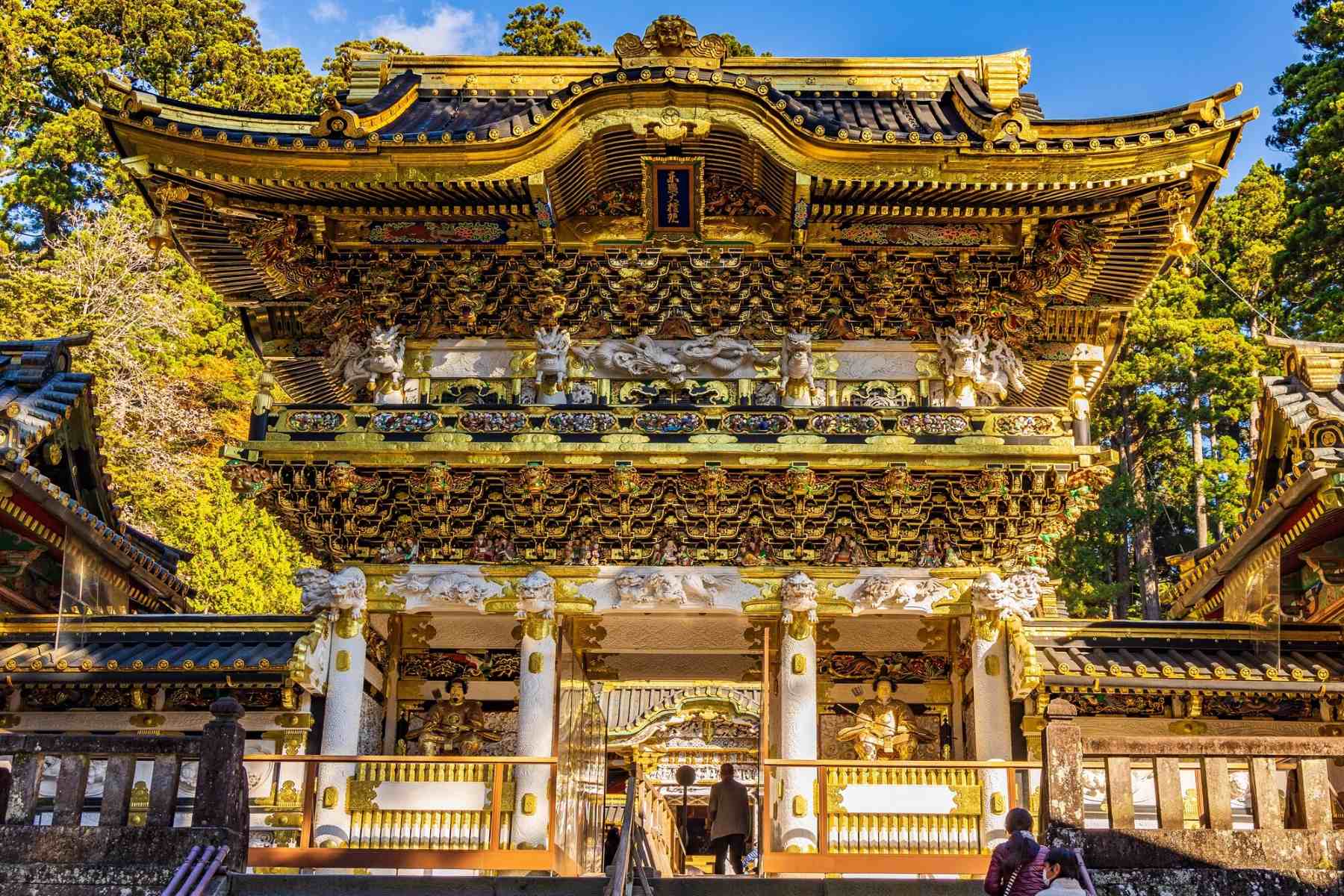
A gilded seventeenth-century mausoleum of some sixty carved structures set among towering cedars.

Waterfalls & Lake Chuzenji

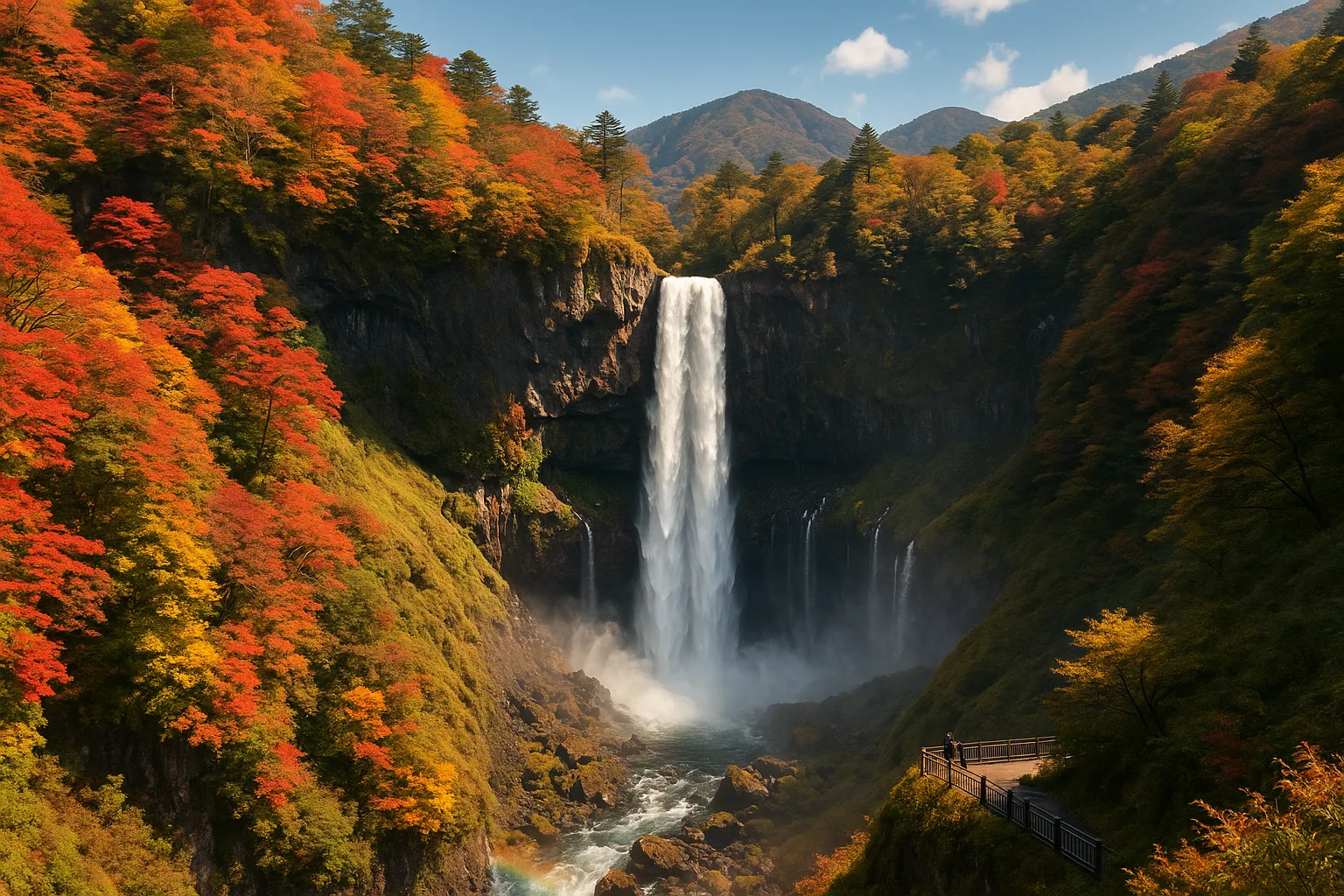
Kegon Falls drops nearly a hundred metres beside a highland lake ringed by forest trails.

Edo-Era Living History

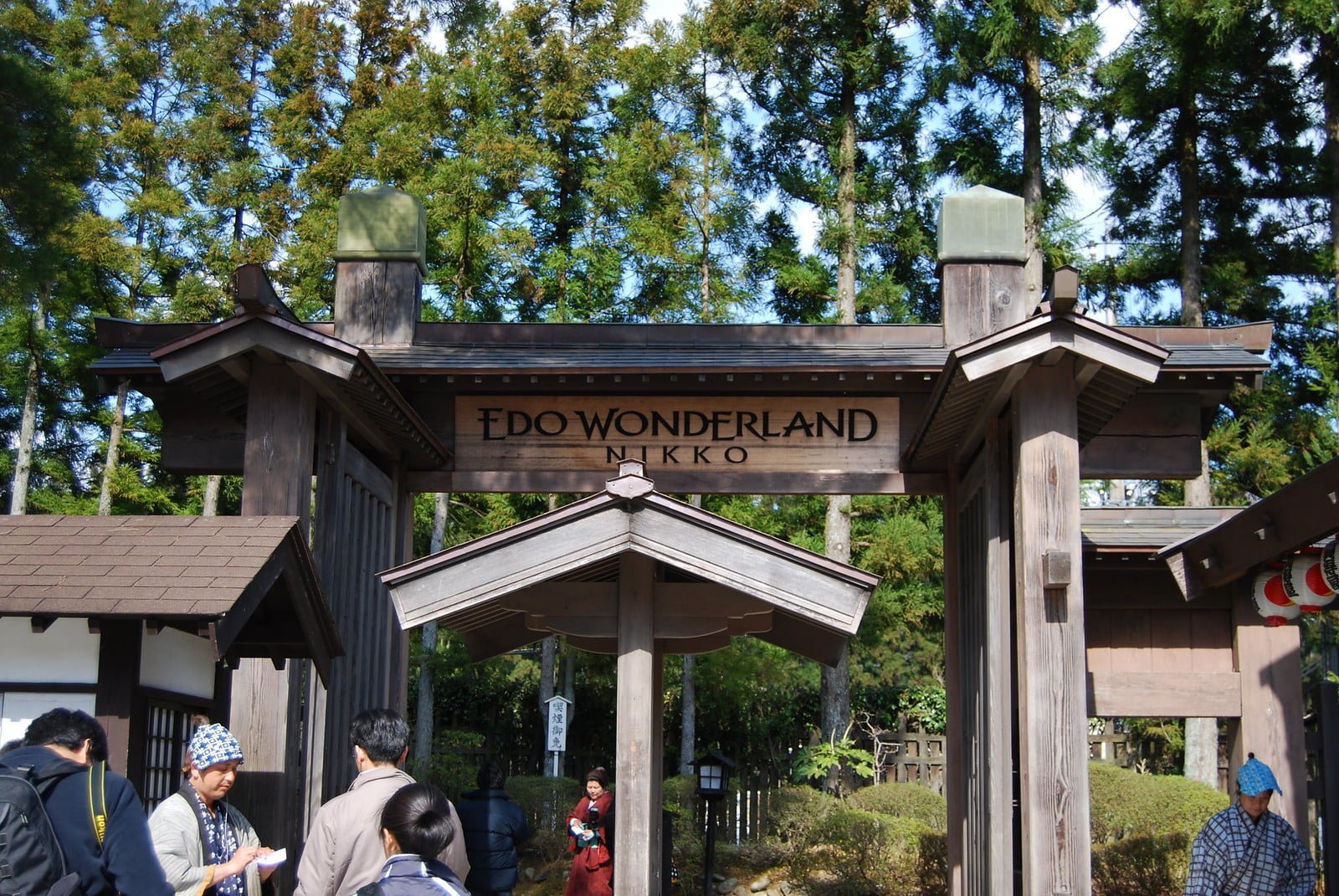
Edo Wonderland stages a recreated samurai town of ninja shows, costumes and old-street theatre.

Most popular

Top attractions in Nikko

The pages this Nikko guide carries fall into a few clear buckets: the shrine-and-nature core that most people come for, the ways to reach it from Tokyo, and the ticketing that ties a visit together. Some are single attractions, others are how you get in or get around. Read each blurb for what you actually do there, then pick based on whether you want a booked tour, a self-guided ticket, or a themed experience like Edo-era streets or a snowy day out.

Nikko Winter Tours & Snow Experiences Tour

Nikko Winter Tours & Snow Experiences

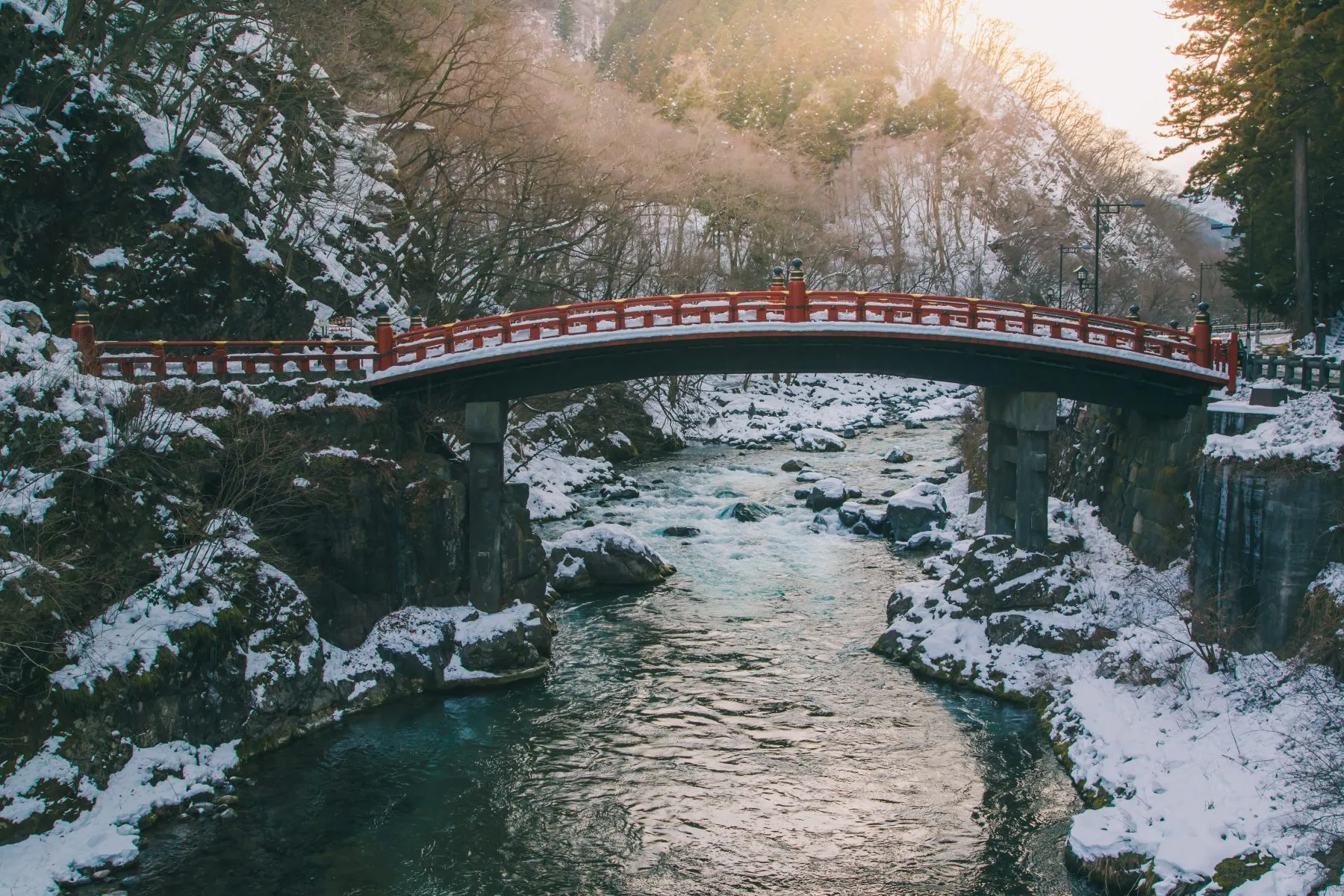
Cold-season trips built around frozen waterfalls, snow-covered shrine roofs and quieter precincts, offering the same landmarks with far fewer people around them.

From €82.24 View guide
Nikko Pass & Transport Tickets Tickets

Nikko Pass & Transport Tickets

Sightseeing bus and transport tickets covering the World Heritage area, letting you ride between the shrine precinct and outlying stops on a single pass instead of paying per leg.

From €82.24 View guide
Nikko Waterfall & Nature Tours Nature

Nikko Waterfall & Nature Tours

Trips built around Kegon Falls, Ryuzu Falls and the wooded upland around Lake Chuzenji, pairing thundering drops with lakeside and forest walking rather than shrine-hopping.

From €82.24 View guide
Edo Wonderland Nikko Edomura Tickets Theme Park

Edo Wonderland Nikko Edomura Tickets

Entry to a recreated Edo-period town where costumed staff, ninja and samurai shows, and period streets let you walk through Japan's feudal past on foot.

From €29.66 View guide
Private Nikko Tours with Local Guides Tour

Private Nikko Tours with Local Guides

Custom itineraries led by a local guide who paces the day to your interests, covering as many shrines, falls or lesser-known corners as you want at your speed.

From €297.06 View guide
Nikko Toshogu Shrine Tickets & Tours Shrine

Nikko Toshogu Shrine Tickets & Tours

Access to the ornately carved shrine complex, home to the Sleeping Cat and Three Wise Monkeys carvings, gilded gates and cedar-lined approaches set into the hillside.

From €82.24 View guide
Nikko Day Trip from Tokyo: Guided & Private Tours Tour

Nikko Day Trip from Tokyo: Guided & Private Tours

Guided and private tours that bundle the round trip and the main shrine cluster into one booked day, so you skip the logistics of piecing a first visit together yourself.

From €82.24 View guide

All Attractions

Day plans

Nikko Tours Itineraries: One Day, Two Days, or Three Days

How many days you give Nikko decides how far past the shrines you get. One day covers the World Heritage core; two adds either the lake-and-waterfall highlands or the Edo-era theme park; three lets you reach the hot-spring valley at Yumoto or layer in cold-weather add-ons. Each plan below builds on the last, so you can stop wherever your schedule ends.

1
Morning

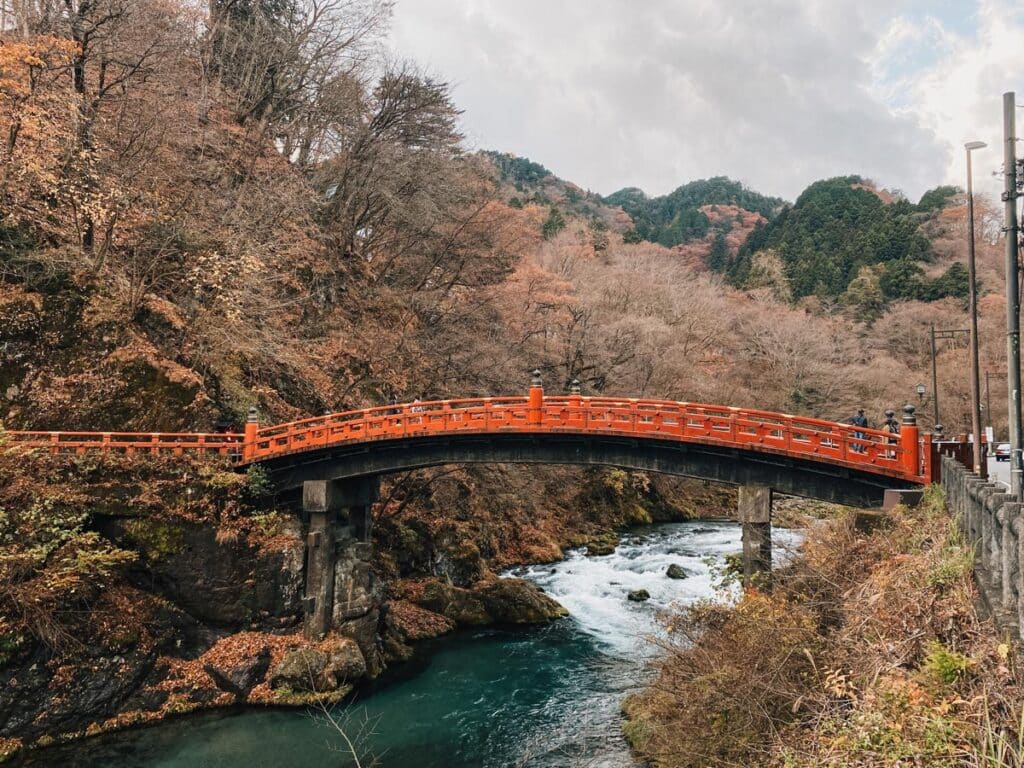
Shinkyo Bridge

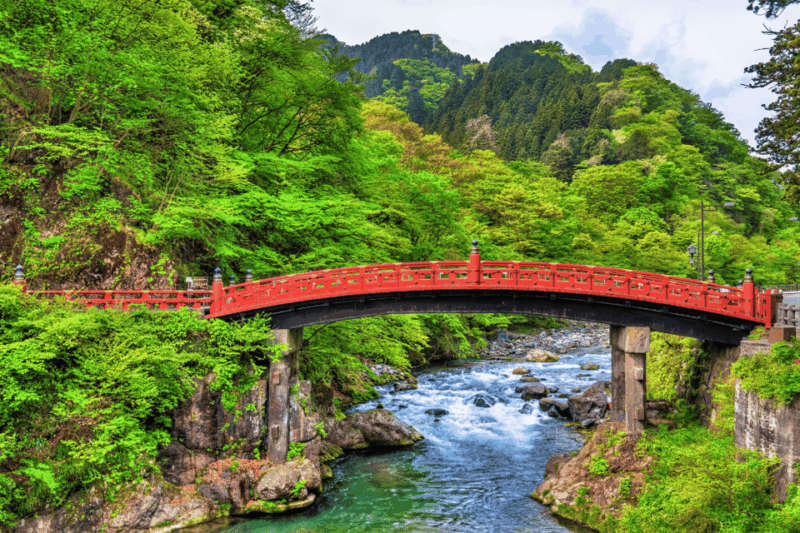
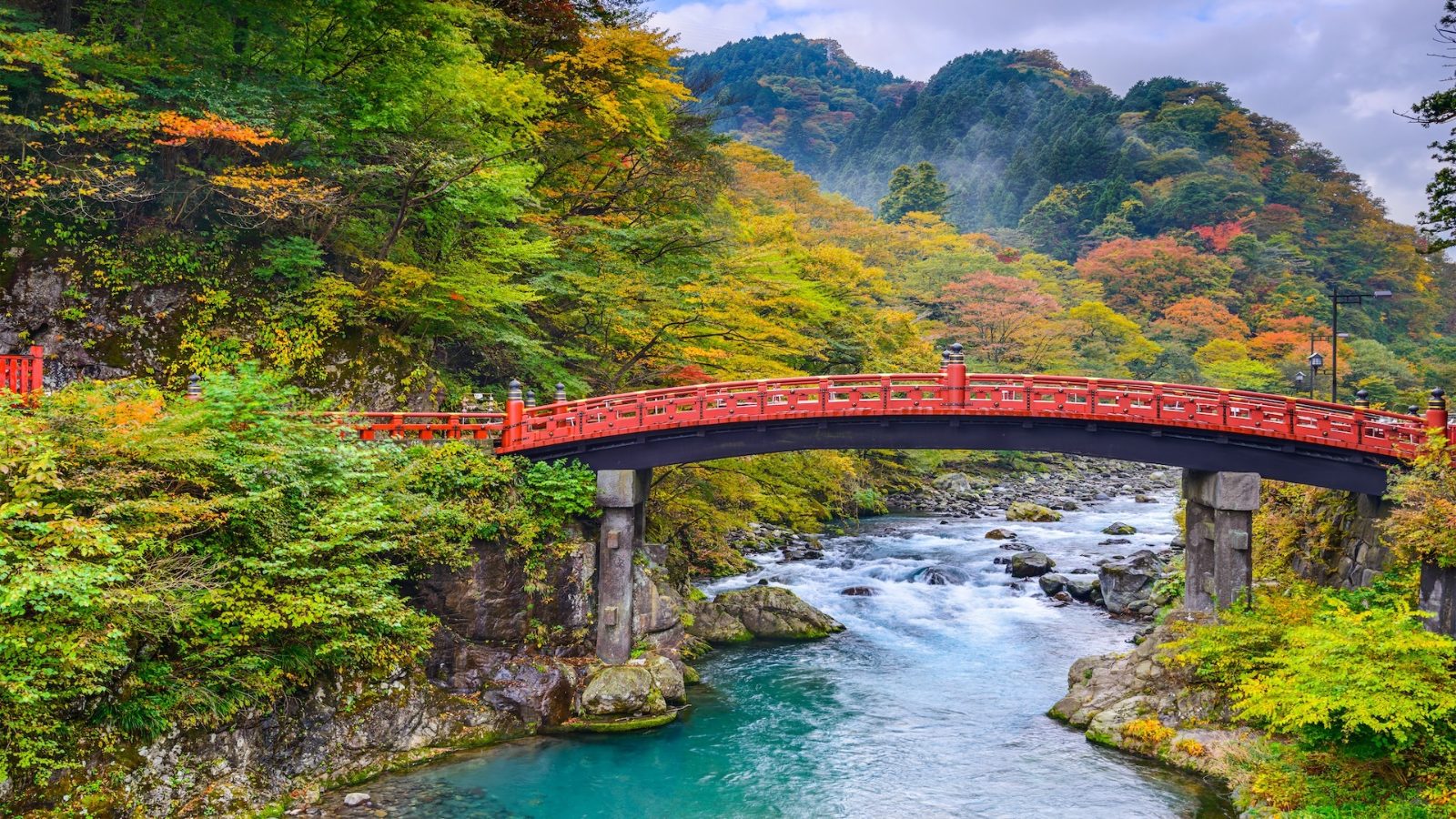
Start at the vermilion sacred bridge over the Daiya River, the traditional entry point to the shrine precinct. Ten minutes for photos before the uphill walk to the shrine gates.

2
Morning

Toshogu Shrine

Work through the carved gates, the sleeping cat, and the five-story pagoda across a couple of unhurried hours. Wear shoes you can slip off for the inner halls.

View guide
3
Afternoon

Lunch in central Nikko

Break for yuba (tofu skin) sets, a local specialty, at a restaurant near the shrine approach. Budget ¥1,500-2,500 for a mid-range meal.

4
Afternoon

Guided shrine-precinct walk

Add a local guide to fill in the Rinnoji and Futarasan detail you would otherwise walk past. A private guide suits families who want pacing on their own terms.

View guide
1
Morning

Kegon Falls

Ride up to the 97-meter falls and take the observation lift to the base viewing deck. Allow an hour including the lift queue.

View guide
2
Afternoon

Lake Chuzenji

Walk the eastern shoreline or take a short boat loop with the surrounding peaks as backdrop. Roughly two hours at an easy pace.

3
Afternoon

Alternative: Edo Wonderland

Swap the highlands for the Edo-period theme village, with ninja shows, costume rental, and street performers. Plan on a half to full day inside.

View guide
1
Morning

Yumoto Onsen

Continue past the lake to the hot-spring village for a soak and the short boardwalk over the sulfur marsh. Two to three hours including travel up.

2
Afternoon

Winter experiences

In colder months, add snowshoe walks or seasonal snow activities in the upper Nikko highlands. Book the guided option ahead in peak weeks.

View guide
3
Evening

Transport ticket sorting

Square away your onward pass before heading down so the return leg is settled. Handle this early to avoid a scramble.

View guide
Where to go

Nikko Tours by Area: Central Nikko, Okunikko, and Kinugawa Onsen

Nikko spreads across four distinct zones rather than one compact town center: a low-lying shrine district near the station, a mountain lake area up the old road, a riverside hot spring resort, and a lowland gateway town. Where to base depends on whether the priority is shrine-hopping, mountain scenery, onsen soaking, or a slower, less touristed pace.

Central Nikko

Best for: First-timers · sights

The core World Heritage zone around Toshogu Shrine, Rinnoji Temple, and Shinkyo Bridge, with the town's main shops, restaurants, and craft workshops within walking distance. It suits first-time visitors who want the shrines, museums, and Kanmangafuchi Abyss gorge walk all close together.

Okunikko (Lake Chuzenji)

Best for: Nature · hiking · onsen

Set higher in Nikko National Park around Lake Chuzenji, Mt. Nantai, Kegon Falls, and the Senjogahara marshlands, this area feels like a mountain retreat rather than a town, with hot spring inns scattered along the shore. It suits travelers prioritizing scenery, hiking, and a quieter overnight away from the shrine crowds.

Kinugawa Onsen

Best for: Onsen · families · resort stays

Strung along the Kinugawa River, this is one of Japan's best-known hot spring resort areas, packed with ryokan, hotels, and a scattering of theme parks and riverside attractions. It works well as a base for travelers who want a classic onsen stay alongside day trips into central Nikko.

Imaichi

Best for: Local flavor · slow pace

Once a post town on the old highway into Nikko, Imaichi now functions as the practical gateway to the area, with soba-making lessons, sake breweries, and seasonal festivals giving it its own low-key character. It suits visitors who want a slower, less crowded stop before continuing on to the shrines or Kinugawa Onsen.

Getting around

Getting Around on Nikko Tours: Trains, Buses, and the Irohazaka Road

Nikko's core sites cluster tightly enough that most visitors get by on a single Tobu train ride from Tokyo followed by local buses, with a car or taxi only useful for the mountain road up to Lake Chuzenji.

Metro

from ¥3,050 (Tobu Ltd. Express portion)

Tobu Railway runs limited express trains (Kegon, Spacia, Spacia X) direct from Asakusa to Tobu-Nikko Station in roughly 1 hour 50 minutes to 2 hours, no transfer needed. This is the backbone of getting to Nikko itself, distinct from the Tobu Bus network used once you arrive.

Bus

¥200 base fare

Tobu Bus World Heritage Sightseeing buses run frequently from Tobu-Nikko and JR Nikko stations up to the Toshogu shrine complex, and continue on separate routes toward Chuzenjiko and Yumoto Onsen. Locals and repeat visitors track departures with the Tobu Bus Navi app rather than printed timetables.

Bus

¥200 base fare

For Lake Chuzenji and Okunikko, buses climb the Second Irohazaka (uphill only) and return via the First Irohazaka (downhill only), since the two lanes are separated one-way roads. Ride time from central Nikko to the lake runs about 50 minutes depending on traffic on the switchbacks.

Taxi

¥420 per km

Taxis wait outside Tobu-Nikko and JR Nikko stations and are the easiest way to reach Toshogu or hillside ryokan with luggage. They can also run the Irohazaka route on request, though it's the same shared road buses use.

Walking

no fare

Central Nikko's temple district, from Shinkyo Bridge to the Toshogu approach, is compact enough to cover on foot without any transit at all. Most travelers walk this stretch and save the bus for onward trips to the lake.

From the airport: From Haneda (HND), take the train (Keikyu or Monorail) into Asakusa, then the Tobu Limited Express onward, a trip of about 2.5-3 hours total, with the Tobu portion from ¥3,050. From Narita (NRT), the Narita Express or Skyliner to Ueno or Asakusa connects to the same Tobu Limited Express, taking about 3-3.5 hours total, also from ¥3,050 for the Tobu segment.

Save money

Nikko Tours Pass Guide: Tobu NIKKO PASS All Area vs World Heritage Area

Tobu Railway sells two official passes covering round-trip train travel between Asakusa and Nikko plus local bus rides: the NIKKO PASS World Heritage Area and the NIKKO PASS All Area. Anyone traveling from Tokyo who plans to use local buses beyond the free walking radius of Nikko Station should compare the two before booking.

Top pick
NIKKO PASS World Heritage Area 2-day pass
NIKKO PASS All Area 4-day pass
Price (adult / child) ¥8,000 / ¥4,000
What's included Same round-trip train plus buses to Lake Chuzenji, Kirifuri, Yumoto Onsen, Kinugawa Onsen area, Chuzenji sightseeing boats, and other bonus facility perks
Transit included? Same base train and surcharge terms, with bus coverage extended to Okunikko and Kinugawa
Validity 4 consecutive calendar days
Best for Multi-day visitors continuing to Lake Chuzenji, Kegon Falls, Yumoto Onsen, or Kinugawa Onsen

Verdict: Choose the World Heritage Area pass for a one- or two-day shrine-district visit, and the All Area pass only if the itinerary extends to Lake Chuzenji, Yumoto Onsen, or Kinugawa Onsen over several days; see the dedicated pass page for booking links.

When to go

Best Time for Nikko Tours: Autumn Colors and Winter Snow

Late October to early November is the strongest window, when foliage completes its descent from Oku-Nikko to the town center and daytime temperatures still sit in a comfortable mid-teens Celsius range.

Spring (April-May)

Highs 14-21C, cool mornings, fresh greenery Heavy, peak-season crowds

New leaves fill the cedar avenues and Toshogu grounds through late April into May, with mild days that make walking between sites comfortable, though this is one of the two peak periods named locally.

Summer (June-August)

Highs 22-27C, humid, cooler than Tokyo Moderate, lighter than autumn

Nikko's elevation keeps it noticeably cooler than the Kanto plain, and the town markets itself as a retreat from lowland heat, though June brings the rainy season and July-August carry the heaviest rainfall totals of the year.

Autumn (early October-mid November)

Highs 10-18C, crisp air, clear skies Heaviest of the year, especially weekends

Color starts at Yumoto Onsen and Ryuzu Falls in early October, reaches Lake Chuzenji by mid-to-late October, then descends to Nikko town by early November, giving a three-to-four week window as the display moves downhill.

Winter (December-February)

Highs 2-5C, lows below freezing, regular snowfall Sparse, quietest season

Snow accumulates through the season and the Yumoto Onsen Ski Park typically runs from late December into late March, while sections of the Irohazaka road up to Chuzenji can close temporarily during heavy snow.

Beyond the city

Beyond the Nikko Tours Circuit: Kinugawa Onsen and Utsunomiya

Travelers with an extra day can push past the Nikko Tours circuit to two distinct add-ons: a hot-spring gorge town and Tochigi's own capital, each reachable in under an hour.

Kinugawa Onsen

30 min

Tobu train from Tobu-Nikko Station, transfer at Shimo-Imaichi

Ryokan with alkaline hot-spring baths line the Kinugawa Gorge, and a 40-minute wooden-boat ride glides past rock formations shaped by the river; Tobu World Square's 1:25-scale world landmarks sit nearby.

Utsunomiya

40 min

JR train from JR Nikko Station

Tochigi Prefecture's capital has its own food identity built around pan-fried gyoza, with dozens of specialty shops clustered near the station and a gyoza-shaped statue marking the city's claim to the dish.

The story

The History Behind Nikko Tours: Tokugawa Shrines and Mountain Worship

Nikko's sanctity predates its shrines by a millennium. In 766, the monk Shodo Shonin crossed the Daiya River and founded Rinno-ji, seeding a tradition of mountain worship on the slopes of Mount Nantai. For centuries the peaks drew ascetic pilgrims. This layered spiritual geography is what the best Nikko Tours still trace today. Shugendo practitioners revered the volcanic summit as a dwelling of the kami. The mountains, not the monuments, came first. The turning point arrived in the 17th century. Tokugawa Ieyasu, founder of the shogunate that unified Japan, died in 1616 and was interred here. His grandson Iemitsu rebuilt the complex on a monumental scale between 1634 and 1636, employing more than 15,000 artisans to raise Toshogu as a dynastic mausoleum. Ieyasu was enshrined as the deity Tosho Daigongen. A Nikko landmarks tour reveals how Tokugawa power fused with older sanctuaries. Guided Nikko Tours tours foreground this fusion of politics and devotion. Recognition of that heritage came in 1999, when UNESCO inscribed the Shrines and Temples of Nikko on its World Heritage List, citing 103 structures set within a cultivated forest. A Nikko shrine tour follows the same stone avenues Edo-period pilgrims walked. Visitors booking a Nikko Tours tour or reserving Nikko Tours tickets encounter that inscription firsthand. What survives today is continuity: the towering cryptomeria avenue planted in the early 1600s, the Shinkyo bridge arching red over the Daiya, and the cedar-shadowed staircases where the sacred and the sovereign still stand entwined.

766

Monk Shodo Shonin founds Rinno-ji, establishing Nikko as a mountain-worship center.

1616

Tokugawa Ieyasu dies and is first interred at Nikko.

1617

Ieyasu is enshrined as the deity Tosho Daigongen.

1634-1636

Iemitsu rebuilds Toshogu on a monumental scale using over 15,000 artisans.

1999

UNESCO inscribes the Shrines and Temples of Nikko as a World Heritage Site.

FAQ

Nikko — frequently asked questions

Ready to Explore?

Choose from amazing attractions and create unforgettable memories in this beautiful city

Book Your Experience Now