Open today · 05:00 – 24:00

Nikko Pass

Nikko Pass — Round-Trip Rail & Unlimited Nikko Buses

Cedar avenues at dawn, lacquered shrines by noon

88K+ travelers chose this
Free Cancellation
Right now: Moderate — summer school holiday traffic Midday buses on the World Heritage Loop can run standing-room only in August
2-3 days recommended
1 Languages
Individual or family use
Free Cancellation
Free cancellation Instant confirmation Mobile voucher Verified partner Book now, pay later
Choose your ticket

Ticket options at a glance

Compare fares, pick the fit — all bookings are mobile-voucher and eligible for free cancellation where shown.

Tokyo to Nikko: Toshogu Shrine & Kegon Falls Day Tour 10 hr 30 min
Guided Experience

Tokyo to Nikko: Toshogu Shrine & Kegon Falls Day Tour

4.5 (1411)
€76
  • Expert local guide
  • Small group
  • Skip-the-line access
  • Free cancellation
Book this ticket
Nikko Private Full-Day Tour with English-Speaking Driver-Guide 10 hr
Luxury / Private

Nikko Private Full-Day Tour with English-Speaking Driver-Guide

5 (20)
€61
  • Private experience
  • Personal attention
  • Premium amenities
  • Free cancellation
Book this ticket
Compare options

Which ticket fits your trip?

Choosing the right nikko pass starts with matching Tobu's two official ticket tiers to your itinerary: the World Heritage Area Pass covers the shrine and temple core, while the All Area Pass extends into Nikko's mountain and lakeside attractions.

Top pick
World Heritage Area World Heritage core
All Area Full Okunikko access
Area covered Adds Lake Chuzenji, Kegon Falls, Kinugawa Onsen
Validity length 4 consecutive days
Round-trip train included Asakusa to Tobu-Nikko / Shimo-Imaichi
Bus routes included Adds Okunikko and Chuzenji-bound bus routes
Extra attractions (ropeway, cruise) Discounted Chuzenji Lake cruise and mountain bus fares
Price Higher tier, priced above the World Heritage option

Verdict: First-timers focused on Nikko's UNESCO shrines should book World Heritage Area nikko pass tickets, while travelers extending into Okunikko or Kinugawa Onsen should look at nikko pass tours built around the All Area option instead.

Is it worth it?

Worth it if you go beyond town

For 8,000 JPY the Nikko Pass bundles a two-day round-trip from Asakusa plus unlimited buses across the World Heritage area, though shrine admission stays separate. The math is simple: a standalone round-trip on Tobu limited express already eats most of that price, so once you add even a few bus rides toward Lake Chuzenji or Kegon Falls, the pass pulls ahead. Day-trippers who only walk the Toshogu shrine cluster near the station rarely recover the cost, since those landmarks sit within walking distance and buses barely factor in. Where nikko pass tours earn their keep is the mountain leg — the winding Irohazaka road and lakeshore stops rack up fares fast. Two-day overnight visitors extract the most, spreading rail and bus value across both days. This UNESCO circuit rewards travelers who roam; a town-only nikko pass tour pays off less clearly.

What makes it worth it

  • Round-trip rail cost nearly covers the price alone
  • Unlimited buses to Chuzenji, Kegon Falls
  • Two full days of coverage from Asakusa
  • Pays off strongly for lake and falls trips
  • Skip fare-counting on the Irohazaka mountain road

Keep in mind

  • Shrine admission not included, extra cost
  • Town-only day-trippers rarely recover the price
  • Toshogu shrines walkable, buses barely needed
  • Best value needs an overnight stay

Bottom line: Buy the nikko pass tickets if you're heading up to the lake and falls; skip it if you'll only circle the shrines by the station.

Featured Experiences

Popular tours & activities

Hand-picked experiences loved by thousands of travelers

Recommended Experience

Powered by GetYourGuide

Another traveler favorite

Powered by GetYourGuide
Private Full-Day Nikko Tour from Tokyo 10–11 hours Free Cancellation

Private Full-Day Nikko Tour from Tokyo

Explore UNESCO shrines, alpine lakes & dramatic waterfalls on a luxurious private day trip from Tokyo.

4.9 (382)
FromFrom €404.48
See details
Tokyo to Nikko: Private Luxury Day Trip to UNESCO World Heritage Sites 1 full day (approx. 10–12 hours including transfers) Free Cancellation

Tokyo to Nikko: Private Luxury Day Trip to UNESCO World Heritage Sites

Escape Tokyo for Nikko's shrines, waterfalls & alpine lakes in a chauffeured luxury vehicle — your pace, your group.

4.9 (26)
FromFrom €307.14
See details
Nikko Private Day Tour from Tokyo with English-Speaking Driver 10 hours Free Cancellation

Nikko Private Day Tour from Tokyo with English-Speaking Driver

Discover Nikko's mountains, waterfalls, and sacred shrines on a private 10-hour guided journey from Tokyo.

4.8 (23)
FromFrom €305.79
See details
Your journey

Step-by-step — what your day looks like

1

Depart Asakusa

Board the Tobu limited express or local train from TOBU Tourist Information Center Asakusa toward Tobu-Nikko Station.

What you'll see

Highlights not to miss

Shinkyo Bridge

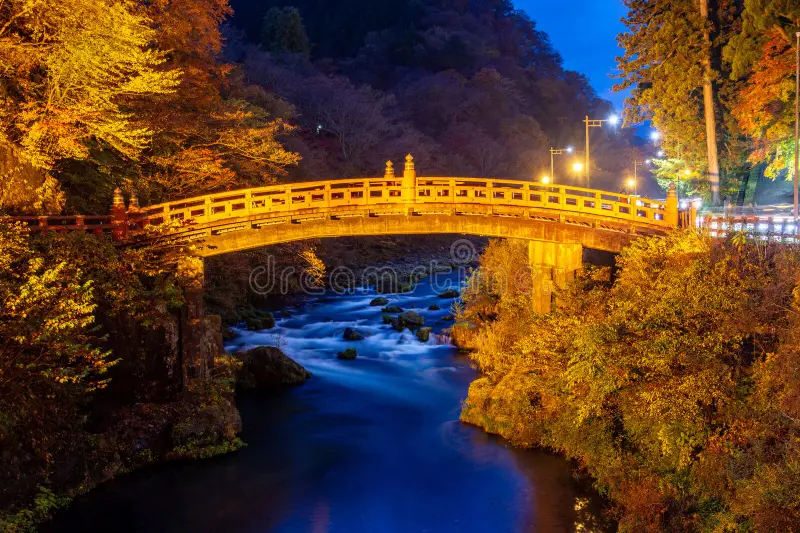
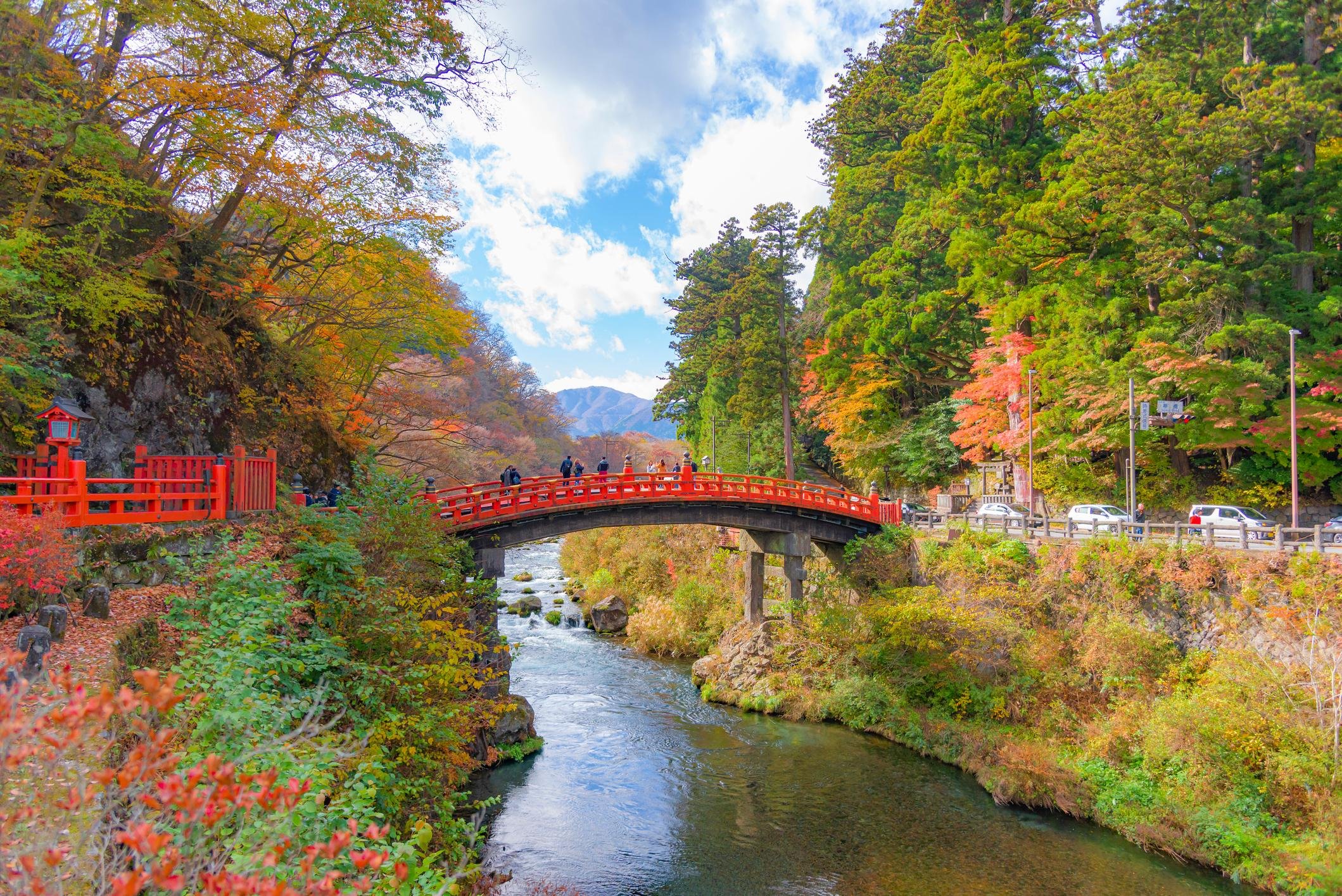
A 28-meter vermilion bridge spanning the Daiya River, ranked among Japan's three finest bridges. Legend holds that two giant serpents transformed into the bridge to help a monk cross the river in 766, and it remained off-limits to the public until 1973.

The experience

What the visit is really like

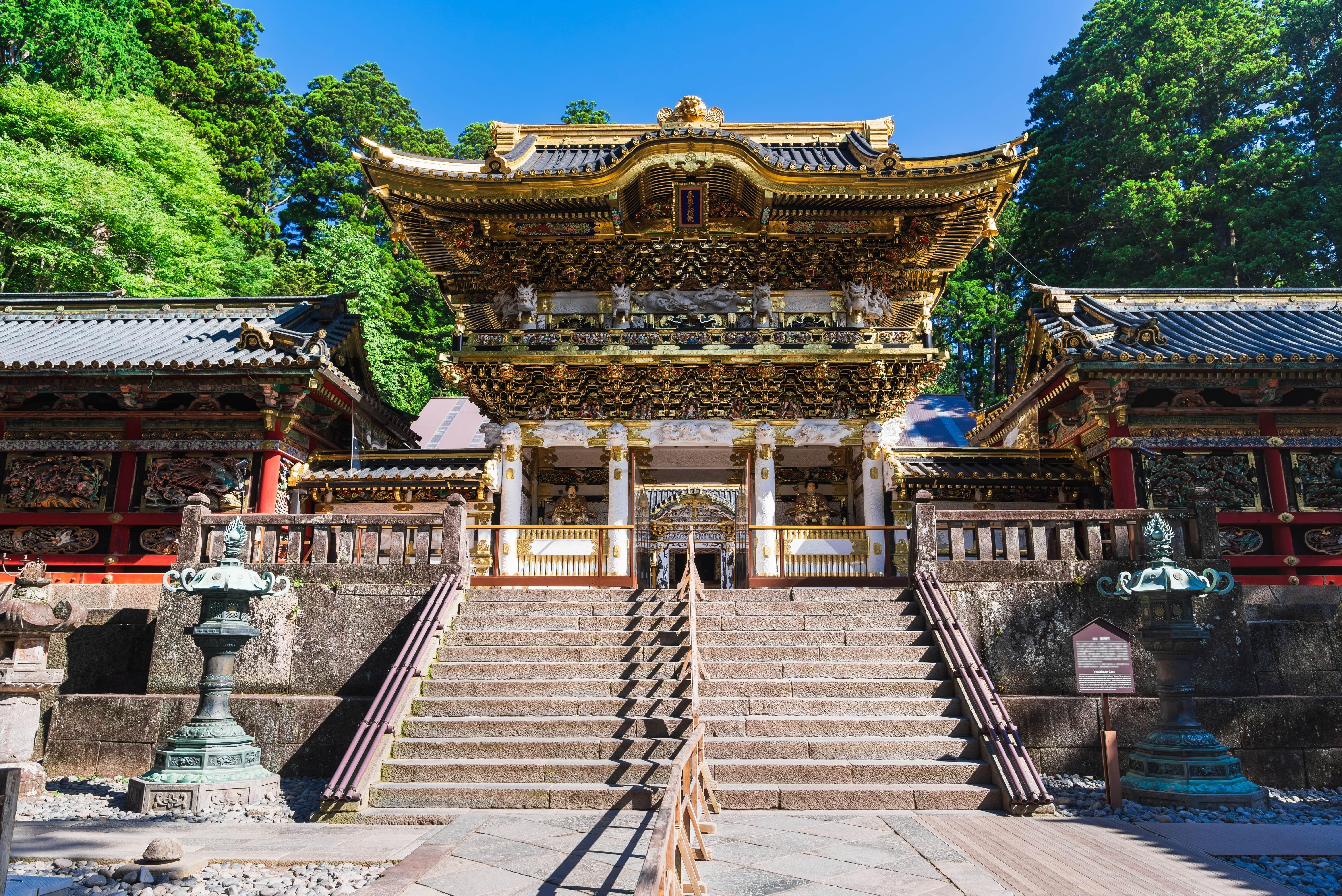
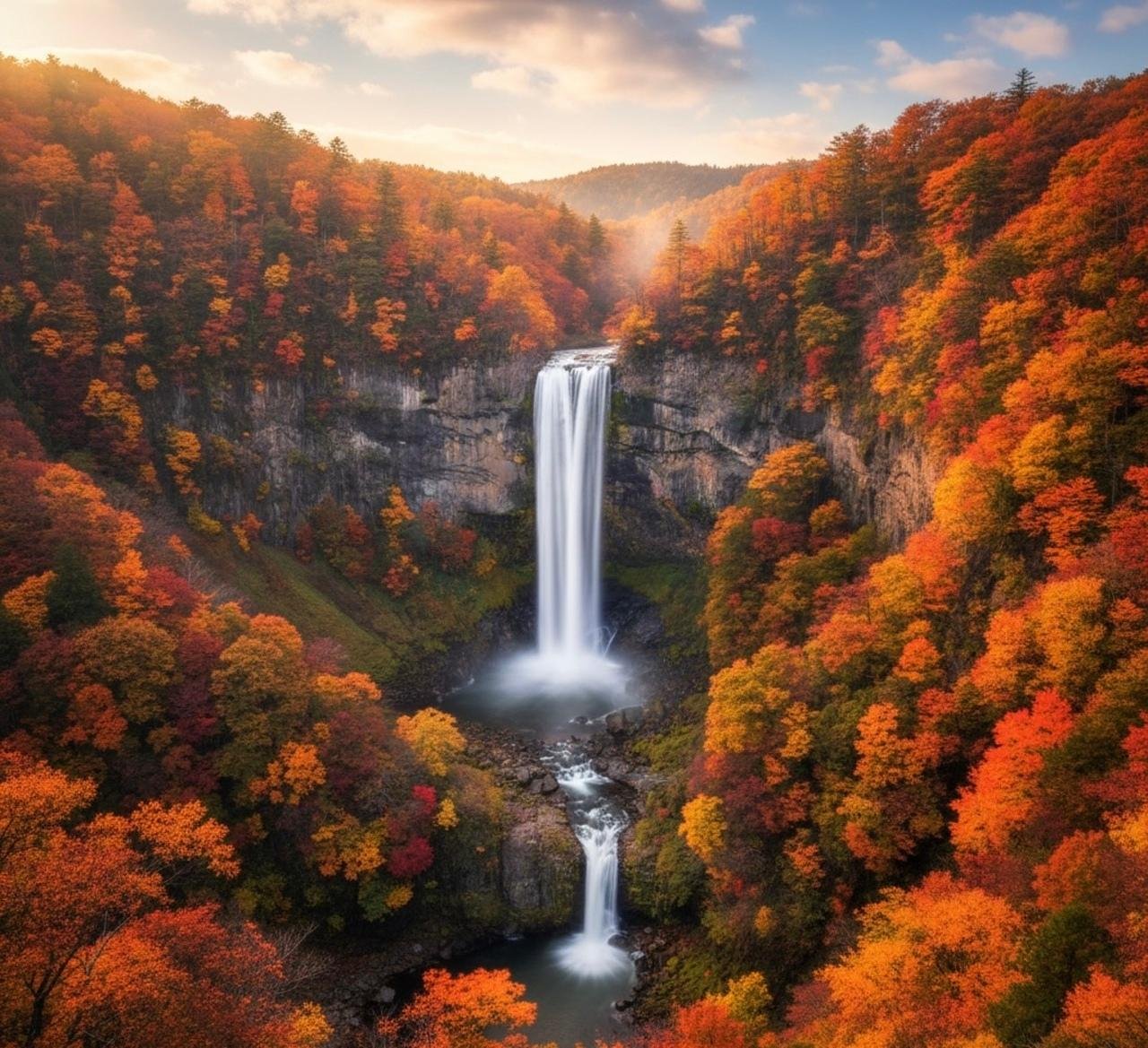
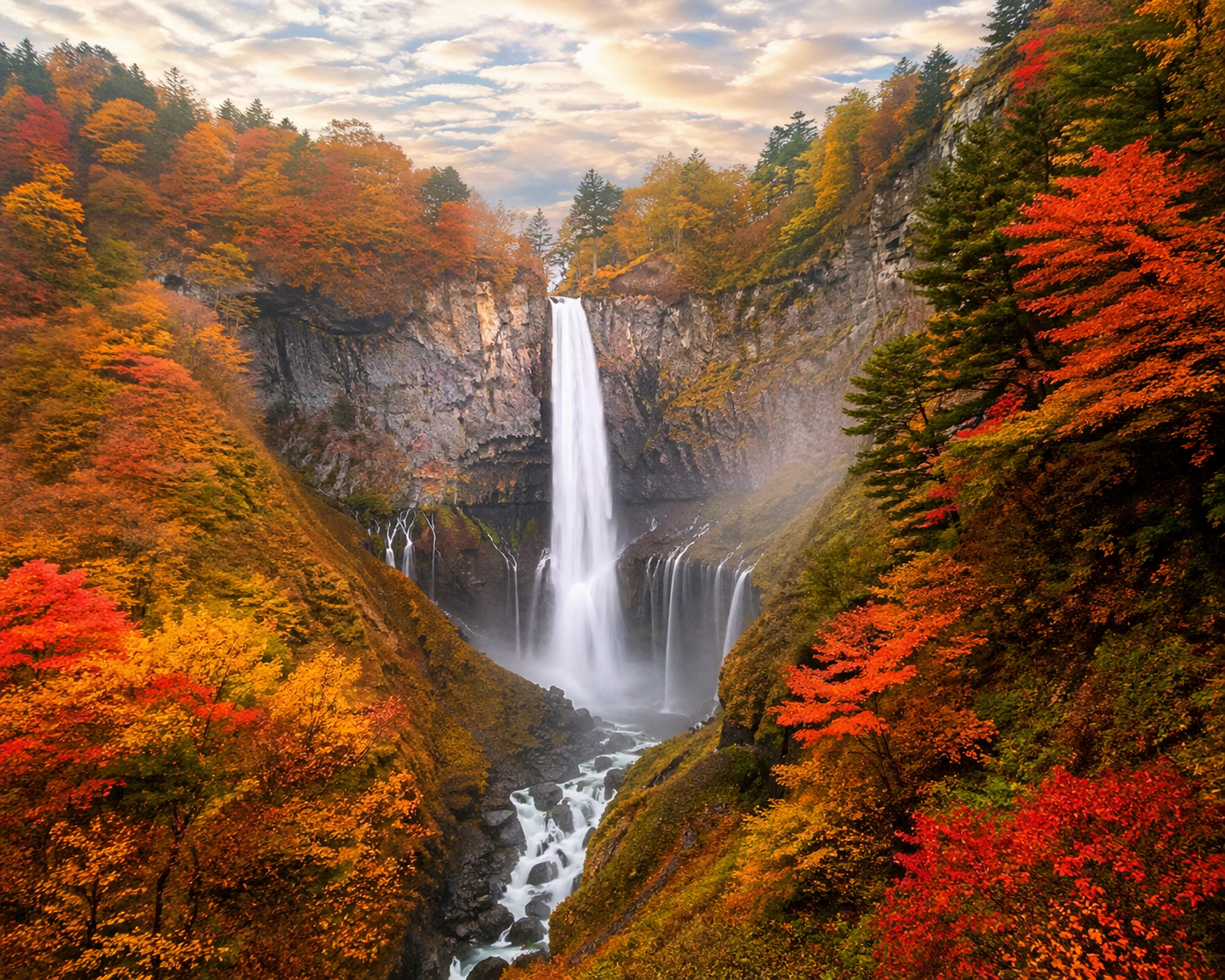
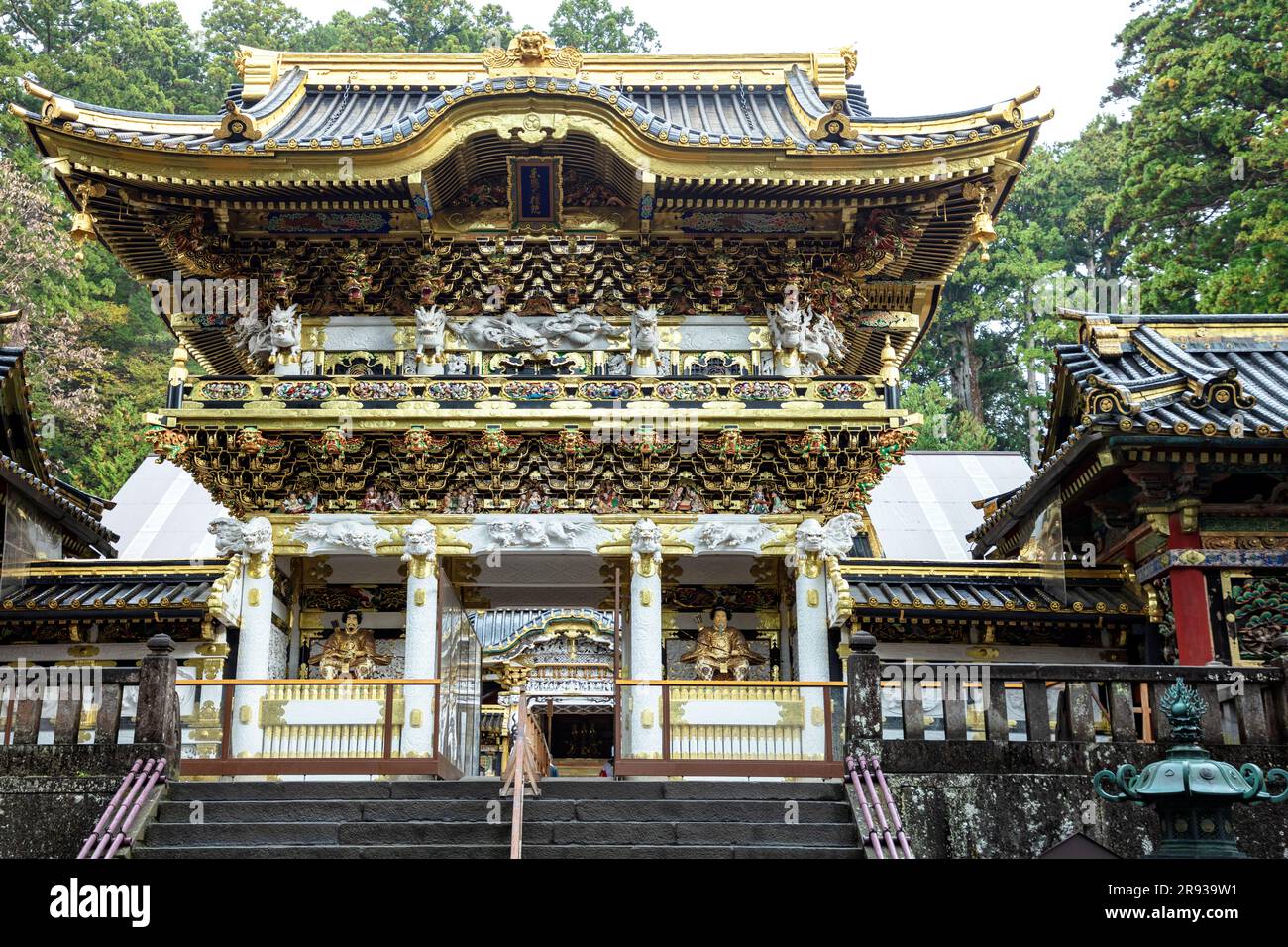
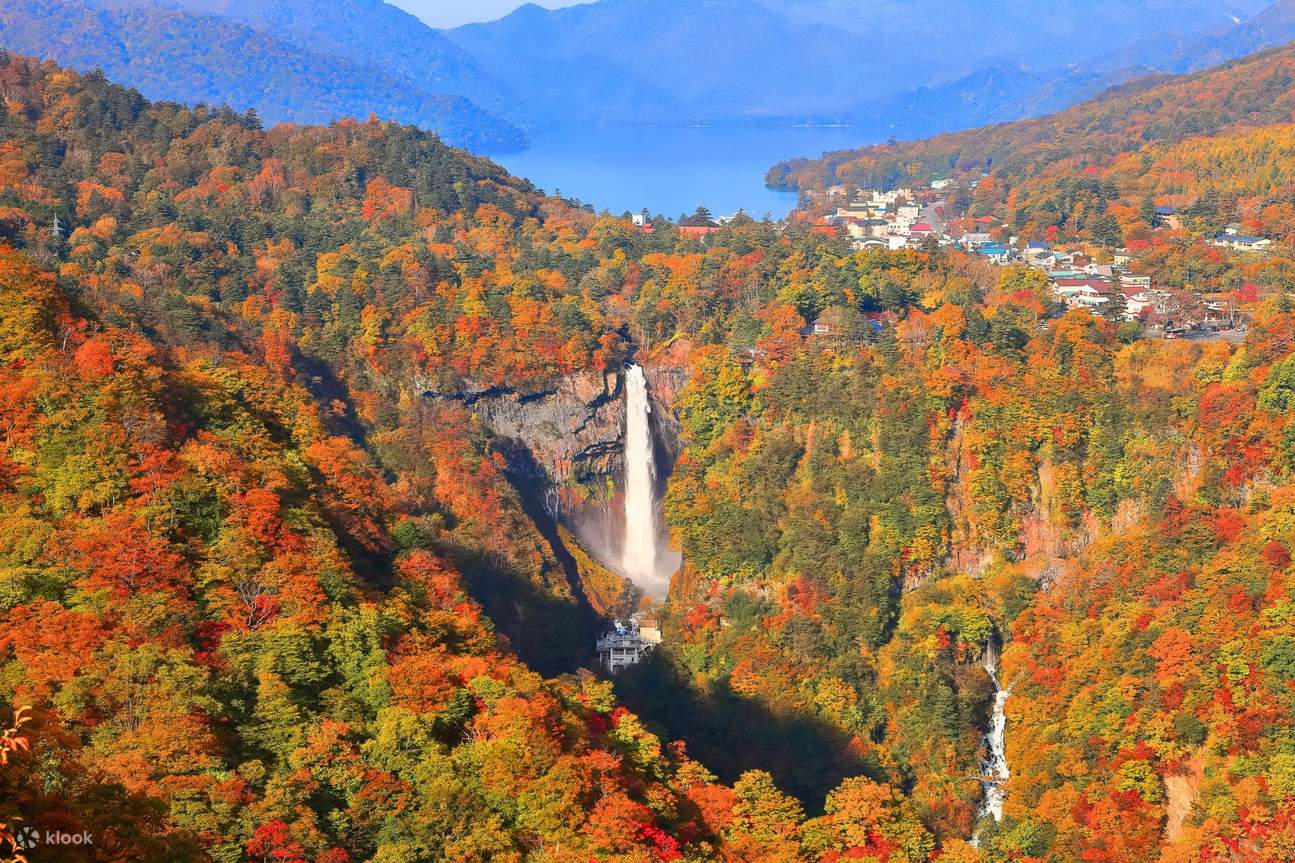
You board an early Tobu train from Asakusa, ideally between 07:00 and 09:00, and watch Tokyo's sprawl give way to rice terraces and rising hills. Two hours later you step out at Nikko, where the mountain air is noticeably cooler and the cedar avenue begins almost at the platform. You activate your nikko pass and swing onto the World Heritage loop bus. It drops you near the Shinkyo, the red-lacquered bridge arching over the Daiya River, and from there you climb the stone approach into the shrine precinct. You pause beneath the Yomeimon gate, tracing the sleeping cat and the three monkeys before the tour groups arrive. Shrine admission is bought separately at the gate, so you have your coins ready. By midday you reboard, riding the Irohazaka switchbacks as the road coils upward. You feel the pressure change on your ears through the hairpins. At the top, Lake Chuzenji opens flat and blue, and you walk the short path to the Kegon Falls observation deck, where spray drifts up 97 metres of granite. Mid-afternoon you drift back down, using the pass one more time. You settle onto the return train as the light lowers over the mountains, the two days of rail and bus travel folded into a single valley you crossed on foot and by bus.

Everything You Need to Know

Your complete experience guide

All the details about your upcoming adventure in one place

Nikko Pass Travel Overview

The nikko pass bundles round-trip Tobu Railway transport from Asakusa with unlimited local bus rides across the Nikko and Kinugawa areas, making it a practical base for reaching Toshogu Shrine and Lake Chuzenji. Many travelers pair nikko pass tickets with a day trip up the Irohazaka switchbacks toward Kegon Falls and the Nikko National Park highlands. It's a straightforward way to string together the region's UNESCO World Heritage sites and hot spring villages without buying separate fares.

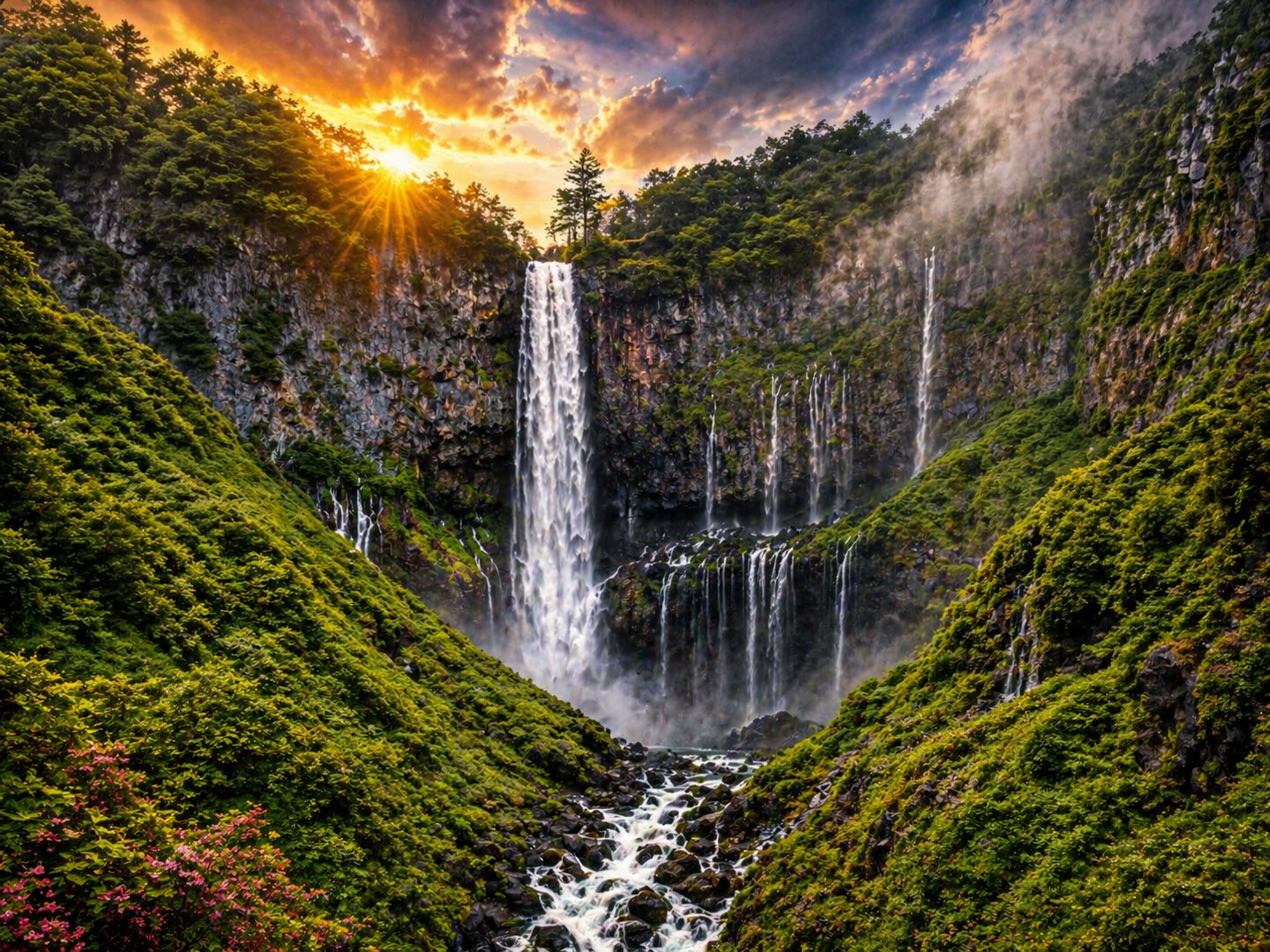
The 37 kilometres of cryptomeria that line the roads into Nikko were planted over two decades in the early seventeenth century, and roughly 12,000 of those cedars still stand — the longest tree-lined avenue on earth. They were a retainer's gift to Tokugawa Ieyasu, the warlord who unified Japan and whose mausoleum, Toshogu, anchors the World Heritage cluster the nikko pass is built to reach. The trees frame the approach still, a green corridor that has funnelled pilgrims, feudal processions and now day-trippers toward the same lacquered gates for four hundred years. Nikko sits in the mountains of Tochigi Prefecture, roughly two hours north of Tokyo by Tobu rail from Asakusa. The name compresses a phrase meaning "sunlight," and the town earned its reputation as a sacred site long before the Tokugawa arrived: the monk Shodo Shonin founded Rinnoji temple here in 766, drawn by the sacred peak of Nantai and the waterfalls that spill from Lake Chuzenji. Shrine, temple and mountain shrine — Toshogu, Rinnoji and Futarasan — were inscribed together by UNESCO in 1999 as the Shrines and Temples of Nikko, a designation covering 103 buildings and their forested setting. Toshogu is the reason most travellers come, and its craftsmanship rewards the attention. The Yomeimon gate carries more than 500 carvings — Chinese sages, dragons, peonies and the famous sleeping cat attributed to the sculptor Hidari Jingoro — worked in such density that visitors once called it the Higurashi-mon, the "gate you can gaze at until dusk." Nearby, the stable panel depicting the three wise monkeys, hear-no-evil among them, has become one of Japan's most reproduced images. Gold leaf, vermilion lacquer and polychrome relief cover surfaces that were meant to overwhelm, an aesthetic deliberately opposed to the restraint of Kyoto's older shrines. Beyond the shrine precinct, the region a nikko pass unlocks stretches into genuine wilderness. The Irohazaka switchback road climbs toward Lake Chuzenji, formed when Mount Nantai erupted and dammed the valley, and Kegon Falls drops 97 metres from the lake's edge in one of the country's most celebrated cascades. Higher still, the Senjogahara marshland and the onsen town of Yumoto extend the heritage core into a national park landscape. This is why nikko world heritage tours pair the shrines with the highlands — the cultural and the geological sit within a single valley. For visitors weighing skip-the-line nikko shrines against a broader loop, the pass frames both: a rail-and-bus network that treats the cedar avenue, the carvings and the waterfalls as one continuous itinerary rather than a scatter of separate landmarks across the sunlit mountains.

They once called Toshogu's gate the Higurashi-mon — the gate you can gaze at until dusk.

Dress code

No formal dress code applies to riding the trains and buses covered by the nikko pass, but comfortable walking shoes are essential since the Toshogu, Rinnoji, and Futarasan precincts involve gravel paths and stone steps. Some inner sanctuaries at Taiyuinbyo require shoe removal, so slip-on footwear speeds up the visit. Layered clothing is recommended, since Nikko sits at higher elevation than Tokyo and can be 5–8°C cooler.

Bags & security

There is no security screening to board Tobu trains or buses on the nikko pass, but large suitcases are awkward on the World Heritage Loop Bus, which has limited luggage space. Coin lockers are available at Tobu Asakusa and Tobu-Nikko stations for stowing bags before continuing on to the shrine area. Shrine buildings themselves may ask visitors to leave large bags at entry points before proceeding into inner halls.

Photography

Photography is permitted outdoors throughout the shrine precincts covered by a Nikko landmarks tour, including at Shinkyo Bridge and the Toshogu gate carvings, but is generally prohibited inside the Honden (Main Hall) and other interior sanctuaries at Toshogu and Taiyuinbyo. Tripods and drones are not allowed within the shrine grounds. Flash photography near painted or gilded surfaces is discouraged to protect the artwork.

Families & strollers

Children under 6 travel free on Tobu trains and buses covered by the pass, with reduced child fares typically applying up to age 11. The shrine grounds involve considerable walking and stairs, so strollers are workable on paved sections near Shinkyo Bridge and Rinnoji but difficult on the Toshogu staircase. The Nemuri Neko (Sleeping Cat) carving and the Bake Jizo statues at Kanmangafuchi Abyss tend to hold children's attention well.

Accessibility

The Tobu limited express and local trains covered under a Nikko landmarks tour are step-free with wheelchair spaces available on request when booking. Within the shrine precincts, however, terrain includes gravel courtyards and a long stone staircase to Toshogu's inner shrine, which is not wheelchair accessible. The World Heritage Loop Bus has priority seating but limited space for large mobility devices, so travelers with wheelchairs should confirm boarding assistance in advance at Tobu-Nikko Station.

Food & drink

Eating and drinking are not permitted inside shrine halls or on the World Heritage Loop Bus, though sealed water bottles are generally tolerated on board. Vending machines are available at Tobu-Nikko and JR Nikko stations for stocking up before entering the shrine precinct. Consuming food within the sacred inner courtyards of Toshogu or Taiyuinbyo is discouraged out of respect for the site.

Not allowed

× Drones × Tripods and monopods inside shrine halls × Flash photography in interior sanctuaries × Food and drink inside shrine buildings × Smoking outside designated areas × Large suitcases on the World Heritage Loop Bus × Open flames or incense of your own × Loud speakers or amplified sound × Bicycles inside shrine precincts × Pets inside shrine buildings × Flying of banners or commercial filming without permit × Littering

What to bring

✓ Comfortable walking shoes ✓ Layered jacket for cooler mountain air ✓ Cash for shrine admission and bus fares ✓ Passport or ID for pass verification ✓ Portable phone charger ✓ Small daypack ✓ Reusable water bottle

Opening hours

Mon 05:00 – 24:00

Trains run frequently; quiet start of week

Tue 05:00 – 24:00
Wed 05:00 – 24:00
Thu 05:00 – 24:00
Fri 05:00 – 24:00

Evening trains busier with weekend travelers

Sat 05:00 – 24:00

Heaviest crowds at shrines on the loop bus

Sun 05:00 – 24:00

Last return trains to Asakusa fill up early

Closures & exceptions

  • ·Every Monday — Akechidaira Ropeway suspended (through Aug 31, 2027)

Getting there

Public transport · 1h 50m (express) to 2h 10m (local) · Covered by the 8,000 JPY pass, excluding limited express surcharge

Board the Tobu limited express or local train from Asakusa Station directly to Tobu-Nikko Station, then transfer to the World Heritage Loop Bus for the shrine precinct.

Cancellation policy

The nikko pass (World Heritage Area Pass) is non-refundable once validated for its 2-day rail and bus window, but unused, unvalidated passes purchased online can typically be cancelled up to 24 hours before the first day of validity for a partial refund through the original booking channel. The 8,000 JPY fee covers only rail and bus transport; shrine admission is a separate purchase and follows the individual shrine's own no-refund policy.

Plan your time

How long do you need?

Recommended time

Full day per shrine visit (spread across your 2-day nikko pass)

Split the two calendar days rather than cramming everything into one: use day one for the Toshogro and Futarasan shrine cluster, starting near the 05:00 opening so you reach the gates inside the 07:00-09:00 arrival window, and save Lake Chuzenji or Kegon Falls for day two once tour buses thin out. Tour groups from Tokyo tend to converge between late morning and early afternoon, so arriving before them means the difference between walking straight in and standing in a long queue. Add 30-45 minutes if you plan to climb to Ieyasu's tomb or linger at the Treasure Museum, and subtract time only if you're skipping the inner shrine areas entirely. A well-paced nikko pass tour rarely feels rushed if the early slots are used for the busiest sites first.

Crowd levels through the day

Early morning (05:00-07:00) Very light
Prime arrival window (07:00-09:00) Light
Mid-morning (09:00-11:00) Building
Midday to early afternoon (11:00-14:00) Heaviest
Mid-afternoon (14:00-16:00) Moderate
Late afternoon to evening (16:00-24:00) Light to quiet
Plan ahead

When to go — year at a glance

Weather · crowds · average price — dots go green to amber to red as each metric rises.

Spring

Late March to May brings mild temperatures around 10–18°C and fresh greenery along the Daiya River, though the Golden Week holidays in late April to early May bring heavy crowds to Toshogu.

Insider tips

Helpful tips for your visit

Buy the pass before boarding

Purchase and validate the nikko pass at TOBU Tourist Information Center Asakusa before your first train, since it cannot be issued once already at Nikko without extra steps.

Where to meet

Meeting points

TOBU Tourist Information Center Asakusa

1-1-4 Hanakawado, Taito-ku, Tokyo 111-0033, Japan

Pass pickup and validation point before departure

Get directions
The story

The history behind the site

The story begins in 1617. That year, the deified remains of Tokugawa Ieyasu, founder of the shogunate, were enshrined at Nikko as the deity Tosho Daigongen. His grandson Iemitsu willed the modest original hall into something far grander. Between 1634 and 1636 the third shogun rebuilt Toshogu on a monumental scale, a project drawing more than 15,000 craftsmen across some seventeen months. The nikko pass tickets sold today grant entry to the descendants of that undertaking. Toshogu holds the carved treasures the complex is known for: the sleeping cat attributed to the sculptor Hidari Jingoro, and the three wise monkeys set above the sacred stable. The gilded Yomeimon gate carries over five hundred carvings. Nearby stand the older Rinnoji temple, traced to the monk Shodo Shonin in 766, and Futarasan Shrine, dedicated to the sacred mountains around the valley. Iemitsu himself was later enshrined at Taiyuin in 1653, deliberately built to face his grandfather. The centuries brought threat as well as reverence. The Meiji separation of Shinto and Buddhism after 1868 forced the Buddhist and Shinto institutions apart, dividing a site long worshipped as one. Restoration campaigns have since preserved the cedar avenues and lacquered halls that a nikko pass tour reaches by rail from Asakusa. In December 1999, UNESCO inscribed the Shrines and Temples of Nikko as a World Heritage Site, listing 103 buildings across the three institutions. That recognition anchors the nikko pass tours marketed to travellers exploring these Nikko landmarks. Visitors on a Nikko sightseeing route walk beneath the same cryptomeria the daimyo planted in the seventeenth century. What survives is a rare survival of Edo-period sacred architecture, its cedar-lined approaches, and its carved cosmology, held together across four hundred years of upheaval and repair.

766

The monk Shodo Shonin founds Rinnoji temple in the Nikko valley.

1617

Tokugawa Ieyasu is enshrined at Nikko as the deity Tosho Daigongen.

1634–36

Shogun Iemitsu rebuilds Toshogu on a monumental scale with thousands of craftsmen.

1653

Iemitsu is enshrined at Taiyuin, facing his grandfather's mausoleum.

1868

Meiji-era separation of Shinto and Buddhism splits the unified sacred site.

1999

UNESCO inscribes 103 buildings as the Shrines and Temples of Nikko.

Gallery

Moments from the experience

Food & drink

Where to eat nearby

Nikko has no dining inside the shrine precincts, but visitors using a nikko pass will pass right through a strip of eateries between Tobu-Nikko Station and the Shinkyo Bridge approach, so there's no need to bring food along.

Azuma

¥¥

Yuba specialty, steps from station

Just across from Tobu Nikko Station on the second floor above a souvenir shop, known for karaage yuba and a yuba sampler plate. Handy for a quick meal right off the train, though seating is limited during midday rushes.

Nikko Yubamaki Zen

¥¥¥

Bistro — 20 min walk or short bus ride

Near Shinkyo Bridge in a renovated traditional house, serving Tochigi wagyu wrapped in yuba. Good for a sit-down lunch after the bridge, but reservations help since it's compact.

Fudaraku Honpo Ishiyamachiten

¥

Street food / sweets stall

On the row of shops leading toward Toshogu Shrine, famous for yuba musubi rice balls at 450 yen. Best for a fast bite while walking the shrine approach.

Hongu Cafe

¥¥

Café, 20-25 min walk

Along the path toward Futarasan Shrine's Hongu area, with Wi-Fi and an English menu. Suits a relaxed coffee break away from the busiest crowds.

Nagomi cha-ya

¥¥

Casual yuba restaurant

About 10 minutes from Tobu Nikko Station, offering yuba and non-yuba set menus with picture-friendly menus for visitors. A comfortable option for first-time yuba tasters.

Customer Reviews

What travelers say

Real experiences from real travelers

4.7
Based on undefined reviews
1 ★ 180
2 ★ 210
3 ★ 640
4 ★ 2700
5 ★ 12400
M
Marcus T.
Germany · 2026-06-18

Bridges buses and shrines

The nikko pass covered our Tobu train from Asakusa plus the local buses up to Lake Chuzenji, which saved us fumbling for coins at every stop. Early June the mountains were still misty in the morning and the Shinkyo Bridge glowed red against the water. Having one card for the whole area let us wander without a fixed plan.

A
Aiko S.
Japan · 2026-05-02

日光の周遊がスムーズ

The Nikko all area pass made hopping between Toshogu and the Kegon Falls buses effortless. We rode up the Irohazaka switchbacks with the pass and never worried about fares. The cedar-lined avenue near the shrines smelled wonderful after light rain.

P
Priya N.
India · 2026-04-11

Good for the wider area

We used our nikko pass tickets mostly for the buses to Chuzenji and Yumoto, and the coverage stretched further than expected. One tip: the free-area boundary matters, so check which zone your pass covers before boarding the mountain routes. Cool spring air made the walk to Kegon Falls pleasant.

D
Daniel K.
United States · 2026-07-09

Easy skip-the-line Nikko day

Midsummer heat down in Tokyo vanished the moment we reached the highlands. Our Nikko sightseeing tour ran on the pass from the Tobu line straight to the shrine bus loop with no separate tickets. Standing under the towering cedars near Toshogu felt cool even at noon.

S
Sofia M.
Spain · 2026-03-27

Worth it for the buses

The buses up to Lake Chuzenji come often, and the nikko pass tours we pieced together ourselves felt seamless because every ride was already paid. Late March still had snow patches near Yumoto onsen. The Daiya River rushing beside the road was a nice constant companion.

L
Liam O.
Ireland · 2026-02-14

Winter Nikko was quiet

Visited in deep winter and the Nikko landmarks were nearly empty, frost on the shrine rooftops at dawn. The pass got us on the Tobu train and every bus we needed toward Kegon Falls without a hitch. Snow muffled the whole cedar avenue and it felt otherworldly.

C
Chen W.
Singapore · 2025-11-30

Autumn colours peak

Late November the Irohazaka road was a tunnel of red and orange maples. We relied on the nikko pass tour buses to reach the higher viewpoints since driving looked stressful with the crowds. The gilded gate at Toshogu caught the low autumn sun beautifully.

E
Emma L.
Australia · 2025-09-15

Highlands escape

The nikko pass let us reach Lake Chuzenji and the Ryuzu Falls without renting a car, which suited us fine. September mornings were crisp up in the mountains while the shrines below stayed warm. The vermilion Shinkyo Bridge is the photo everyone wants and it lived up to it.

H
Hiroshi Y.
Japan · 2026-01-22

冬の日光パス

We bought the pass in Asakusa and rode straight up. The Nikko day trip coverage across trains and buses made the cold-weather logistics simple, and steam from the Yumoto onsen streams drifted over the road. The carvings at Toshogu are worth the slow walk.

G
Gabriel S.
Brazil · 2025-12-08

Handy but plan zones

Our nikko pass tickets worked well for the shrine area and the Chuzenji buses, though we misread the coverage line once and paid a small extra fare. Early December had bright cold skies and the Kegon Falls thundered with winter runoff. Bring layers because the highlands run far colder than Tokyo.

FAQ

Frequently asked questions

Everything you need to know for your journey

Around the corner

Nearby landmarks worth a detour

Shinkyo Bridge

5 min walk from Tobu-Nikko bus stop

landmark

A 28-meter vermilion bridge over the Daiya River marking the entrance to the shrine precinct. It has been rebuilt several times since 1636 and only opened to the general public in 1973.

Where to stay

Where to stay nearby

Nikko Kanaya Hotel

10 min walk from Shinkyo Bridge

luxury

Japan's oldest resort hotel, opened in 1873, set on a hillside overlooking the Daiya River near the shrine precinct.

Ready for Adventure?

Join thousands of happy travelers who have discovered this incredible experience

Book Your Experience Now